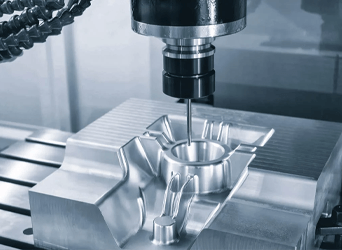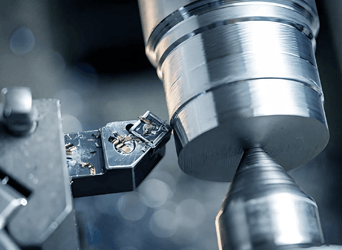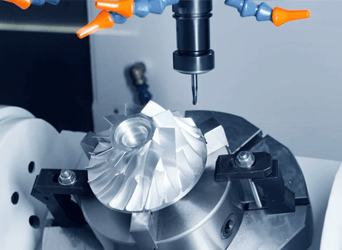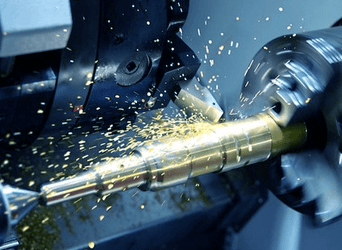
Precise film powder coating for automotive CNC parts. Built to enhance durability, corrosion resistance, and production-ready surface quality.
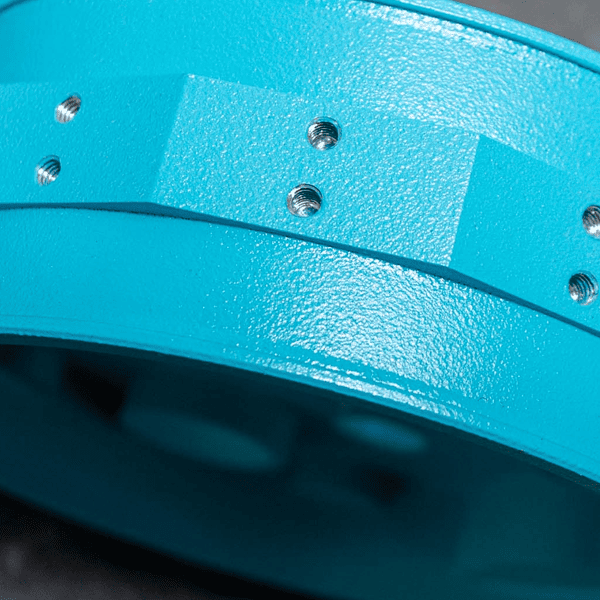
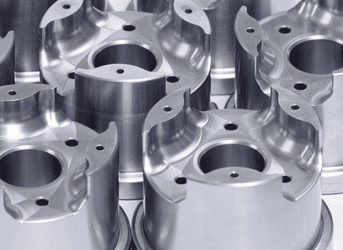
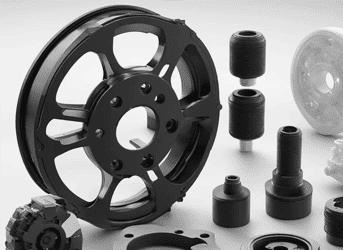
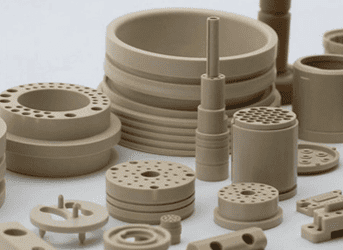
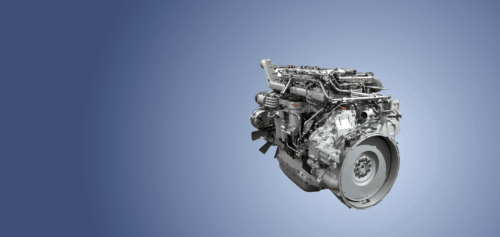
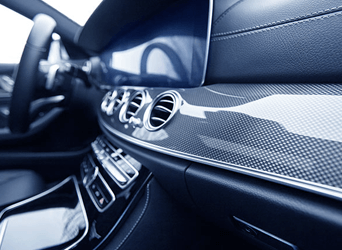
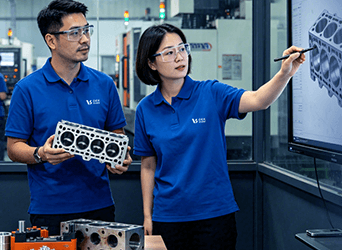
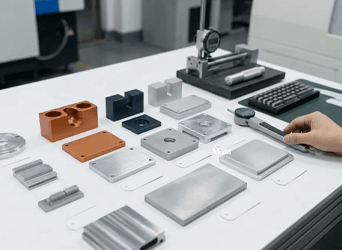
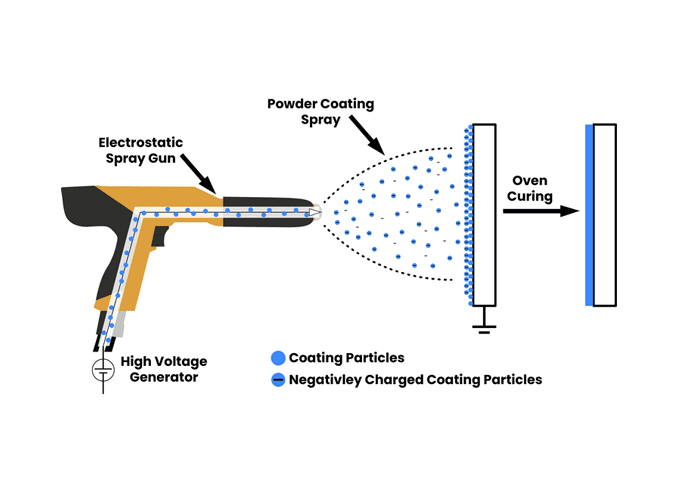
DEK Automotive delivers powder coating on CNC-machined components, including suspension brackets and engine covers. Our controlled electrostatic application and pretreatment process produces a uniform, durable film that meets the surface and dimensional standards automotive engineers specify.
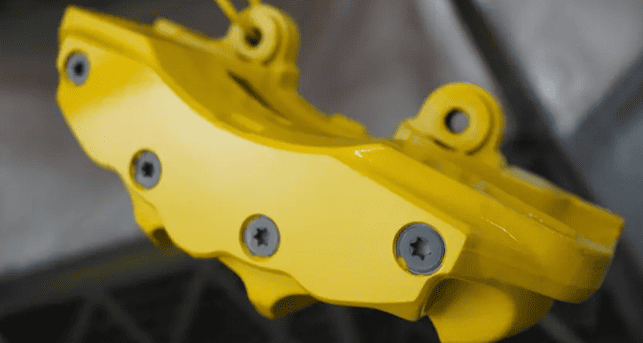
Powder coating adds 60–120 μm of material to every exposed surface, including bores, clearance holes, and mating faces that govern assembly fit.
Engineers must account for this dimensional gain before machining is finalized. Holes accepting precision fasteners or press-fit bearings need pre-adjusted diameters, and any feature tighter than ±0.05 mm demands a masking call on the drawing.
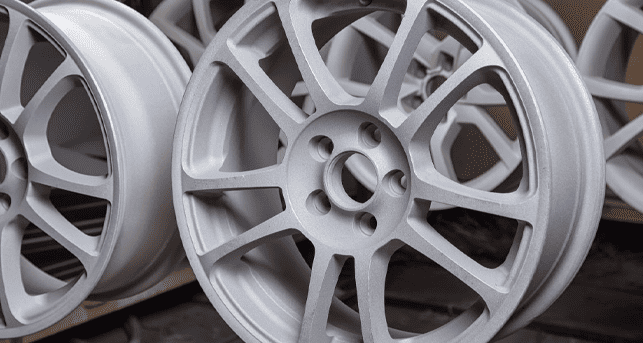
Functional surfaces such as threaded bores, caliper piston seats, and bearing registers cannot accept coating without compromising the dimensional relationships that govern part performance.
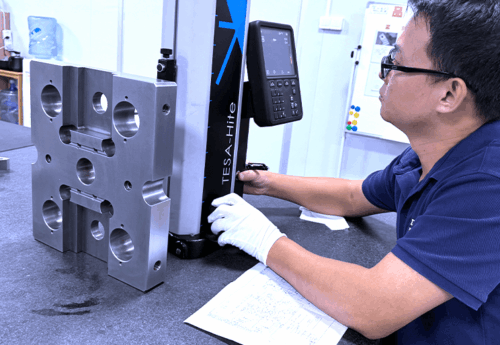
Standard adhesive tape fails at curing temperatures of 160–200°C, so masking demands high-temperature silicone plugs and boundary tape confirmed against the engineering print using calipers. When masking is defined during design, the coating lands exactly where the drawing intends, and post-coat re-tapping is eliminated.
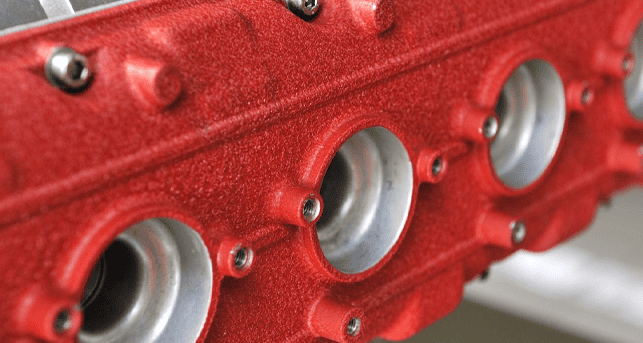
Adhesion quality and long-term corrosion resistance both depend on the chemical preparation applied to the metal before the powder ever contacts the surface.
Steel parts receive alkaline cleaning followed by iron or zinc phosphate conversion, building a reactive crystalline layer that the powder film bonds into. Aluminum requires chromate or zirconate conversion instead, because the natural oxide layer aluminum forms must be chemically conditioned before coating.

Cured powder films absorb mechanical impact and road vibration without chipping or separating from the substrate.

Polyester powder chemistries retain color and gloss under sustained UV exposure, preventing fade on exterior components.

Coated surfaces resist prolonged contact with road salts, brake fluids, and engine degreasers without blistering.

Electrostatic overspray is captured and reused, reducing waste and keeping per-part coating costs stable at volume.
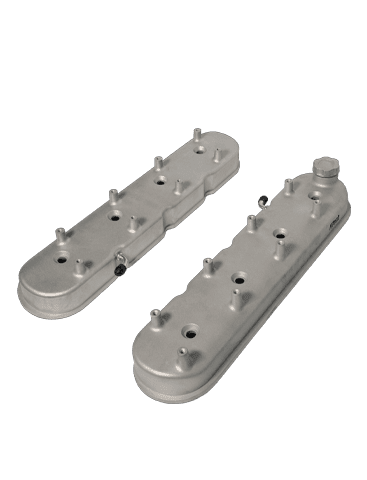
Process
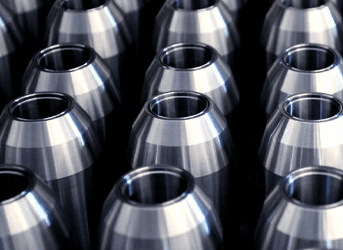
Multi-Axis CNC MillingMaterial
Aluminum 6061-T6Technical
Shatterproof protective casing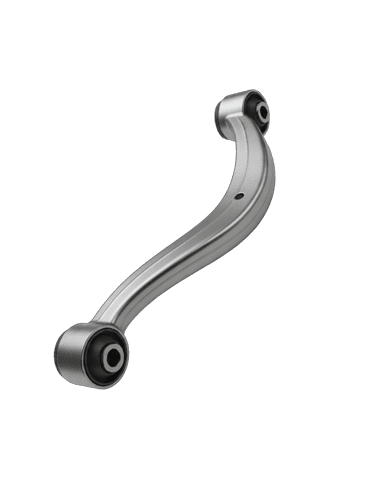
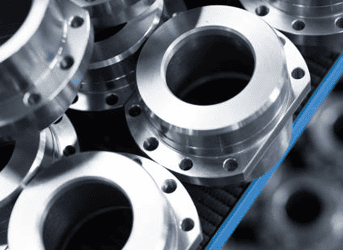
Process
Precision Die ForgingMaterial
Forged steel 1045Technical
Heavy-impact suspension link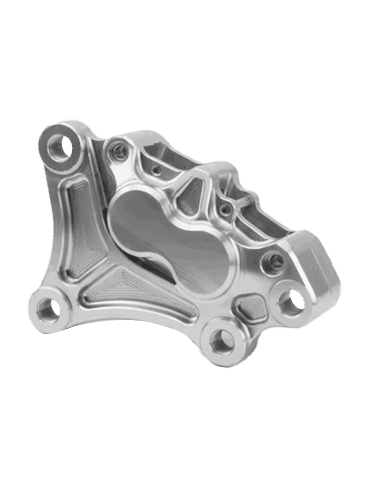
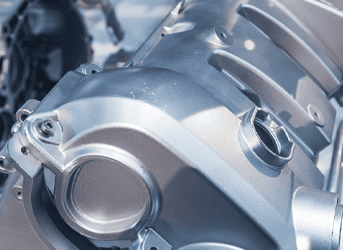
Process
High-Pressure Die CastingMaterial
Cast magnesium AZ91DTechnical
Heat-resistant valve shield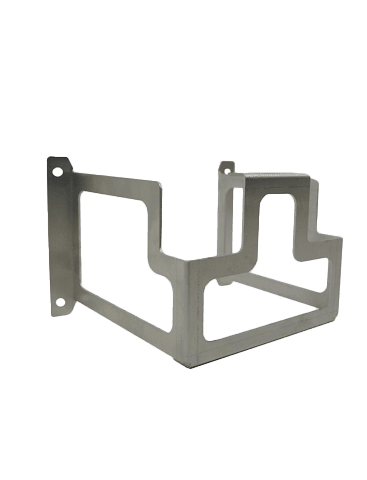
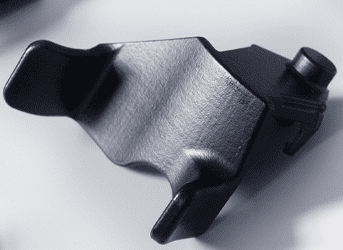
Process
Progressive Die StampingMaterial
Structural steel 1018Technical
Dielectric breakdown insulation ≥ 10kVProcess
Multi-Axis CNC MillingMaterial
Aluminum 6061-T6Technical
Shatterproof protective casingProcess
Precision Die ForgingMaterial
Forged steel 1045Technical
Heavy-impact suspension linkProcess
High-Pressure Die CastingMaterial
Cast magnesium AZ91DTechnical
Heat-resistant valve shieldProcess
Progressive Die StampingMaterial
Structural steel 1018Technical
Dielectric breakdown insulation ≥ 10kV
We integrate advanced machining, specialized materials, and surface finishing to deliver mission-critical parts that meet every rigorous automotive standard.
Fill out the form below and our team will get back to you promptly with a personalized quote tailored to your needs.