Automotive-Grade Material Solutions

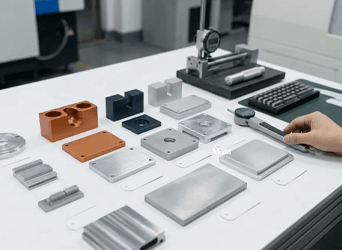
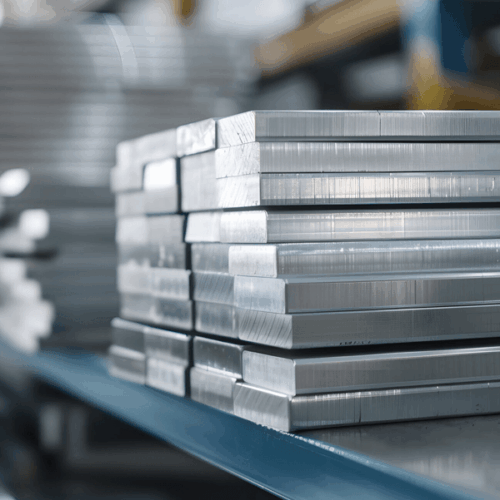
Precision machining high-performance alloys and polymers, including aluminum, stainless steel, peek, and carbon fiber, to rigorous automotive specifications.
Talk with Experts
introduction

Technical Automotive Material Machining Capabilities

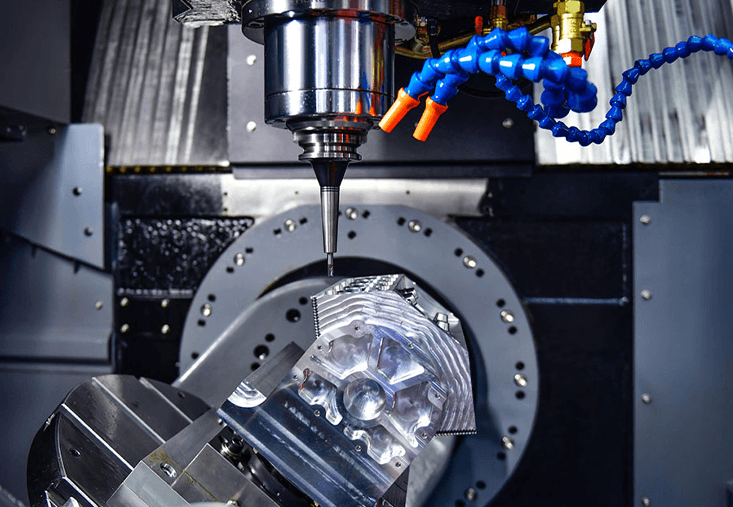
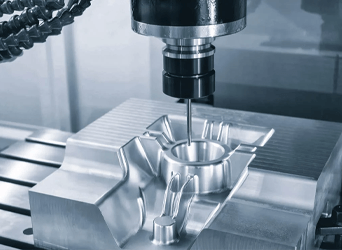
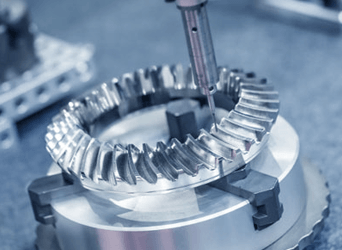
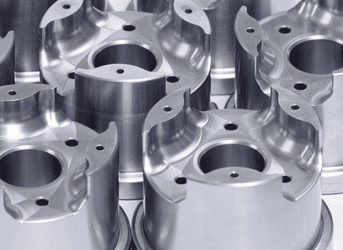
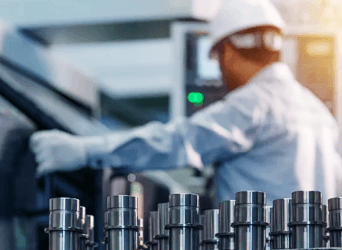
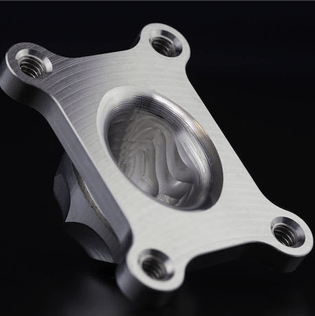
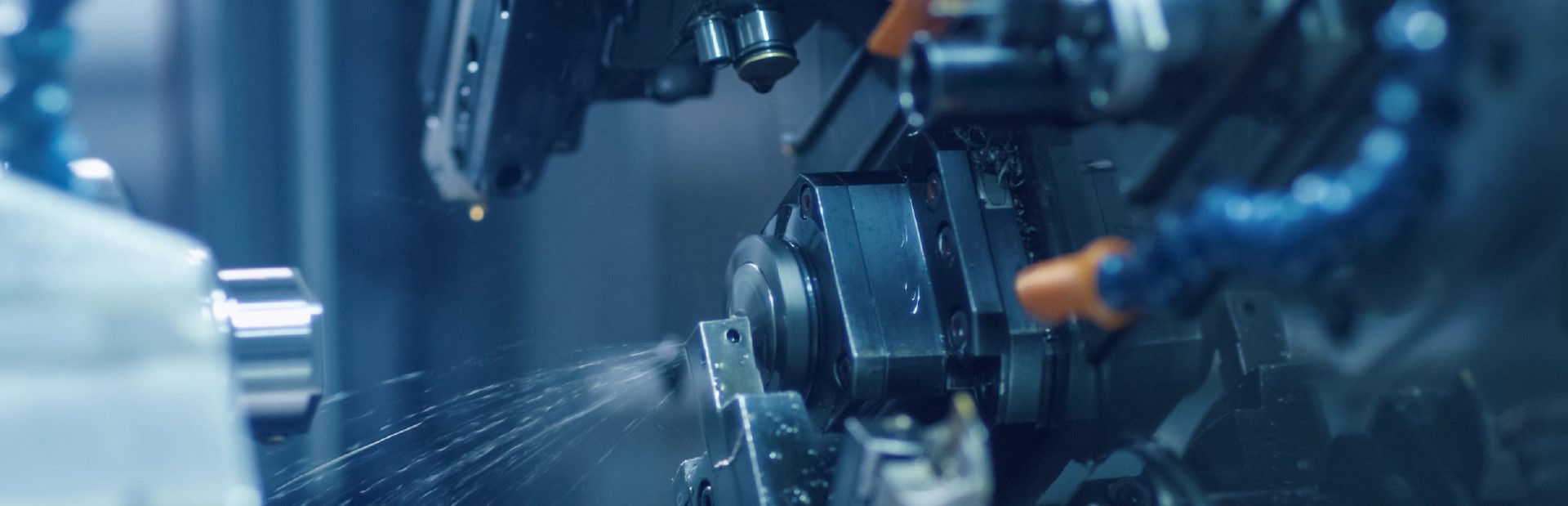
DEK Automotive specializes in precision machining of challenging materials, from high-strength alloys to technical polymers. Our facility is engineered to handle complex geometries in tough-to-machine metals like titanium and stainless steel, ensuring structural integrity for critical automotive systems.

We provide optimized tooling strategies for every material grade, bridging the gap between raw feedstock and high-precision functional components required for next-generation vehicle platforms.
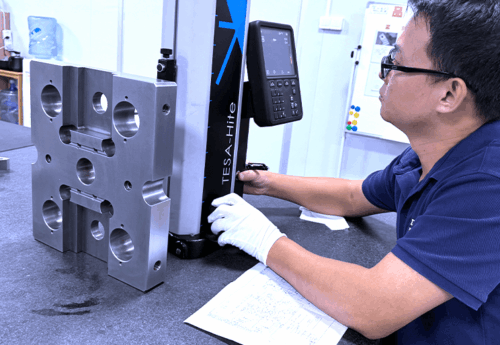
  • Ultra-Precision Tolerances Within ±0.005mm
  • Exceptional Surface Finishes Down to Ra 0.4
  • Expertise in High-Nickel and Titanium Alloys
  • Full Material Traceability and MTR Documentation
Advantages

Material Excellence Standards

  • Verified Authenticity

    Providing comprehensive MTR documentation to verify the chemical composition and physical properties of all alloys.

  • Absolute Traceability

    Implementing batch-coded tracking systems to ensure full material history from raw feedstock to finished components.

  • Thermal Strategy

    Coordinating specialized heat treatments to optimize material hardness, stress relief, and long-term structural stability.

  • Performance Testing

    Conducting rigorous metallurgical validation to ensure materials withstand demanding automotive environments and mechanical stresses.
Automotive Materials

Types of Materials for Automotive

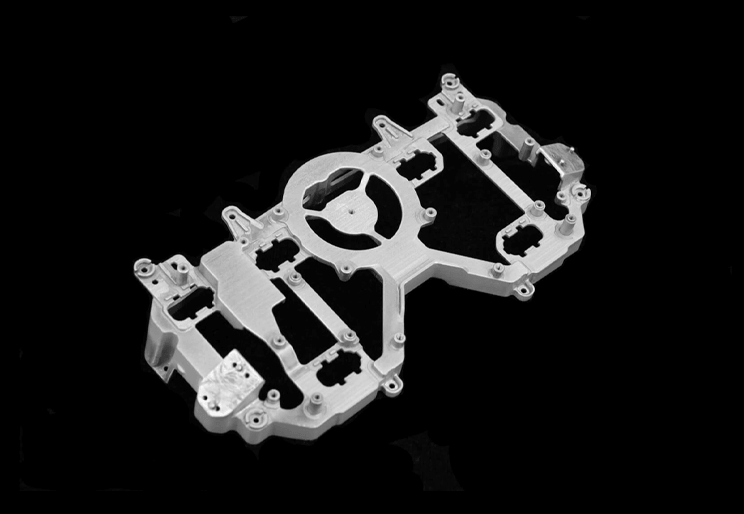
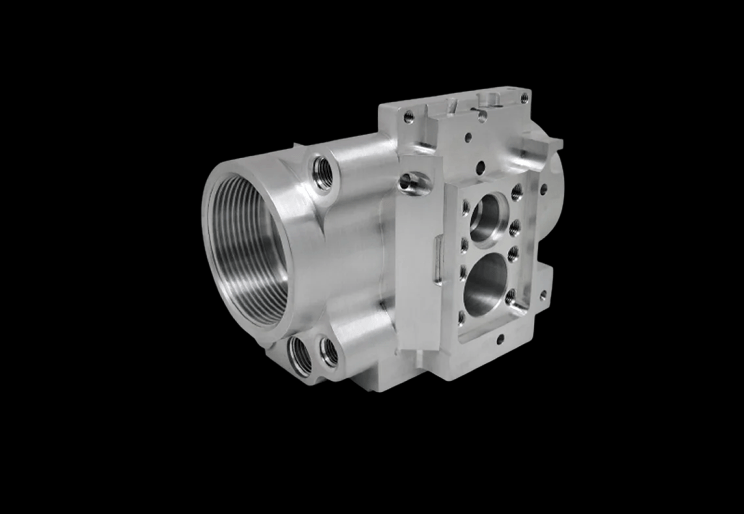
  • Aluminum Alloys
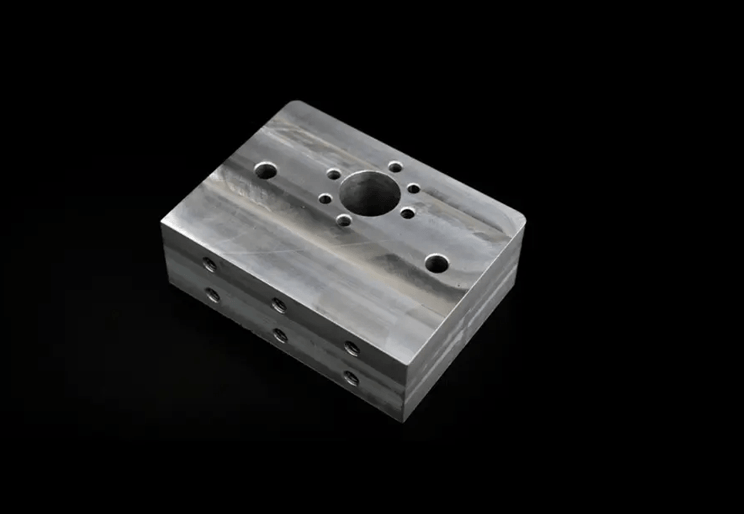
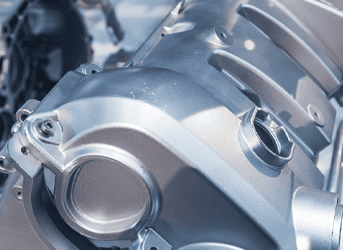
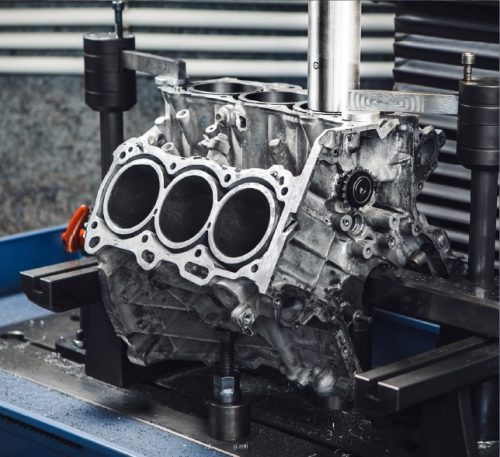
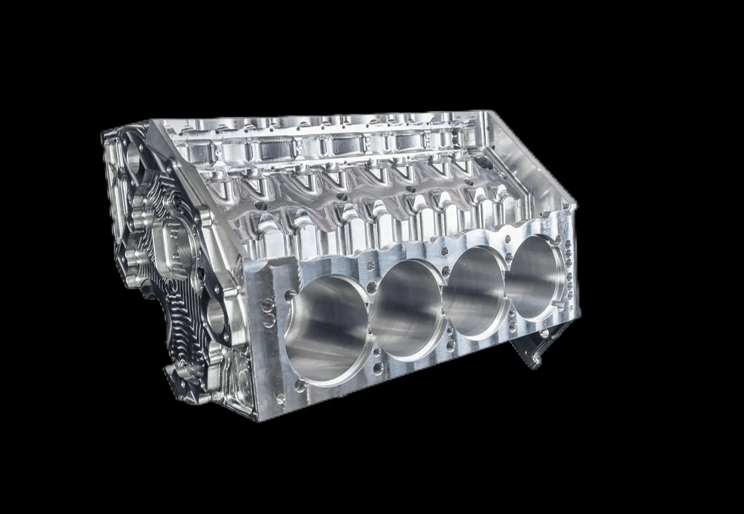
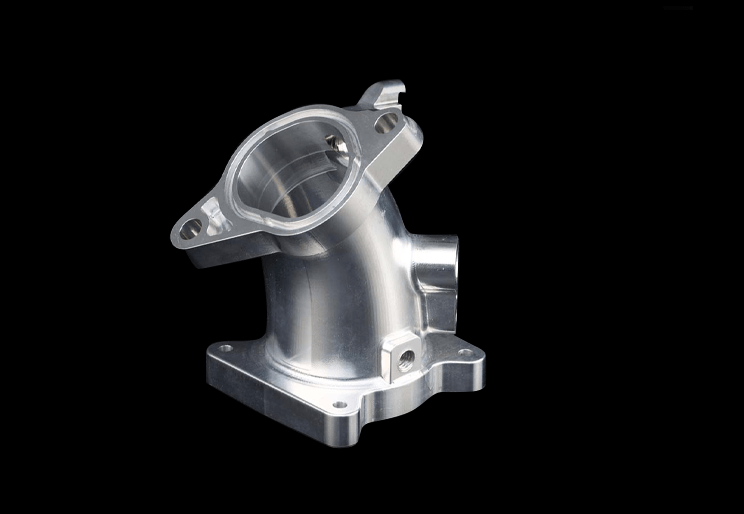
    Offering exceptional strength-to-weight ratios and thermal conductivity, aluminum is essential for engine blocks, chassis components, and lightweight electric vehicle battery enclosures. The automotive grade page is aluminum automotive components.
    Get a Quote
  • Stainless Steel
    Renowned for superior corrosion resistance and high-temperature stability, stainless steel is the standard for exhaust manifolds, fuel systems, and critical structural hardware.
    Get a Quote
  • Alloy Steel
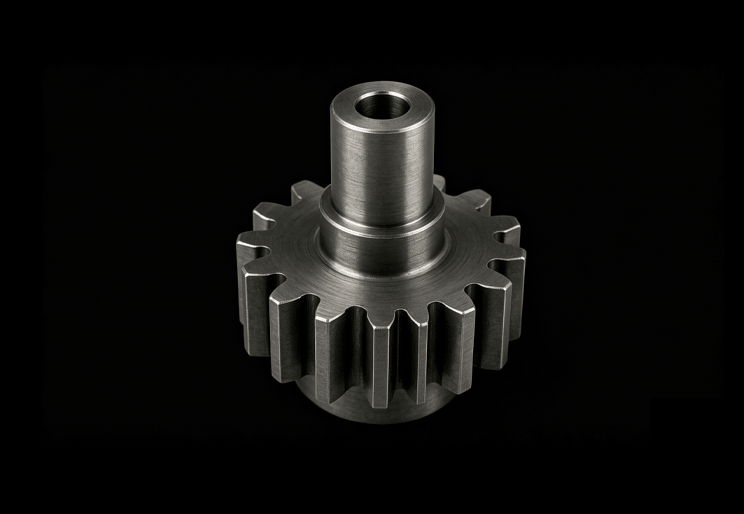
    Providing maximum fatigue resistance and hardness through heat treatment, alloy steel is crucial for high-stress drivetrain components, gears, and heavy-duty suspension parts.
    Get a Quote
  • Carbon Steel
    Offering excellent machinability and cost-efficiency, carbon steel is widely utilized for brackets, fasteners, and internal automotive components where high-strength welding is required.
    Get a Quote
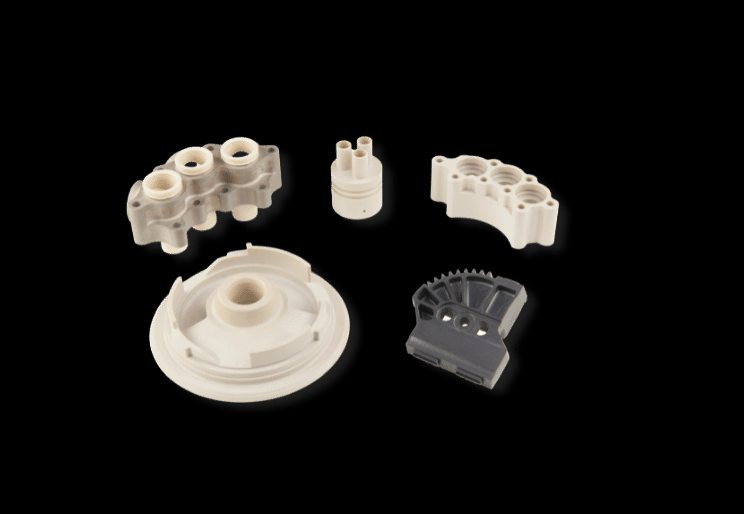
  • PEEK
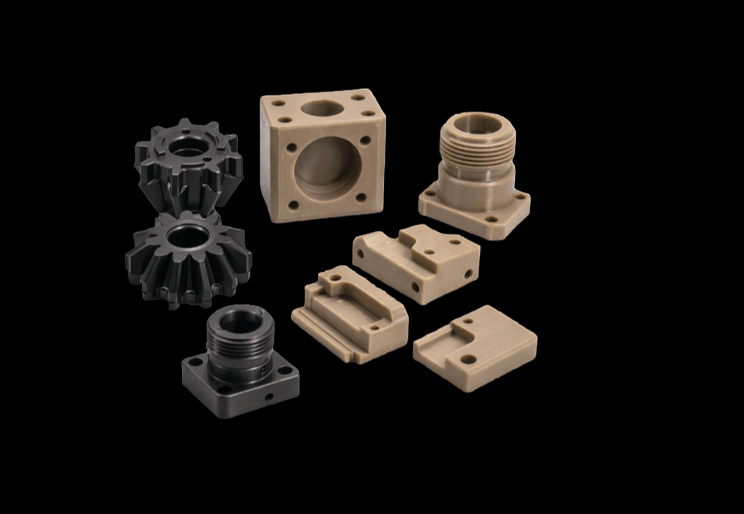
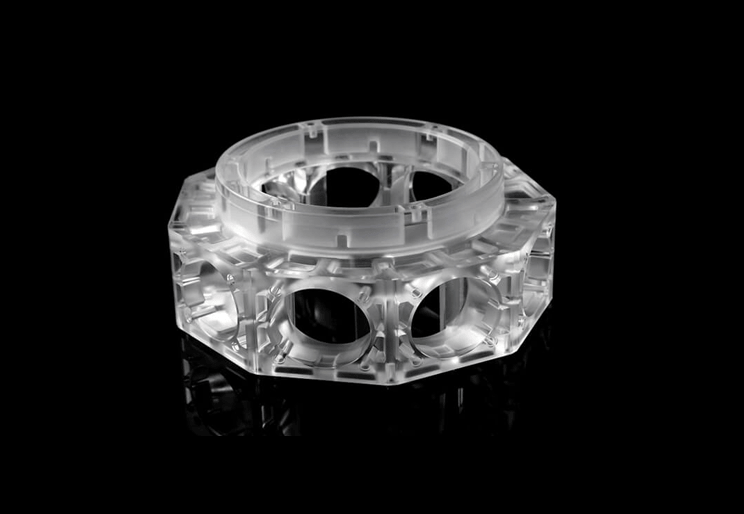
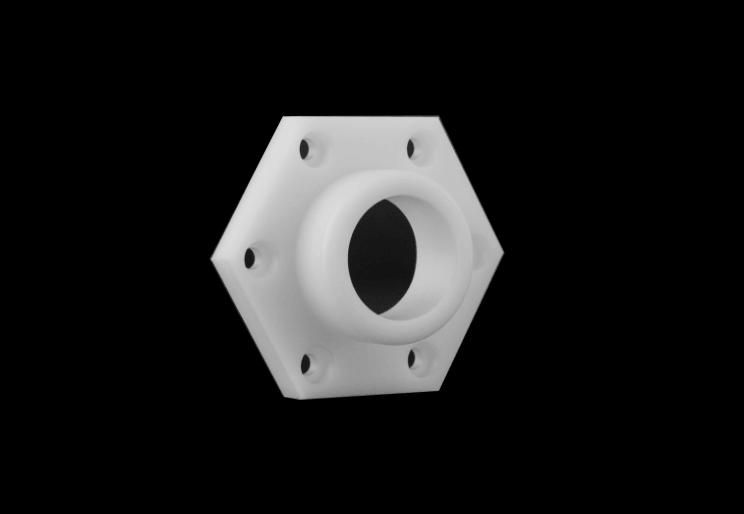
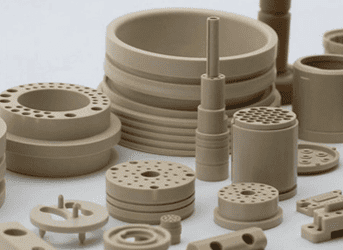
    As a high-performance thermoplastic, peek replaces metal in specific automotive environments requiring chemical resistance, low friction, and continuous operation at elevated temperatures.
    Get a Quote
  • Magnesium Alloys
    As the lightest structural metal, magnesium provides significant weight reduction for steering wheels, seat frames, and electronic housings without compromising mechanical rigidity.
    Get a Quote
  • Nylon
    Providing superior wear resistance and vibration damping, nylon is ideal for engine covers, bushings, and various under-the-hood components exposed to thermal stress.
    Get a Quote
  • Delrin
    Known for high dimensional stability and low friction, delrin is the preferred engineering plastic for fuel system valves, gears, and precision interior mechanisms.
    Get a Quote
  • Titanium Alloys
    Delivering extreme durability and heat resistance for motorsport and high-performance racing, titanium optimizes structural integrity while minimizing mass in critical engine valves.
    Get a Quote
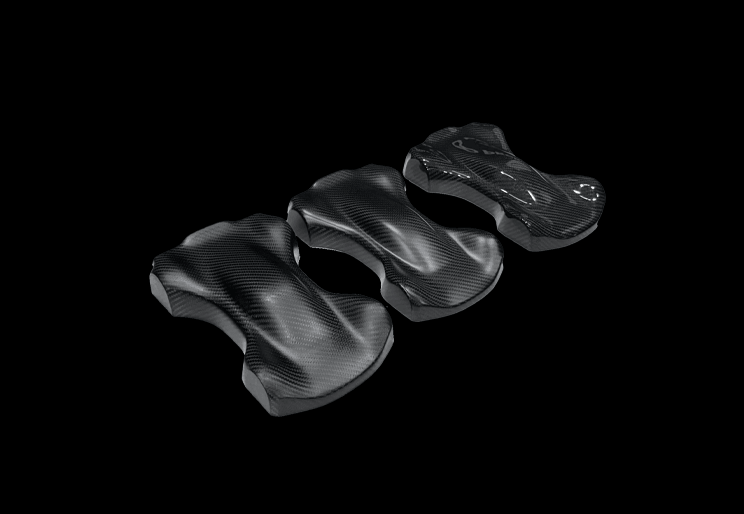
  • Carbon Fiber
    This advanced composite delivers extreme stiffness and minimal weight, serving as the premium choice for motorsport aerodynamic kits and high-end structural reinforcements.
    Get a Quote
  • PC
    Offering exceptional impact resistance and optical clarity, pc is primarily utilized for automotive lighting lenses, instrument panels, and high-strength transparent structural covers.
    Get a Quote
  • ABS
    Known for its superior toughness and ease of secondary finishing, abs is the industrial standard for interior trim components, dashboard assemblies, and functional housings.
    Get a Quote
  • Aluminum Alloys
  • Stainless Steel
  • Alloy Steel
  • Carbon Steel
  • PEEK
  • Magnesium Alloys
  • Nylon
  • Delrin
  • Titanium Alloys
  • Carbon Fiber
  • PC
  • ABS


Applications

  • Powertrain Applications

    Utilizing high-temperature aluminum and stainless steel to ensure optimal thermal efficiency and mechanical durability in engine systems.

  • Transmission Applications

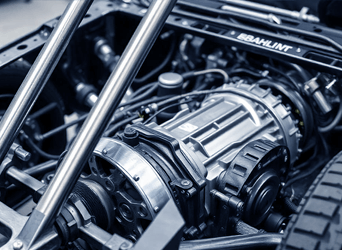
    Precision-machined alloy steel and carbon steel components designed for high fatigue resistance and seamless power transfer in drivetrains.

  • Chassis & Suspension

    Optimizing magnesium and high-strength aluminum alloys for extreme load-bearing capacity while supporting vehicle lightweighting and safety.

  • Electronic System

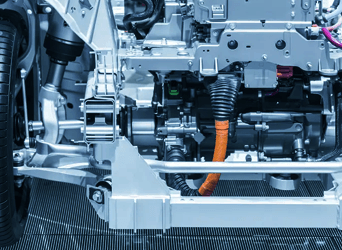
    Integrating aluminum heat sinks and peek housings to ensure electromagnetic compatibility and thermal protection for sensitive sensors.

  • Interior & Functional

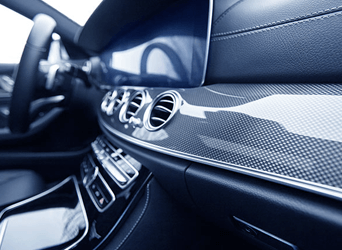
    Applying technical abs, pc, and nylon to provide superior surface aesthetics and high dimensional stability for ergonomic assemblies.

FAQs

Frequently Asked Questions

Technical guidance on material selection, compliance standards, and intellectual property protection for automotive projects.
Learn More
How do you ensure the security of our proprietary designs?
We execute strict NDA protocols and utilize secure data servers to guarantee total confidentiality for your CAD files.
Do you provide full material traceability for every production batch?
Yes, we provide comprehensive MTR documentation and batch-coded tracking to ensure 100% material authenticity and IATF 16949 compliance.
Can you assist in optimizing materials for vehicle weight reduction?
Our engineers provide technical feedback on high-strength aluminum and magnesium alloys to achieve critical lightweighting goals without sacrificing rigidity.
How do you manage heat treatments for high-stress steel components?
We coordinate specialized vacuum heat treatments and tempering processes to optimize hardness and ensure long-term structural stability for alloys.
Which polymers do you recommend for high-temperature under-the-hood applications?
We specialize in machining peek, nylon, and teflon for components requiring exceptional thermal resistance and chemical stability in engines.
Are your materials compliant with international environmental regulations?
All sourced materials strictly adhere to REACH and RoHS standards, ensuring full environmental compliance for global automotive supply chains.