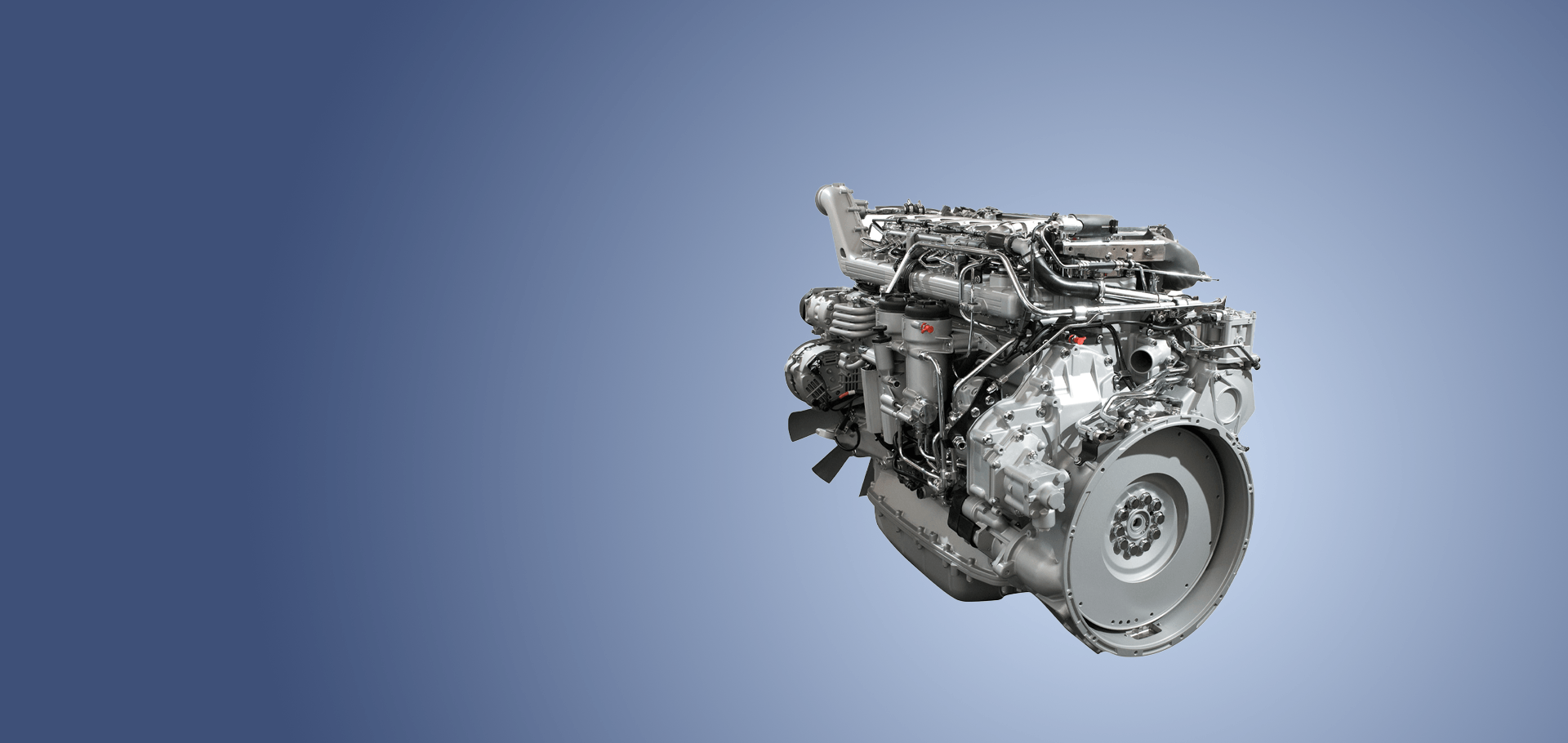
EV Components Machined to Drawing

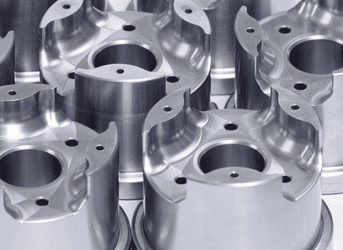
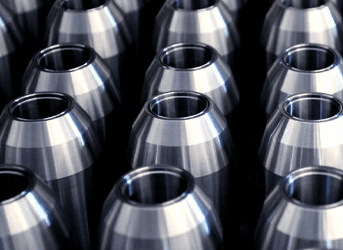
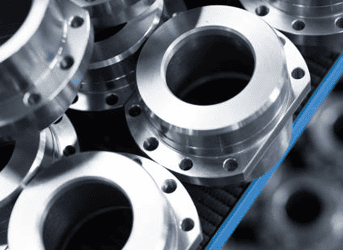
We machine EV components to drawing: housings, enclosures, cooling plates and sensor housings for EV companies, OEM engineering teams, Tier 1 and Tier 2 suppliers.
Talk with Experts
Introduction

Electric vehicle components we machine

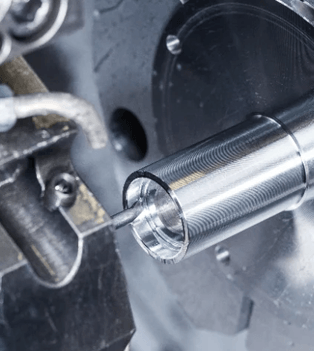
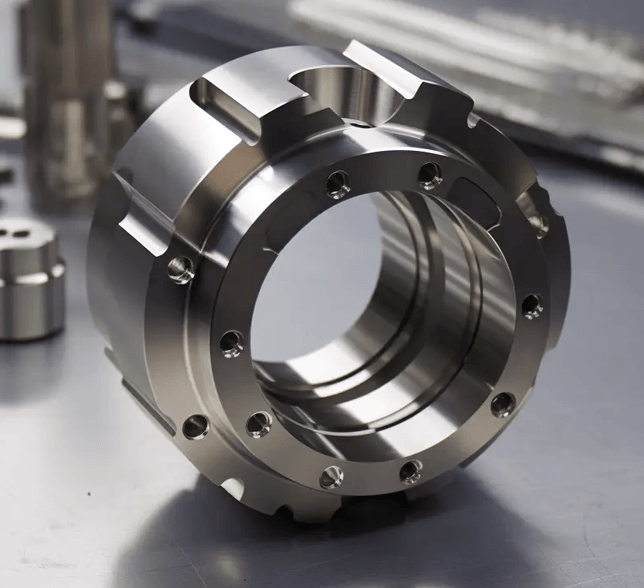
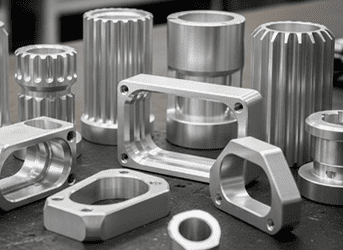
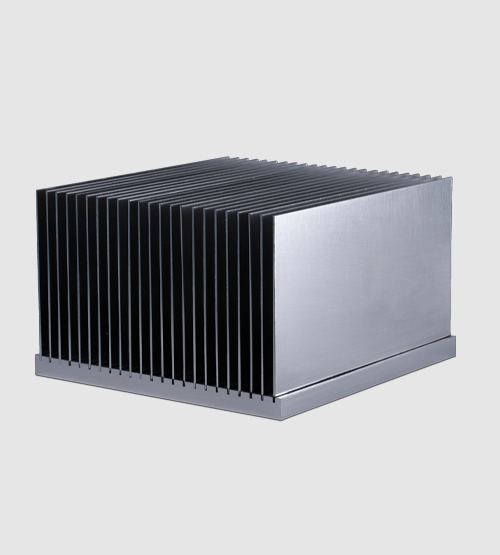
Many EV parts are machined metal: motor and inverter housings, battery enclosures, battery cooling plates, heat sinks, BMS housings and sensor housings, where bores, sealing faces and flat contact faces decide whether the system works.

We machine them to drawing for EV companies, OEM engineering teams and Tier 1 and Tier 2 suppliers, from engineering samples through pilot batches to repeat production. Cells, electronics and assemblies stay with your other suppliers.
EV powertrain components: housings and bores

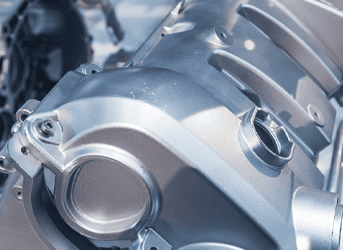
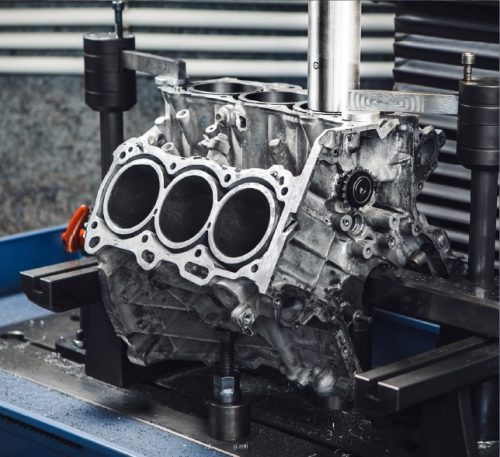
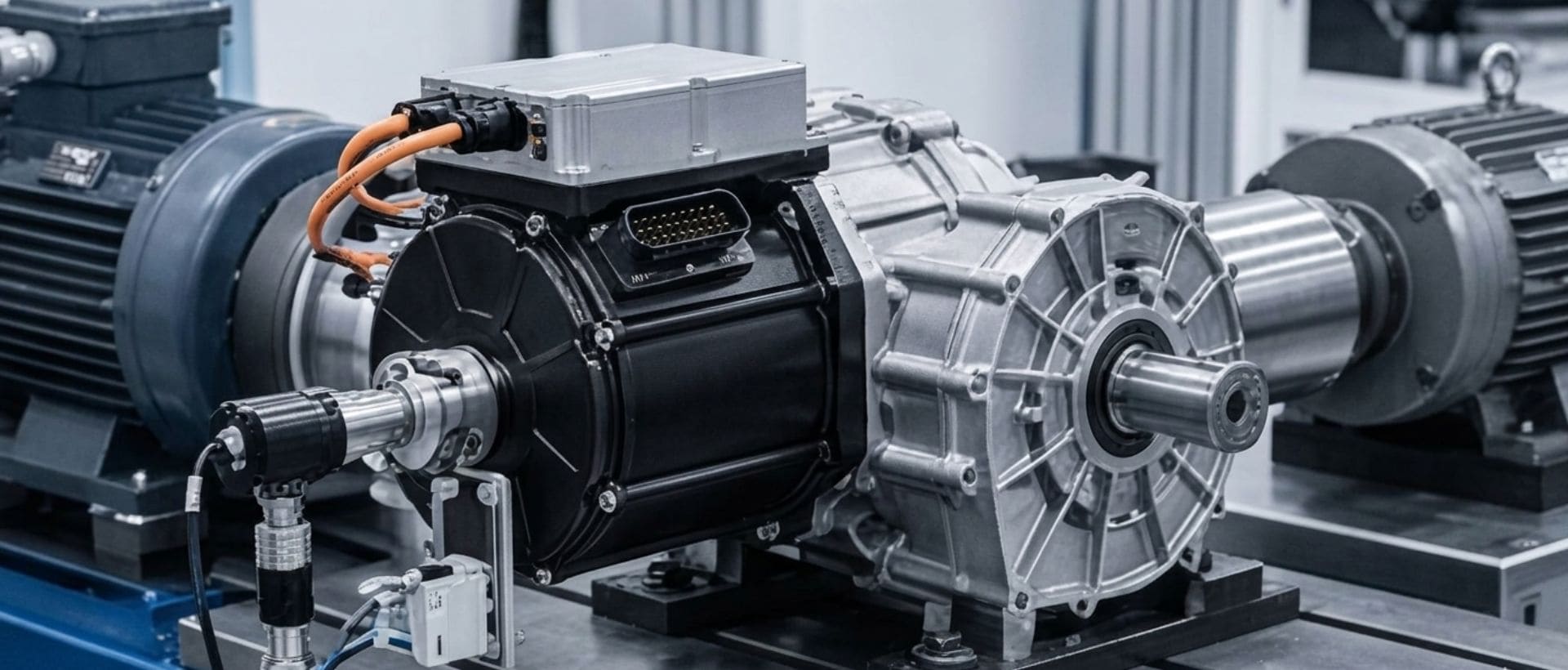
E-drive and e-axle housings combine large bores, cooling jackets and thin walls. Most start as die-cast aluminum blanks (A380 or ADC12) machined to drawing, or are cut from 6061 or 6082 for early programs.

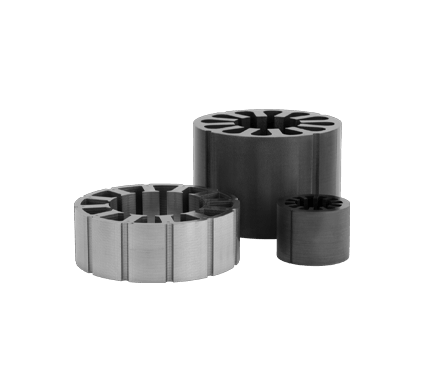
We control bearing and stator bore coaxiality, sealing face flatness and cooling jacket leak tightness where the drawing requires a test. Stator supports are machined for concentricity; other motor and driveline parts are under powertrain components.
EV PROGRAM PRACTICES

Quick Facts

  • Distortion control on thin-walled housings
  • Leak tightness tested where the drawing requires it
  • Inspection reports and traceability on request
  • One process route from samples to repeat production
Request A Quote
Capabilities

EV components by system

Materials & Finishes

Materials and finishes for EV components

Category

Core EV components

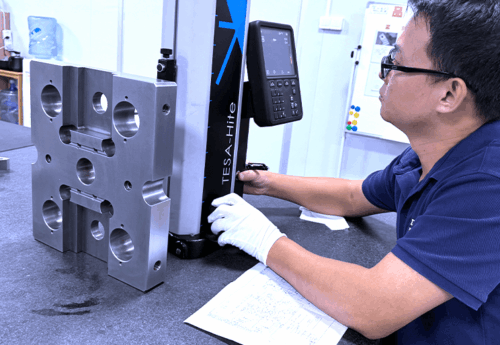
Each part is machined to drawing, from engineering samples to repeat production, with CMM inspection and material traceability.
  • EV motor housings
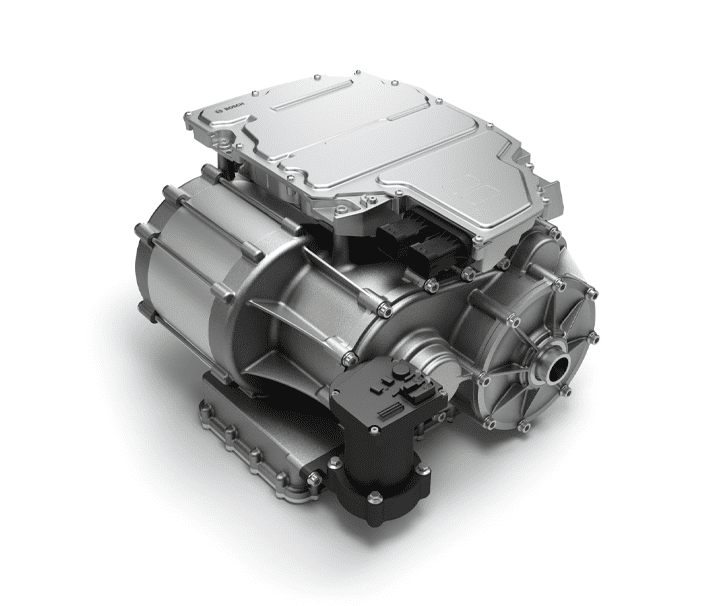
    Traction motor housings with bearing seats, stator bores and integrated cooling jackets.
    Motor housings
  • Inverter housings
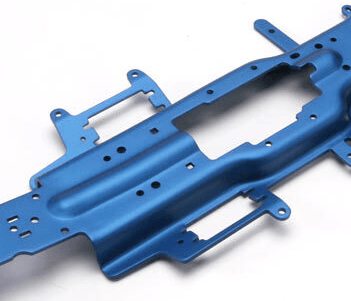
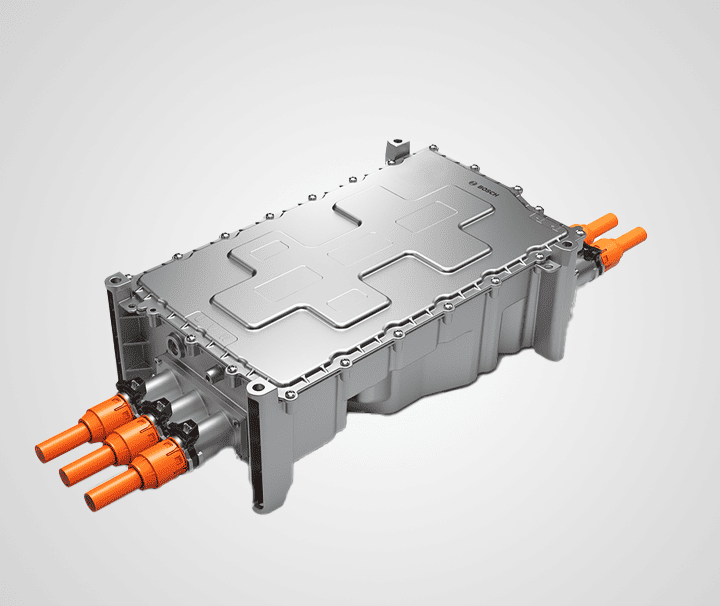
    Housings for power modules and control boards, with flat module seats, sealing grooves and coolant ports.
    Inverter housings
  • EV battery enclosures
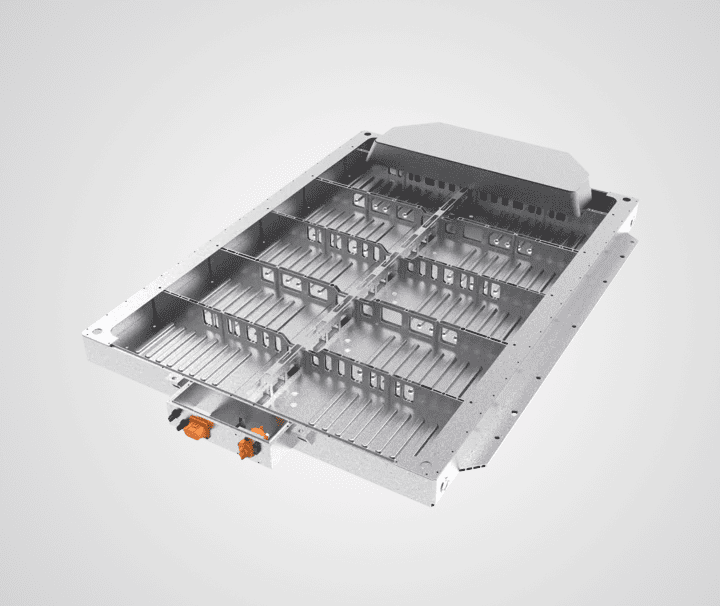
    Machined frames, trays, covers and cross-members for battery packs, with sealing faces and mounting points.
    Battery enclosures
  • ADAS sensor housings
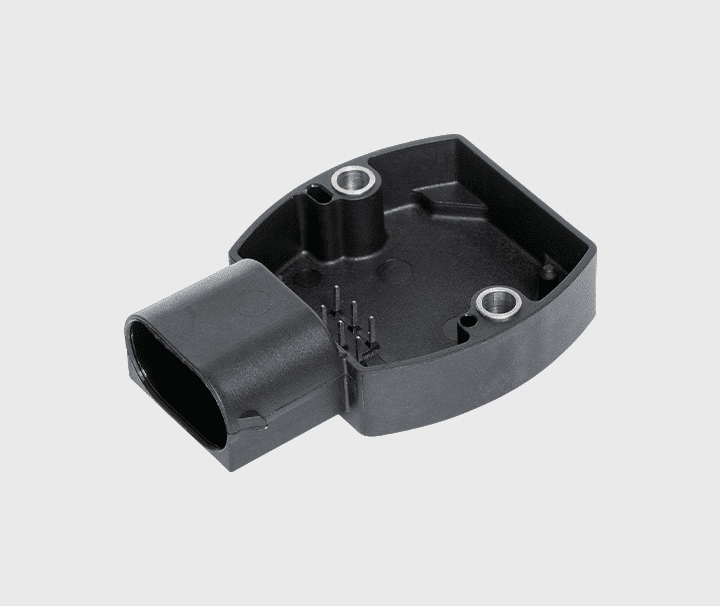
    Sensor, camera and LiDAR housings with sealing grooves and precise mounting datums.
    Sensor housings
  • Connector housings
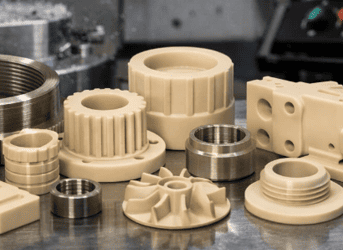
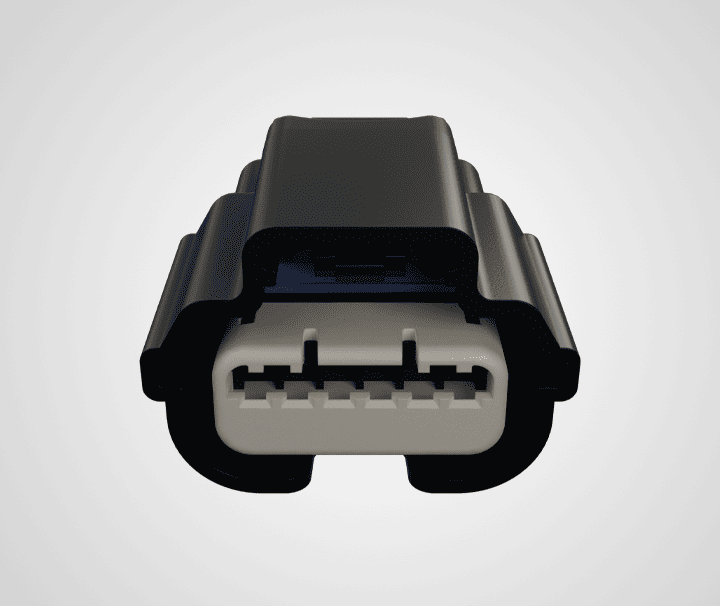
    Machined housings for high-voltage and signal connectors, in aluminum or engineering plastics for insulating parts.
    Connector housings
FAQs

EV components FAQ

Upload drawings
Which EV components does DekAutomotive manufacture?
Machined housings, enclosures, cooling plates, heat sinks, stator supports, sensor housings and related parts to customer drawings; not cells, electronics or complete assemblies.
Can you machine thin-walled EV housings without distortion?
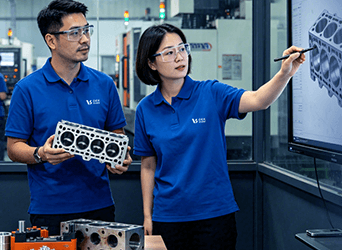
We control distortion through fixturing, clamping and process sequence, and we review the drawing for wall thickness and datums in DFM.
Do you leak test cooling jackets and cold plates?
Yes, where the drawing requires it, by pressure decay or helium testing.
Can you support an EV program from engineering samples to repeat production?
Yes: engineering samples, pilot and low-volume batches, then repeat orders, with inspection reports on request and SPC on critical dimensions when required.
Do you work with die-cast blanks supplied by the customer?
Yes, we machine cast blanks to drawing.