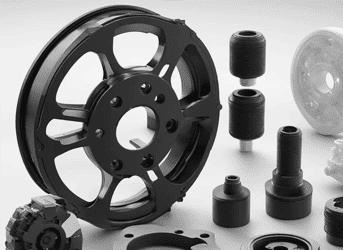
Providing exceptional surface hardness and consistent color uniformity while preserving critical engineering tolerances for high-wear aluminum vehicle assemblies.
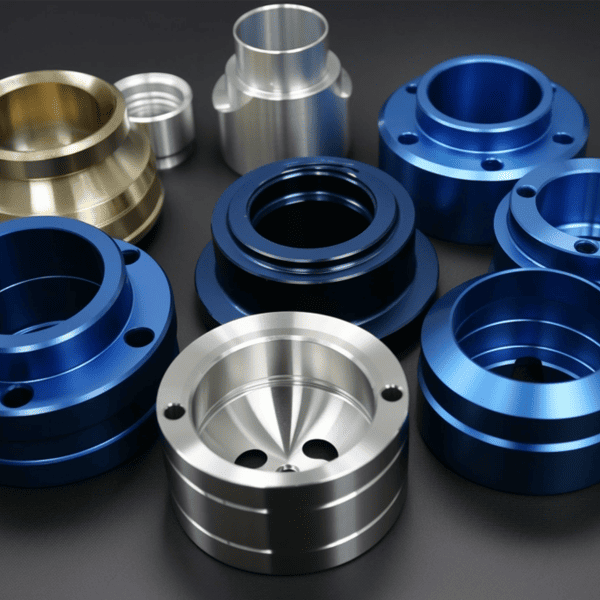
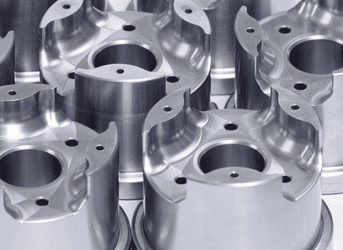
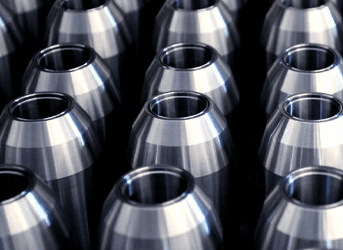
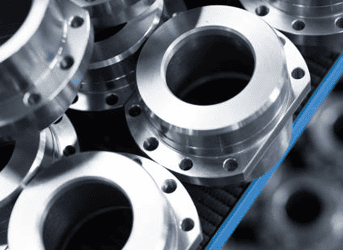
We provide specialized Type II and Type III anodizing for complex coolant manifolds and precision valve bodies, ensuring uniform surface integrity and enhanced wear resistance. Our process maintains strict dimensional control, delivering the chemical stability and electrical insulation required for advanced automotive assemblies.
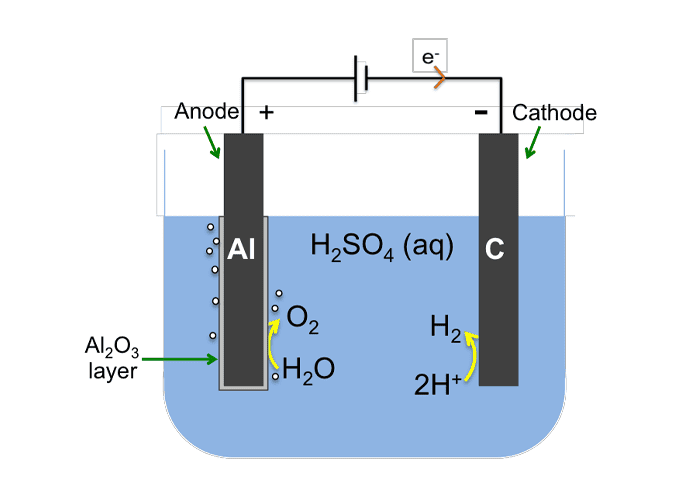
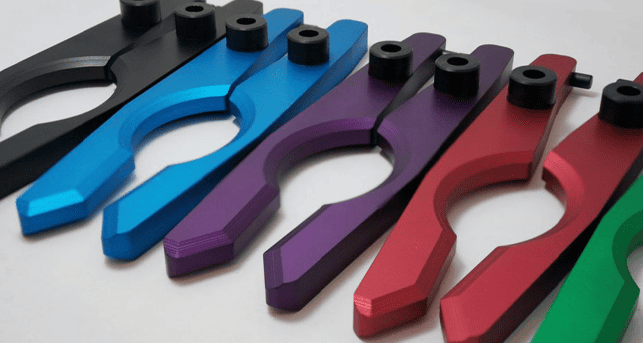
Precision automotive components require proactive dimensional planning, as anodizing is an additive process that significantly impacts critical press-fit diameters and intricate internal thread clearances.
We collaborate with engineers to calculate precise pre-machining offsets, accounting for the 50% buildup and 50% penetration ratio. This ensures that high-tolerance components, such as bearing seats and sensor housings, achieve perfect assembly dimensions after the final Type III hard-coat treatment.
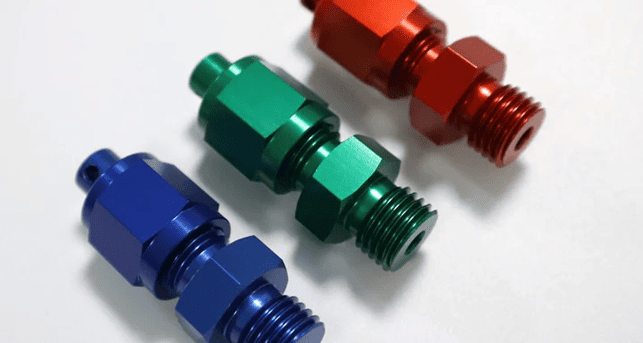
Optimal anodizing quality relies on specific alloy compositions, as high zinc or silicon content in 7000-series or cast aluminum significantly alters electrochemical film growth rates.
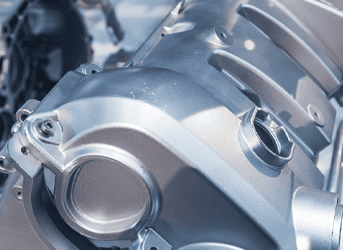
We analyze specific material responses to prevent common defects like smutting or dull graying on critical components. By adjusting bath chemistry and voltage, we ensure that specialized motor housings and chassis components achieve consistent, high-density oxide layers regardless of base alloy complexity.
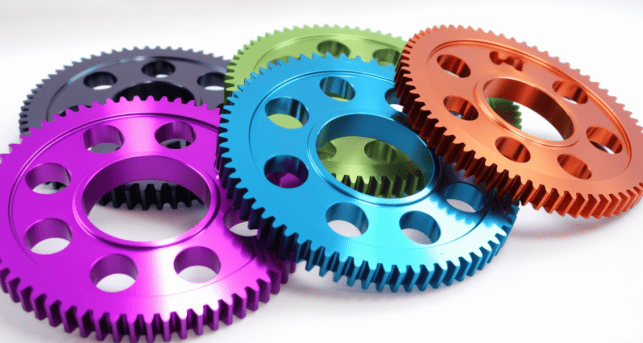
Beyond aesthetics, anodizing serves as a critical functional layer for electrical insulation, thermal management, and preventing galvanic corrosion in multi-material automotive assemblies.
For EV battery systems and power electronics, we optimize coating thickness to meet dielectric breakdown voltage requirements. Furthermore, we analyze contact points between aluminum and stainless steel fasteners, applying targeted anodizing strategies to mitigate long-term corrosive risks in harsh, high-vibration road environments.

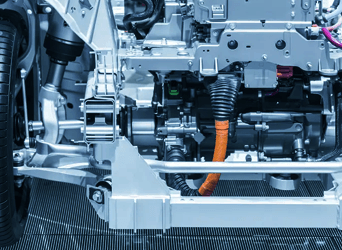
Provides critical electrical insulation for high-voltage EV battery enclosures, preventing potential short circuits in power systems.

Maintains structural integrity and surface adhesion under extreme engine heat without peeling, flaking, or degrading.

Creates a non-porous barrier that resists oil absorption and chemical staining in harsh automotive environments.

Significantly increases aluminum surface density to resist abrasive wear and scratching during long-term vehicle operation.
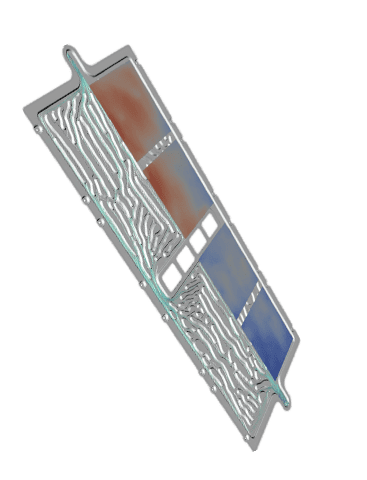
Process
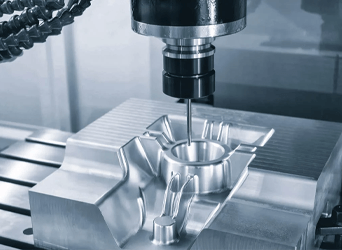
CNC Milling & WeldingMaterial
Aluminum 5052Technical
High-Voltage Insulation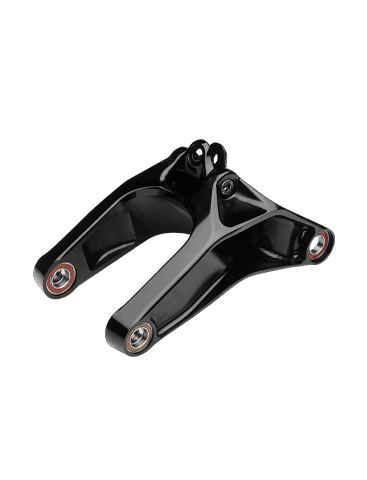
Process
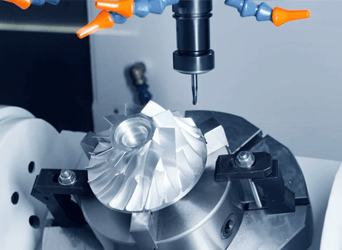
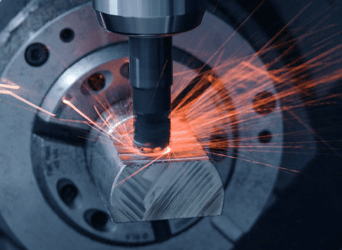
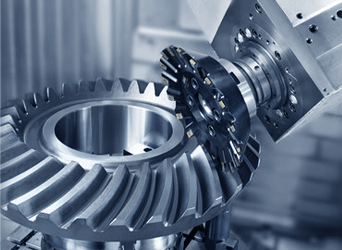
5-Axis Precision MachiningMaterial
Aluminum 7075Technical
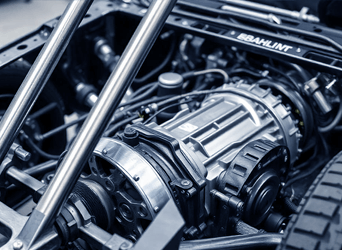
Dynamic Load Resistance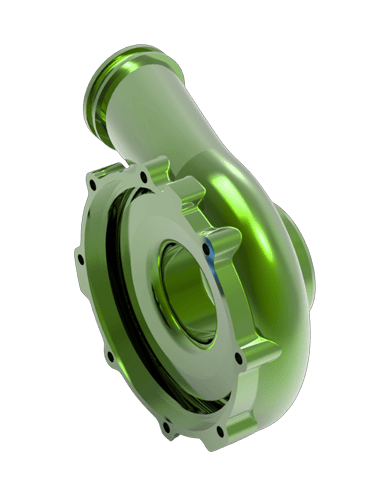
Process
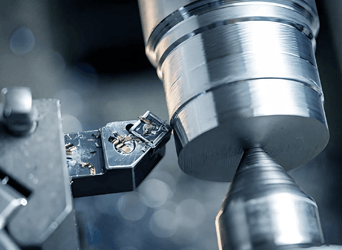
High-Speed CNC TurningMaterial
Aluminum 6061Technical
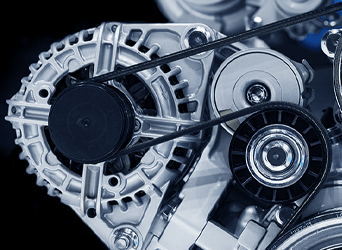
High-Temperature Oxidation Shield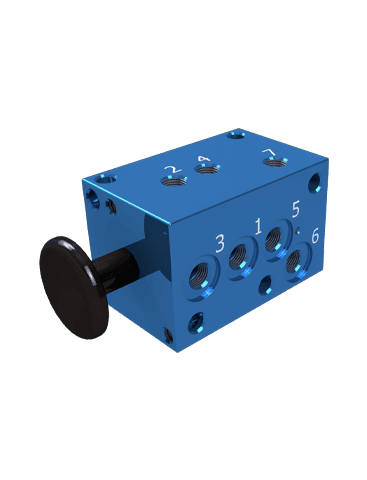
Process
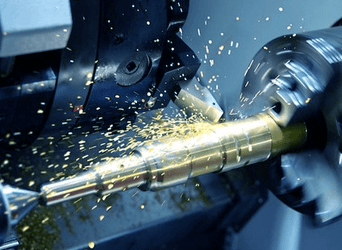
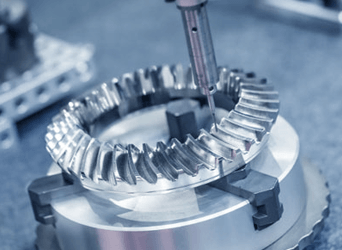
Multi-Axis Deep DrillingMaterial
Aluminum 6082Technical
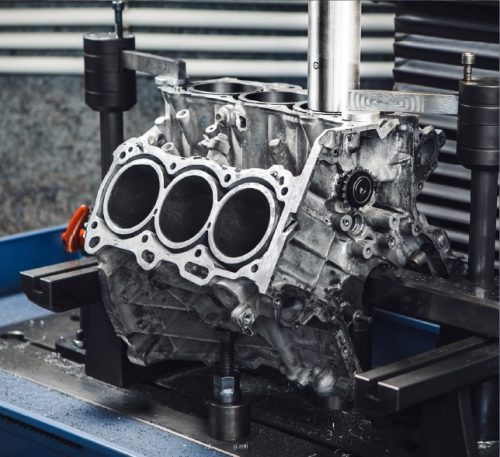
Precision Bore ConsistencyProcess
CNC Milling & WeldingMaterial
Aluminum 5052Technical
High-Voltage InsulationProcess
5-Axis Precision MachiningMaterial
Aluminum 7075Technical
Dynamic Load ResistanceProcess
High-Speed CNC TurningMaterial
Aluminum 6061Technical
High-Temperature Oxidation ShieldProcess
Multi-Axis Deep DrillingMaterial
Aluminum 6082Technical
Precision Bore Consistency
We integrate advanced machining, specialized materials, and surface finishing to deliver mission-critical parts that meet every rigorous automotive standard.
Fill out the form below and our team will get back to you promptly with a personalized quote tailored to your needs.