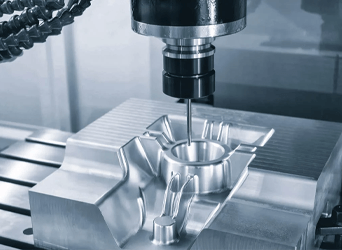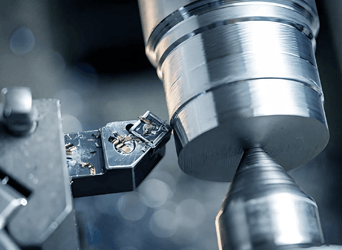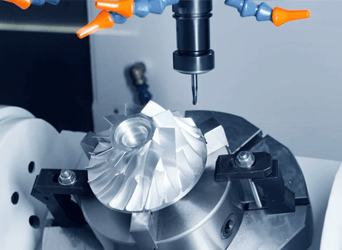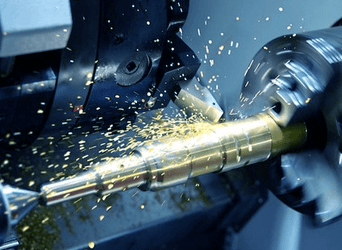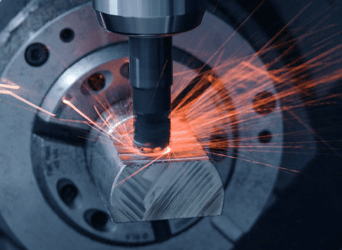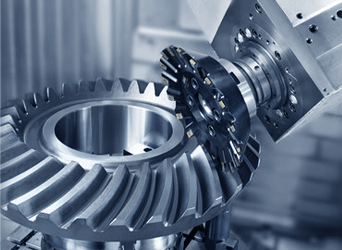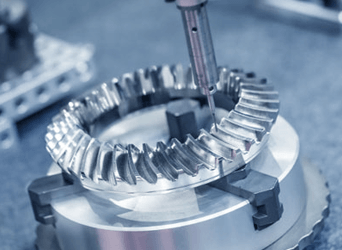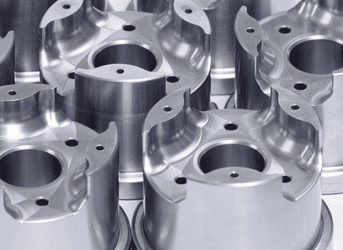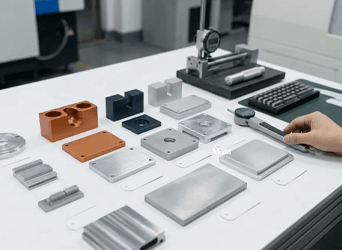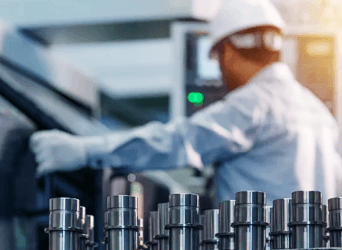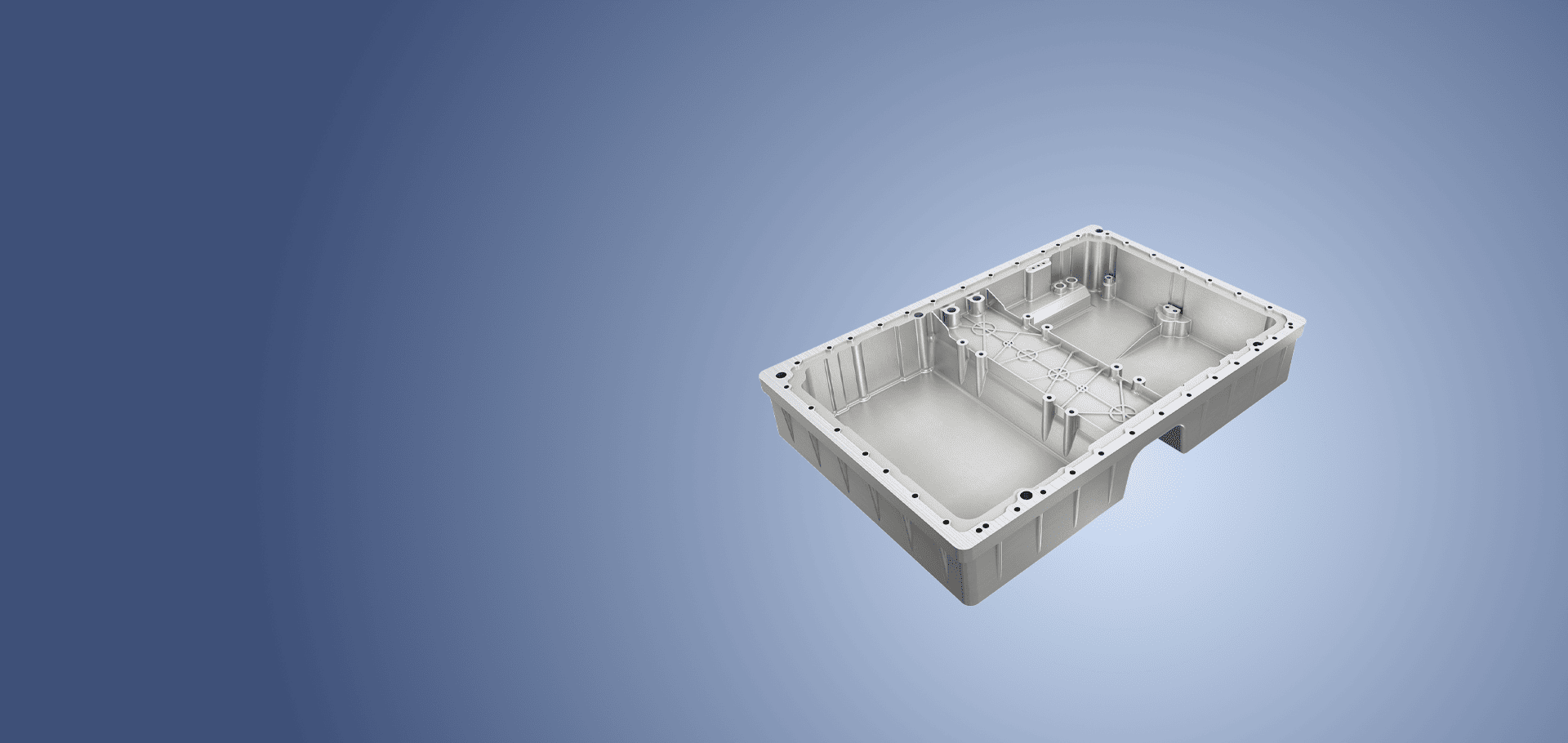
We machine EV battery enclosure components to your drawing: frames, trays, covers and sealing flanges for OEM and Tier programs and EV engineering teams.
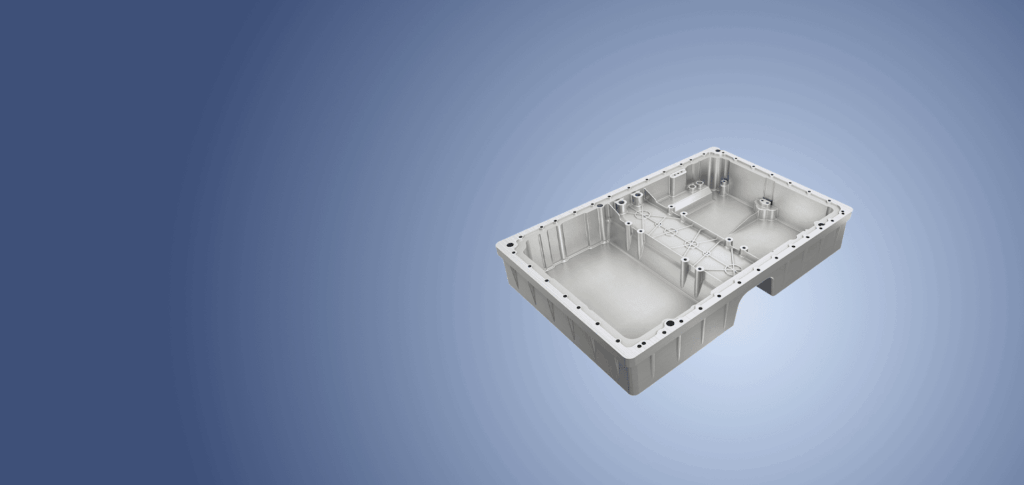
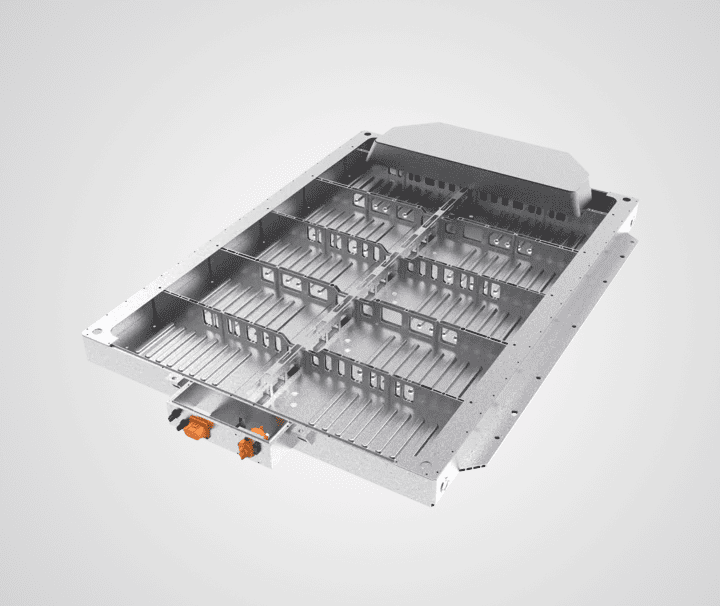
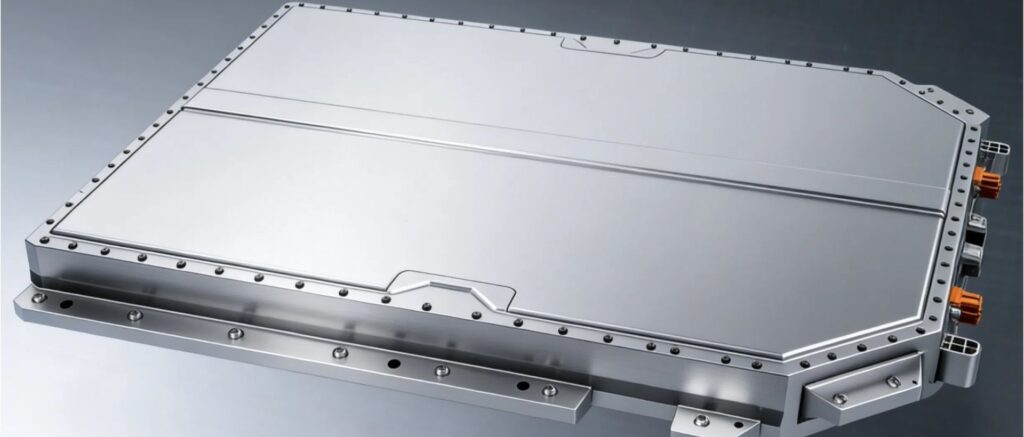
An EV battery enclosure carries the battery modules, seals them against water and dust, provides the thermal interface to the cooling system and sits in the crash load path. DekAutomotive machines its components to OEM and Tier drawings, from engineering samples through pilot and low-volume batches to repeat production.
We hold sealing-face flatness and keep material traceability, with inspection reports on request. These parts sit in our EV components family; BMS housings inside the pack are a separate family. See our order process.
Ends, pockets, bores and mounting faces machined on long aluminum profiles, often on 5-axis machines. We control length, hole position across the full frame and squareness of joint faces.
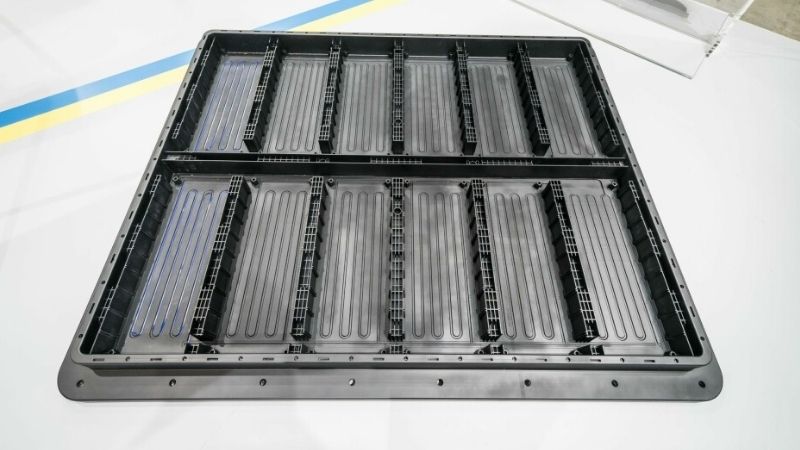
Machined or cast trays with module seats, bosses and thin floors. We control the flatness of module seats, wall thickness and distortion after machining, with fixturing and roughing sequence set at the DFM review.
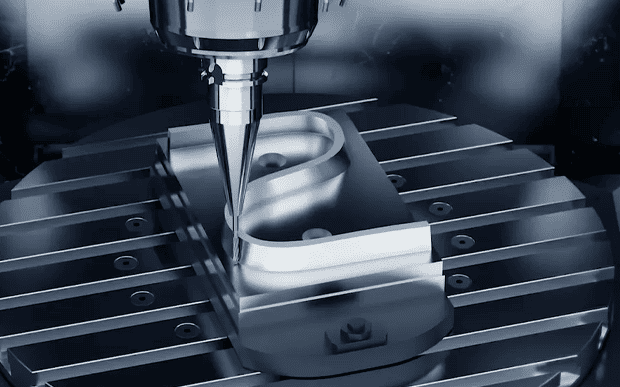
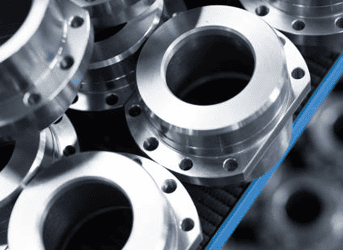
Cover flanges and bolt patterns machined to your drawing. We control the flatness and roughness of the sealing face, where a machined tolerance becomes a leak-tightness requirement.
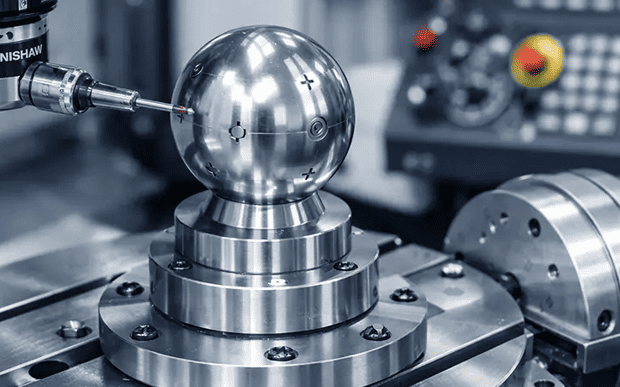
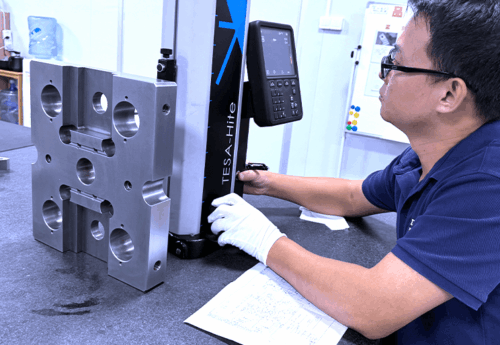
O-ring and FIPG (formed-in-place gasket) grooves and gasket faces. We control groove depth and width and face flatness, and check sealing features on a CMM, as in CMM inspection of complex housings.
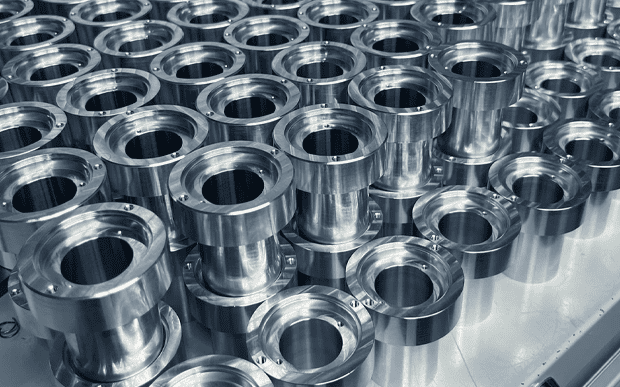
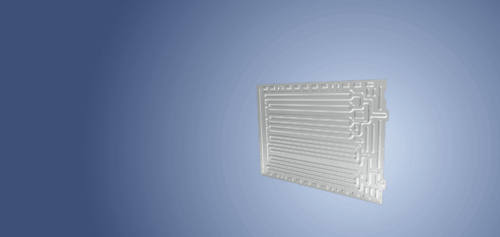
Seats and fastening points for cooling plates under the modules, machined to your flatness callout. A flat, well-supported interface keeps the gap filler between modules and plate thin and even.
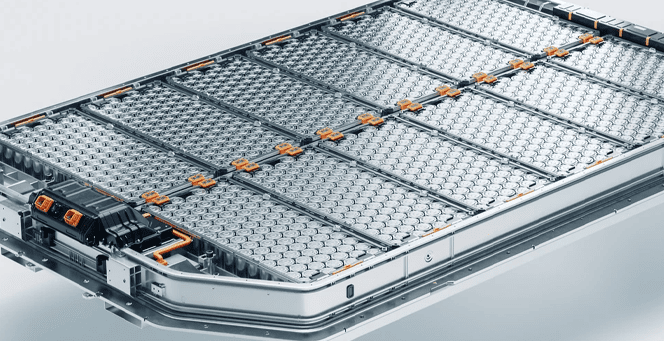
6061-T6, 6082-T6 and 6063 profiles for side frames and cross-members: low weight, and multi-chamber profiles absorb side impact energy. We machine ends, pockets and bores to drawing.
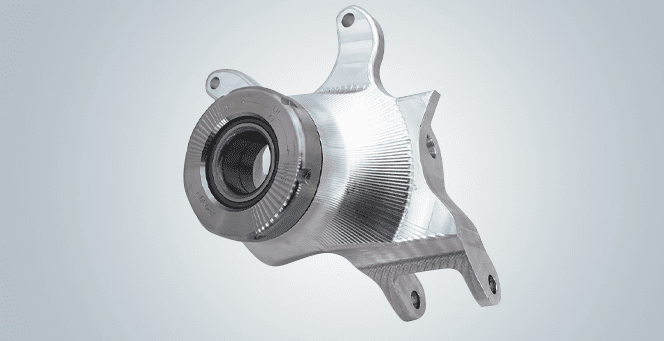
A380 and structural HPDC alloys such as AlSi10MnMg integrate ribs and bosses in one part. We machine cast blanks to your drawing; we do not produce die castings.
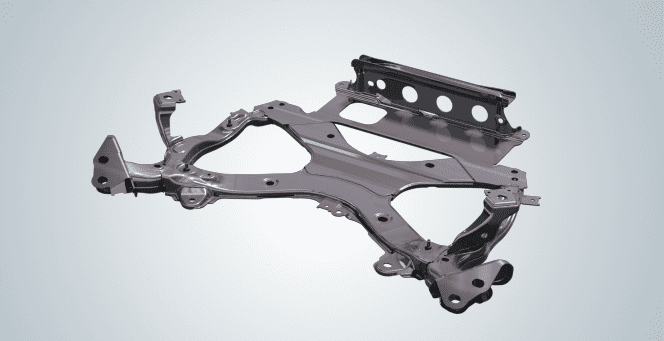
Press-hardened and HSLA steel give high strength in crash with thin sections, at low cost. Chosen where cost or crash requirements dominate; we machine the steel the OEM specifies.
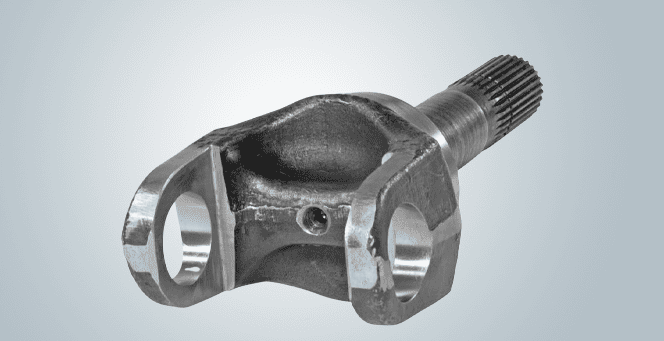
The lowest-weight option, with lower stiffness, used for covers. We machine magnesium covers only where the customer drawing specifies magnesium.
The table sums up the parts, materials and checks we work to; requirements come from your drawing, and your engineering team owns the design validation.
| Manufacturing Parameter | Technical Specification |
|---|---|
| Part types | Side frames, cross-members, trays, covers, flanges |
| Materials | 6061-T6, 6082-T6, 6063, A380, HSLA steel, magnesium |
| Blanks | Extrusions, cast blanks machined to drawing |
| Critical features | Sealing faces, O-ring and FIPG grooves, hole position |
| Inspection | CMM of frames, sealing flanges, mounting patterns |
| Documentation | FAI, inspection reports, material certs on request |
| Traceability | Material traceability per batch |
| Quantities | Engineering samples to repeat production |
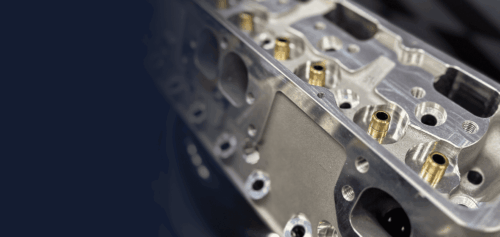
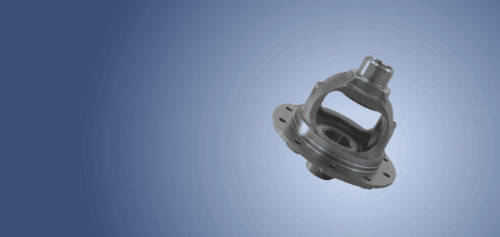
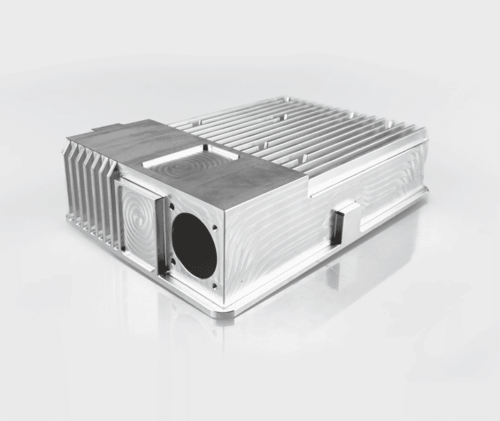
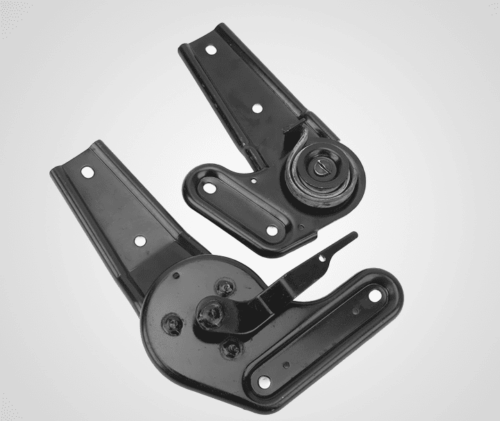
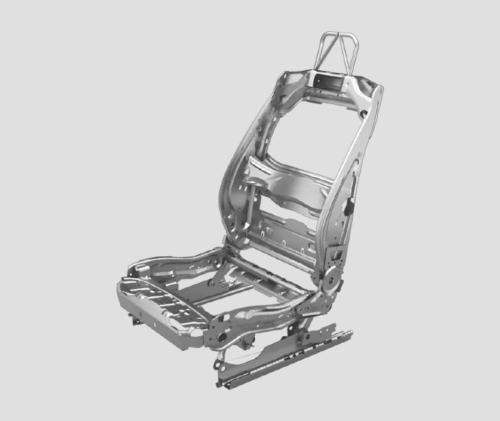
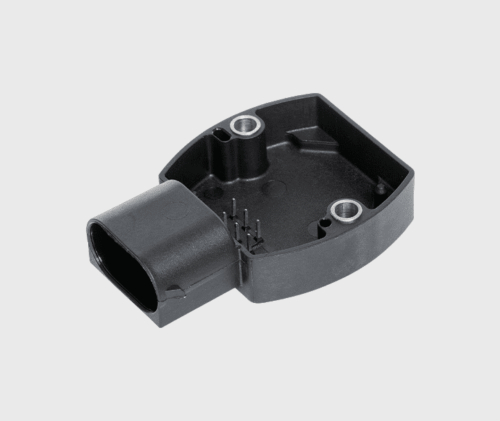
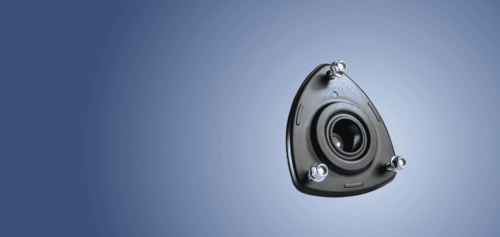
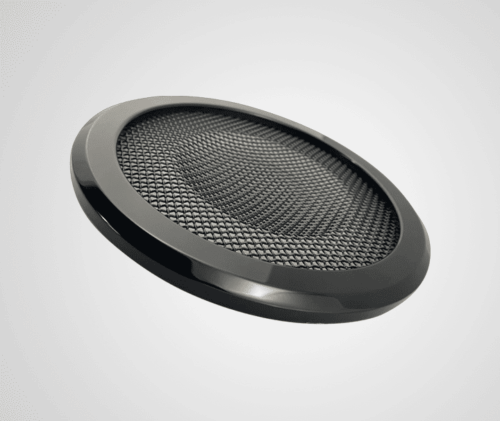
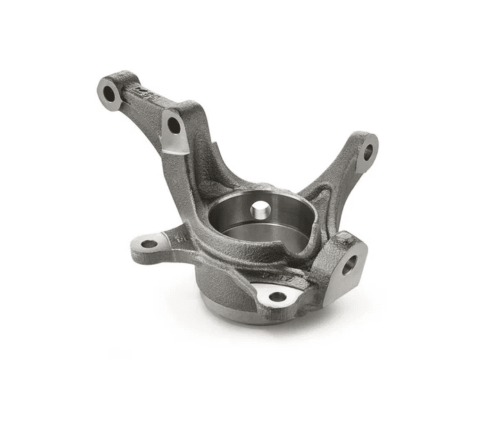
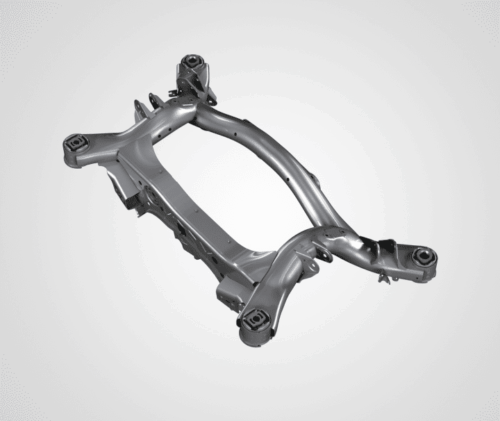
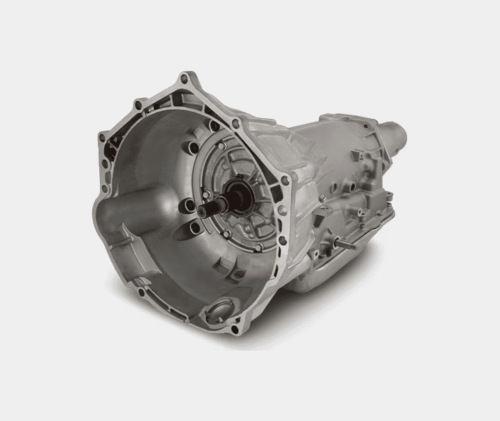

Flanges, grooves and faces machined to your drawing and checked on a CMM.

Fixturing, sequence and datums set before machining, not at first article.

Material traced per batch, with material certificates on request.
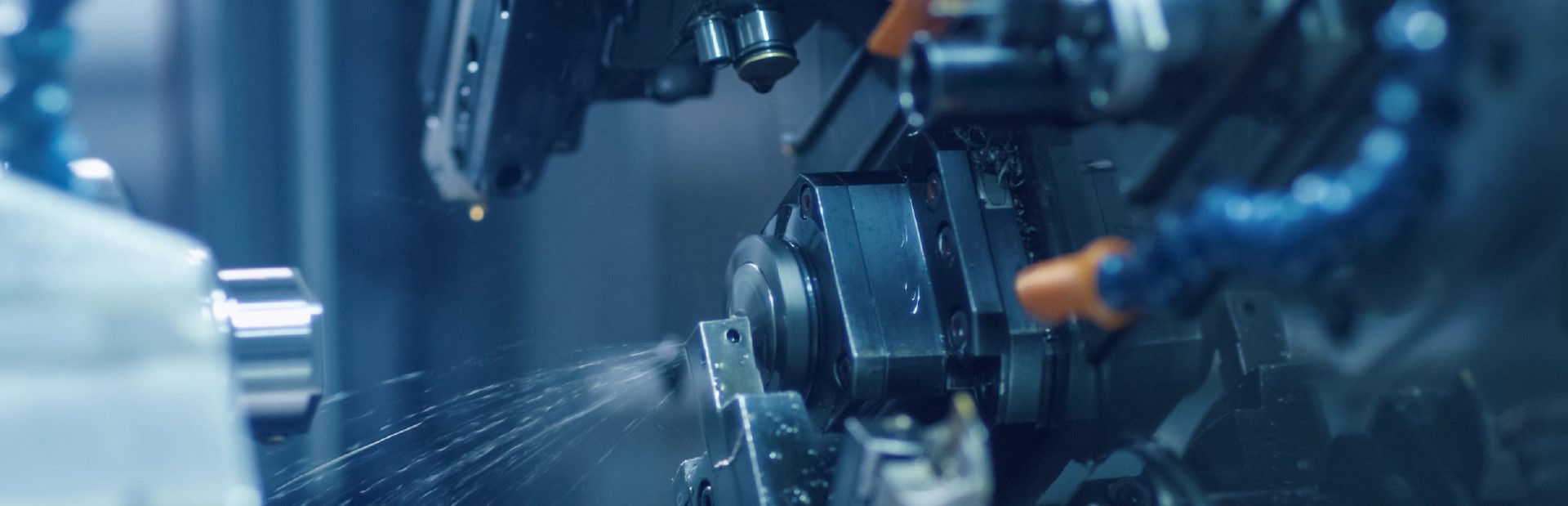
We integrate advanced machining, specialized materials, and surface finishing to deliver mission-critical parts that meet every rigorous automotive standard.
Fill out the form below and our team will get back to you promptly with a personalized quote tailored to your needs.