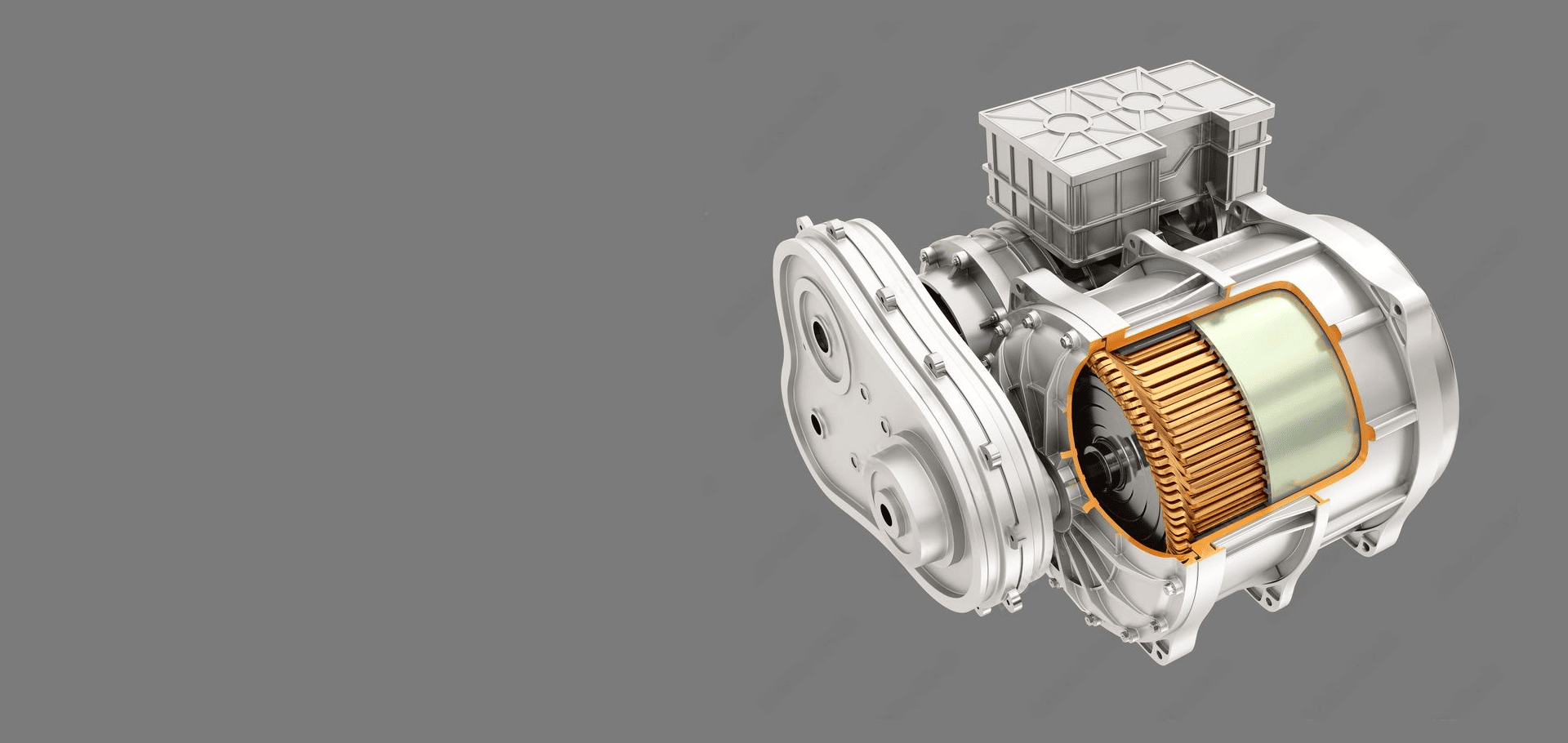
Precision Motor Housing Solutions

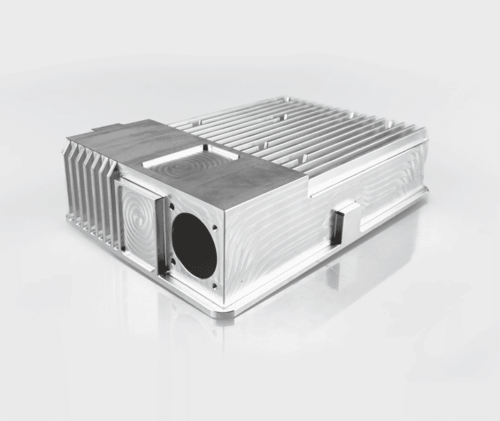
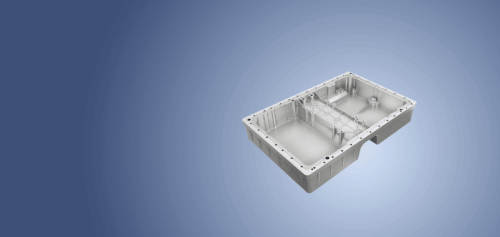
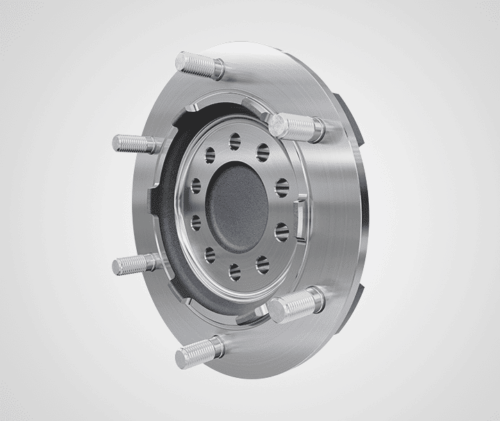
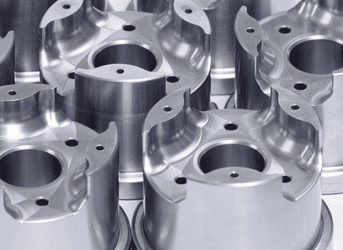
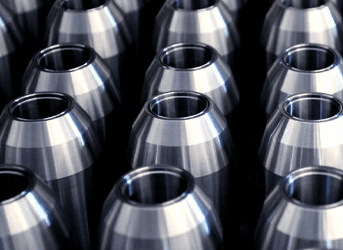
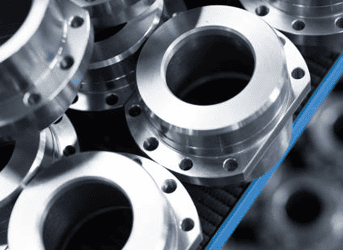
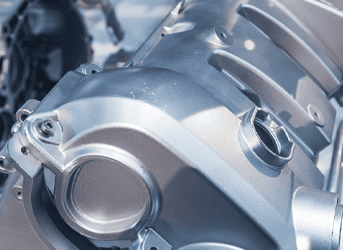
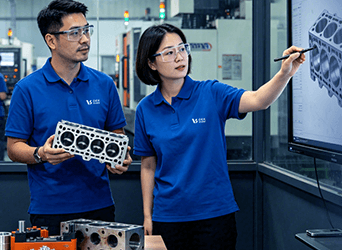
Engineered with precision thin-wall aluminum casting, our E-motor housing solutions ensure optimal structural integrity, maximum weight reduction, and OEM compliance.
Contact Us
Overview

Scalable Motor Housing Manufacturing

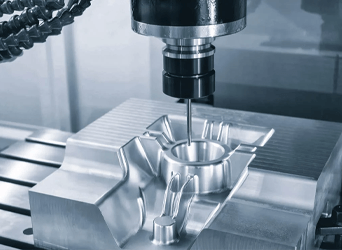
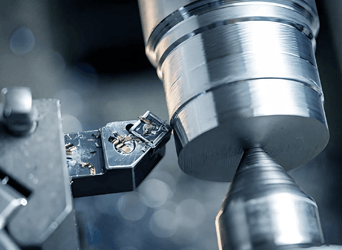
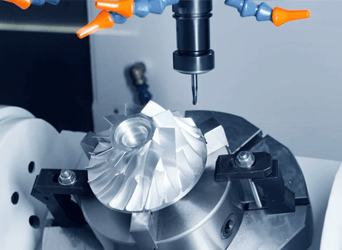
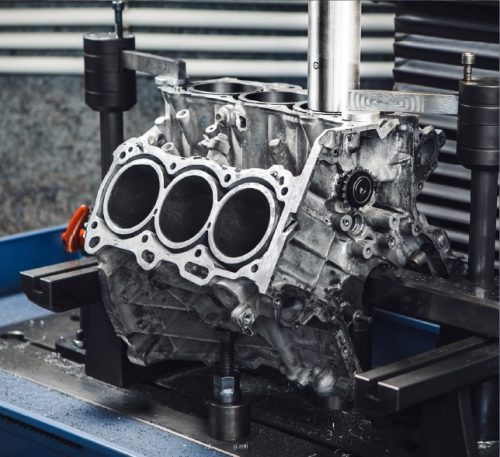
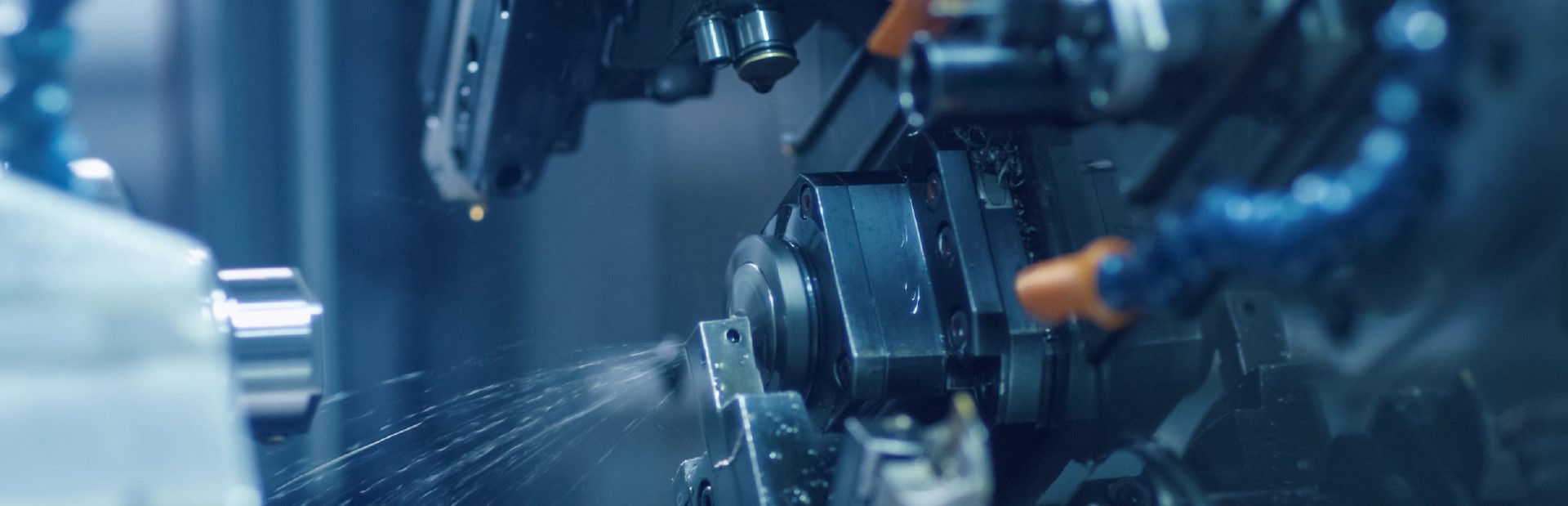
Engineered through specialized thin-wall aluminum casting, our housings utilize precise robotic multi-axis milling alongside integrated eddy current testing to guarantee flawless stator bore circularity and void-free structural density across production batches.

Our automated production lines rapidly scale from initial developmental tooling to high-volume output, offering secondary processing like inline liquid impregnation sealing, cleanroom packaging, and synchronized just-in-time logistics to match your assembly timelines.

Contact Us
Challenge

Challenges & Solutions For Motor Housing

  • 01

    Stator Bore Ovality

    Utilizing thermal-stabilized fixture setups during final multi-axis CNC boring ensures micron-level circularity, preventing uneven air gaps and maintaining optimal electromagnetic motor efficiency.

  • 02

    Thermal Dissipation Efficiency

    Integrating intricate, helical cooling channels inside the aluminum casting geometry maximizes surface contact, preventing localized rotor overheating and maintaining peak power density.

  • 03

    Fluid Containment Security

    Automated low-pressure helium leak detection loops across production lines guarantee structural sealing, preventing coolant migration into critical electrical stator winding zones.

  • 04

    High-Frequency Resonance Dampening

    Applying element analysis to optimize rib stiffening patterns across the outer housing profile dampens high-frequency operational NVH harmonics for quieter cabin environments.

  • 05

    Galvanic Corrosion Protection

    Applying multi-stage fluoropolymer or chemical conversion coatings provides chemical isolation, preventing material degradation when exposed to glycol-based cooling fluids.

Capabilities

Motor Housing Technical Specs

Engineering data outlines processing envelopes, rigorous sealing standards, and structural geometric tolerances for powertrain assemblies.

Contact Us
Manufacturing Parameters Technical Specifications
5-Axis Machining Dimensions Up to 1000 × 850 × 700 mm
3-Axis Milling Capacity Up to 1600 × 1200 mm
Stator Bore Cylindricity 0.008 mm
Helium Leakage Rate < 1 × 10⁻⁵ mbar·l/s
Cooling Jacket Volume ±2%
Material Chemical Composition AlSi10Mg; A356 aluminum
Mating Flange Flatness < 0.03 mm
Related

Explore More Parts


Why Choose Us

Why Engineers Choose Our Motor Housing

  • 01

    Verified Accuracy

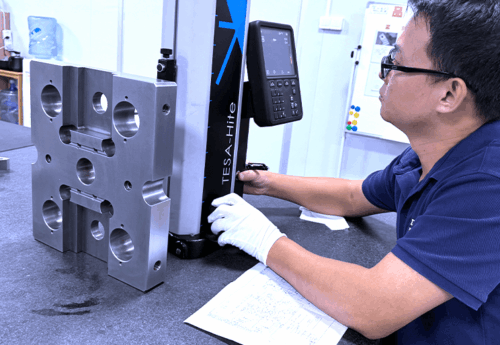
    Micro-level CMM validation guarantees exact stator alignment and housing concentricity.

  • 02

    Scalable Output

    Automated lines rapidly transition from prototyping to high-volume manufacturing.

  • 03

    Thermal Integrity

    Advanced casting designs optimize fluid dissipation and prevent localized hotspots.
FAQs

Frequently Asked Questions

Contact Us
How do you prevent coolant leakage in electric motor water jackets?
We machine precise groove profiles for elastomeric seals and utilize automated helium leak testing, ensuring absolute fluid containment across high-pressure liquid cooling circuits.
What tolerances are maintained for the stator press-fit bore?
Our horizontal boring mills hold the main stator seat cylindrical tolerance within twelve microns, guaranteeing optimal thermal contact and preventing housing distortion during assembly.
How do you ensure high concentricity between bearing journals?
We machine both front and rear bearing seats in a single setup on multi-axis CNC centers, keeping coaxiality deviation strictly under fifteen microns.
Can you cast thin-walled motor enclosures without internal porosity?
Yes, we employ vacuum-assisted high-pressure die casting alongside real-time X-ray monitoring, eliminating subsurface air entrapment to ensure completely dense, ultra-thin structural aluminum walls.
How do your motor housings handle high electromagnetic interference?
Our specialized aluminum and ductile iron alloy selections provide natural electromagnetic shielding, protecting sensitive internal inverter electronics from external signal disruptions.