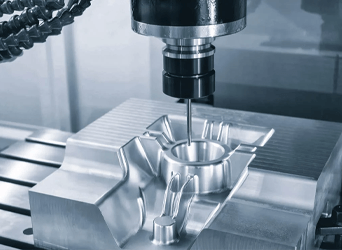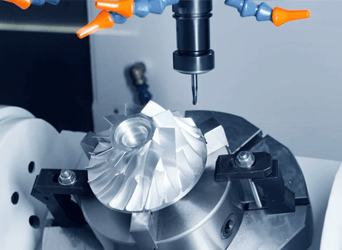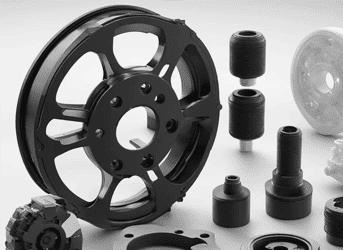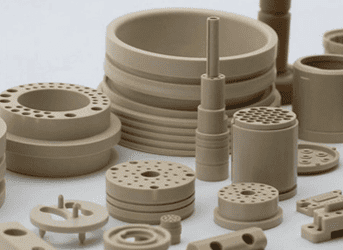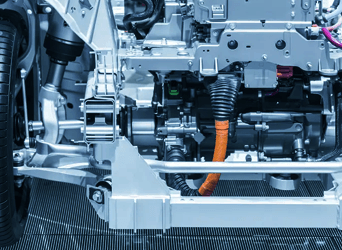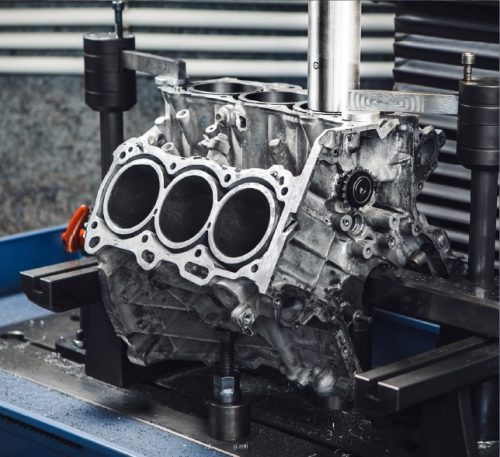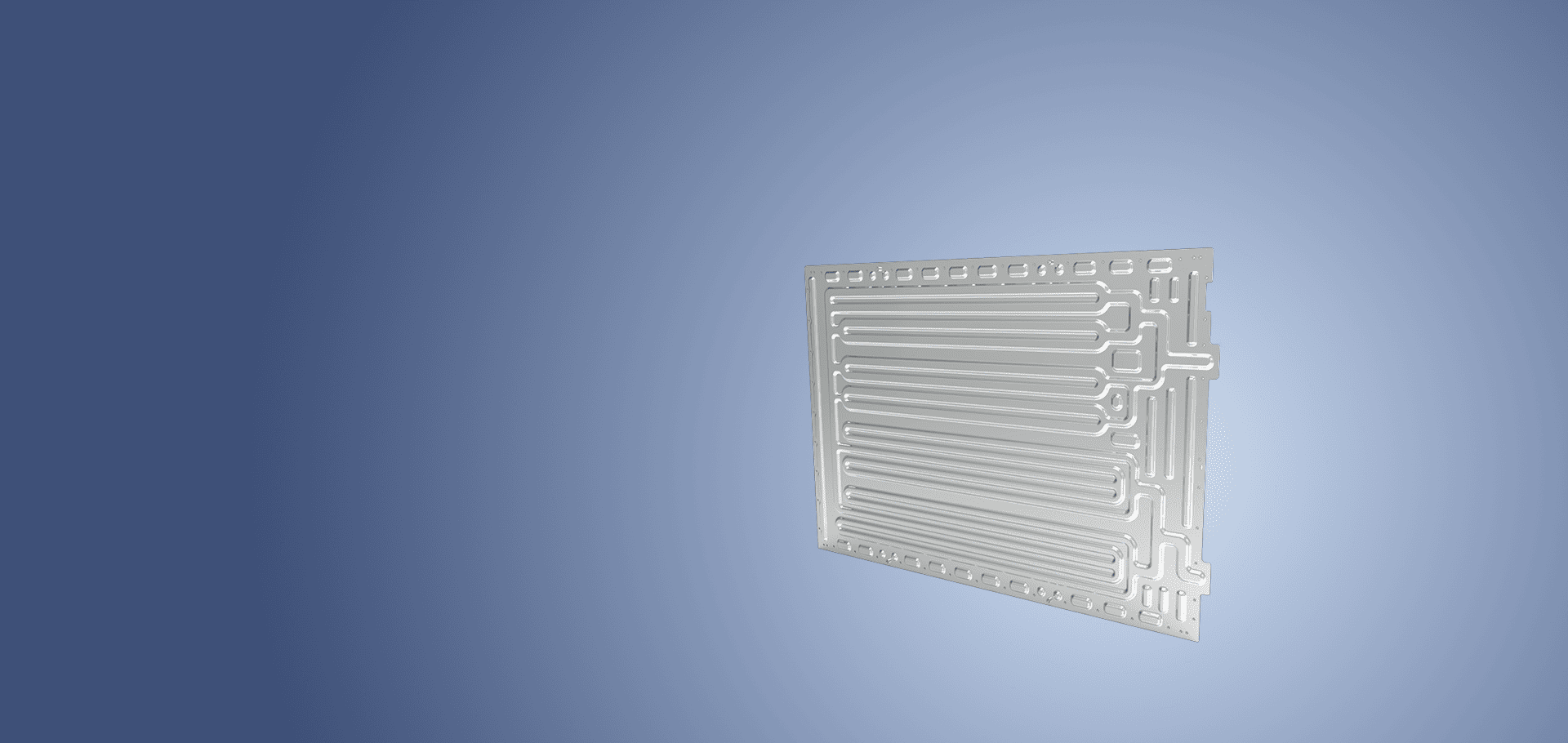
DekAutomotive machines each battery cooling plate to your drawing for EV packs and modules. We support OEM and Tier programs from engineering samples to repeat production.
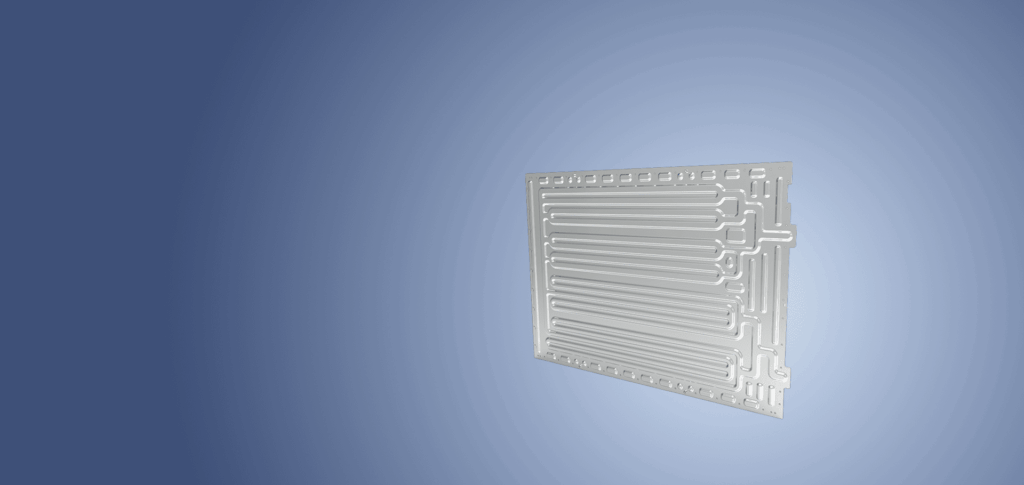
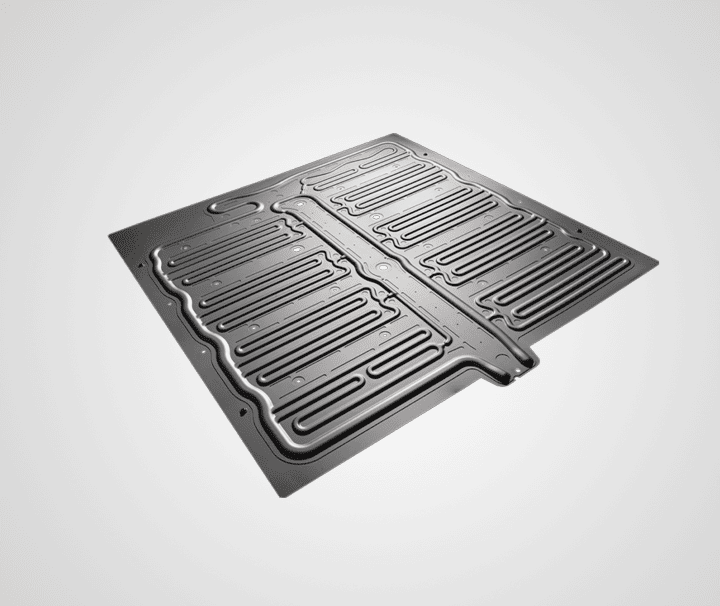
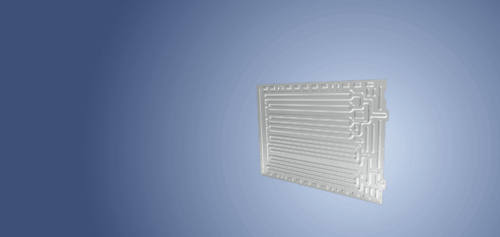
A battery cooling plate carries coolant under or between the battery modules. It removes the heat of charging and driving and keeps the pack temperature uniform. We build them to your drawing for EV packs and modules, alongside our EV components.
From engineering samples and pilot builds to low-volume and repeat production, you get a verified flat contact face, leak testing to your specification and batch traceability, as set out in our order process and documentation.
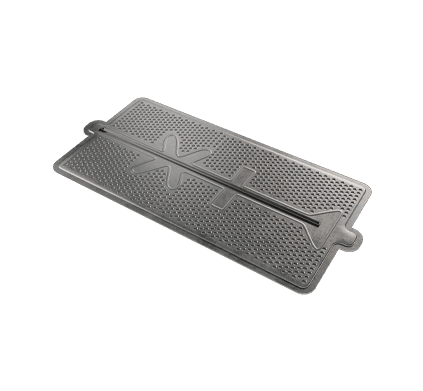
The most common layout: a large, thin plate under the modules, with a gap filler between cells and plate. Flatness and stiffness are the challenge, because any bow becomes a thicker gap filler layer and a hotter cell. Used with prismatic, pouch and cylindrical cells, in module or cell-to-pack designs.
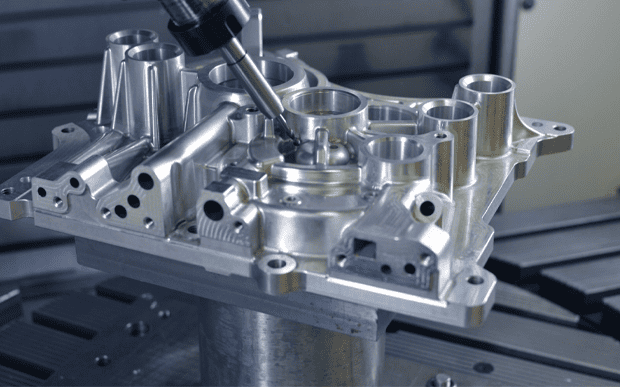
Serpentine or parallel channels milled into the base, with the lid sealed by an O-ring and fasteners. This construction suits engineering samples, pilot and low-volume plates, and design changes between revisions.
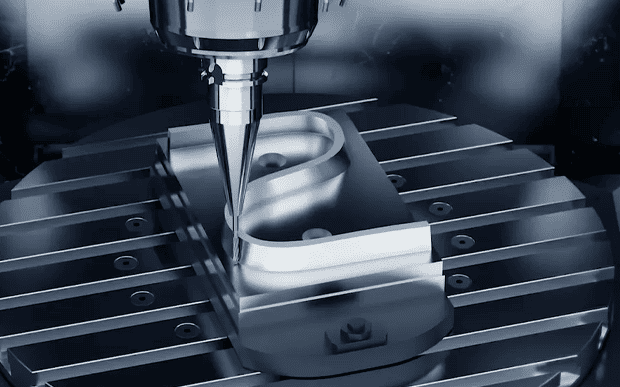
Some packs combine the coolant channels with the pack floor, so the plate becomes part of the structure. Machining, sealing and inspection then follow the enclosure.
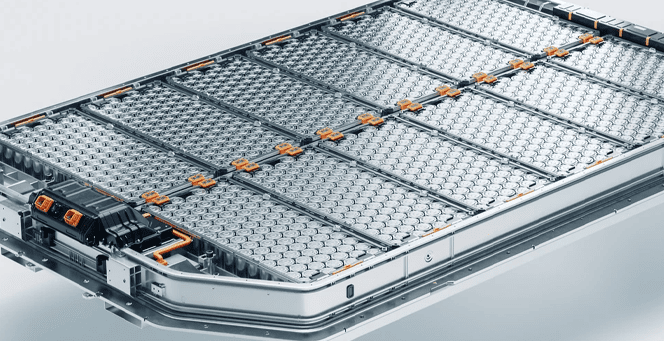
A usual alloy for machined cooling plates, with channels, ports and manifolds machined to your drawing. Most packs run water and ethylene glycol (WEG).
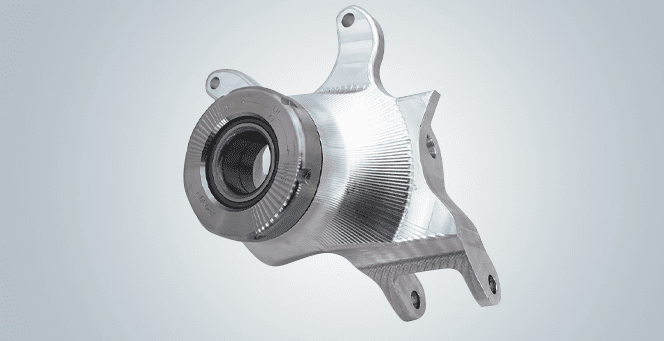
The other usual alloy for machined plates: contact face, ports and O-ring grooves machined to your drawing, coated when your drawing specifies it.
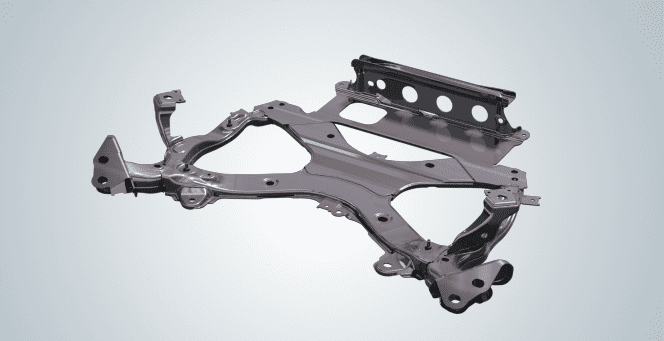
An external coating or electrical insulation film is applied when your drawing specifies it, for example hard anodizing.
The table summarizes what we machine and check on each plate. Every requirement comes from your drawing and your specification.
| Manufacturing Parameter | Technical Specification |
|---|---|
| Part types | Bottom and integrated plate-in-tray cooling plates |
| Construction | Machined channels with O-ring sealed lid |
| Materials | Aluminum 6061 or 6063 |
| Machined features | Contact face, ports, manifolds, O-ring grooves, bosses |
| Finishes | Coating or insulation film per the drawing |
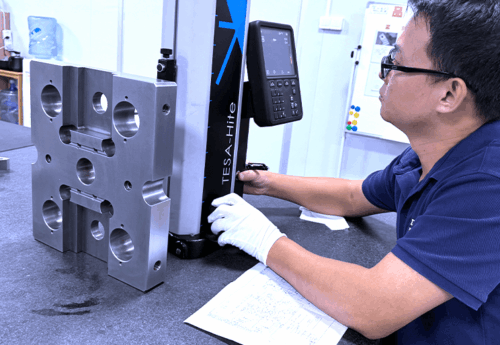
| Inspection | CMM contact face flatness, batch traceability |
| Documentation | FAI or inspection reports, CMM data, MTRs on request |
| Quantities | Engineering samples to repeat production |
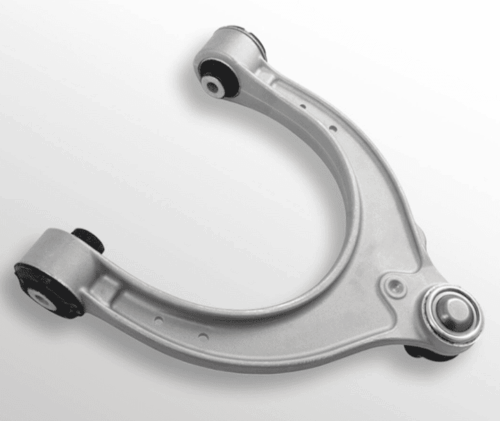
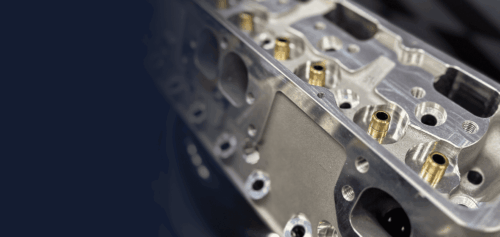
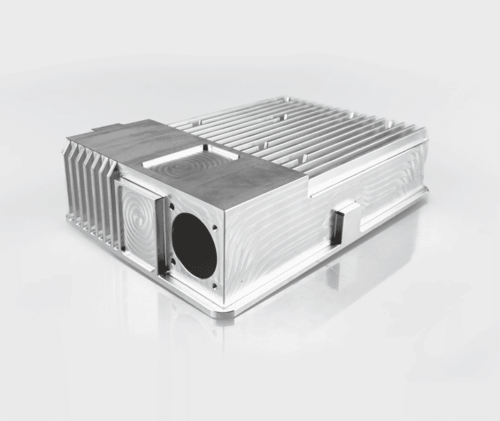
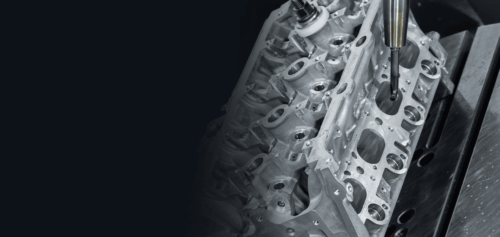
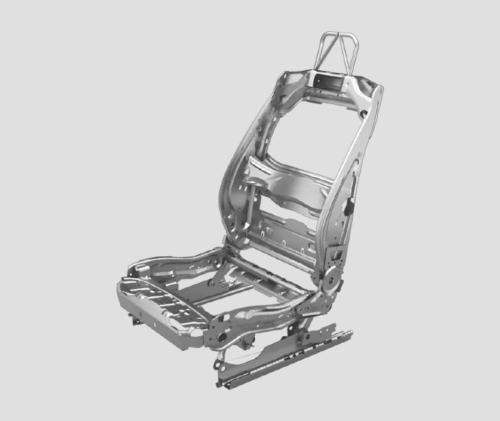
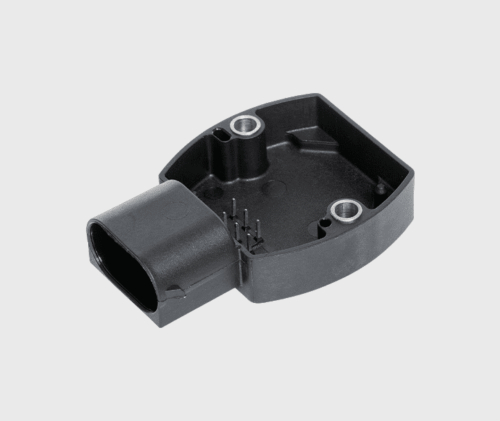
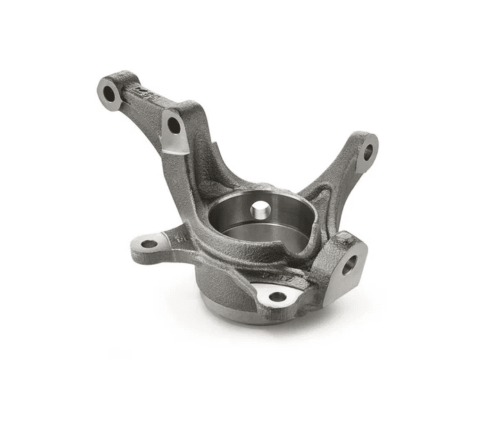
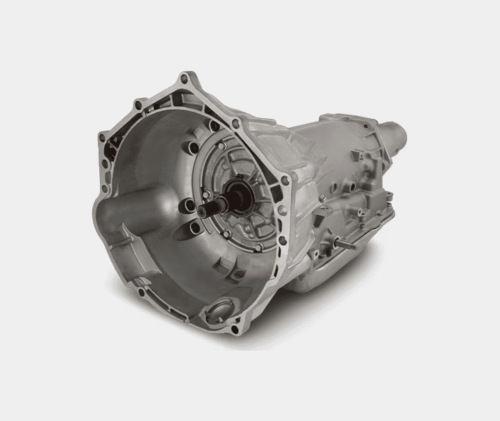
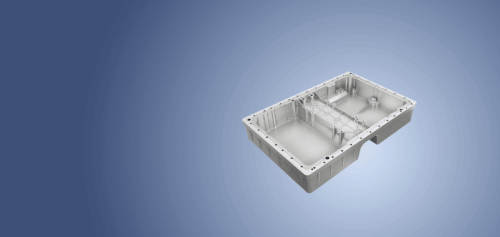
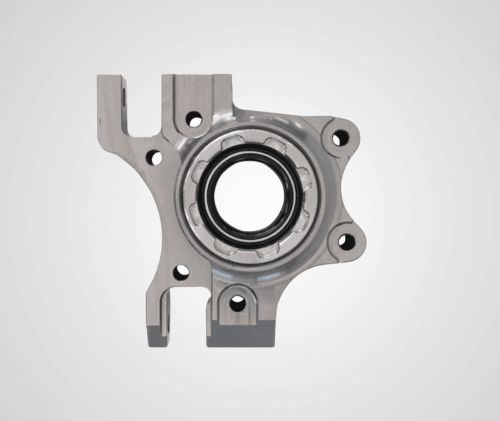
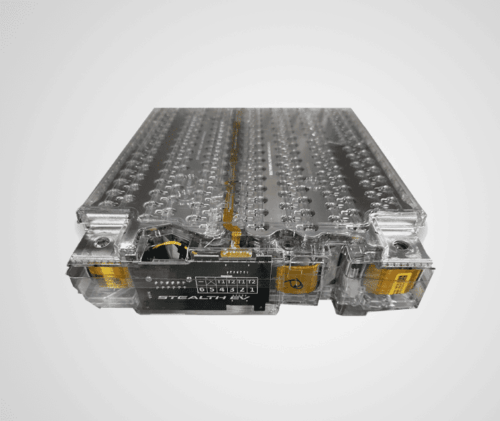
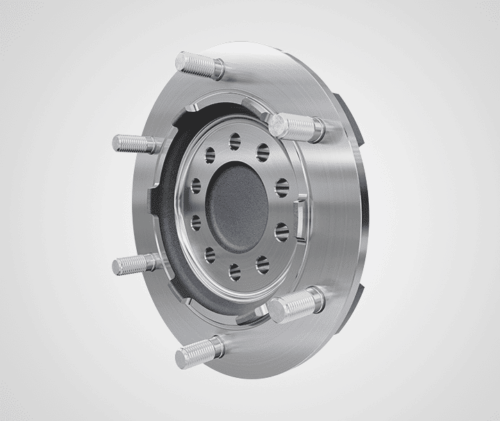
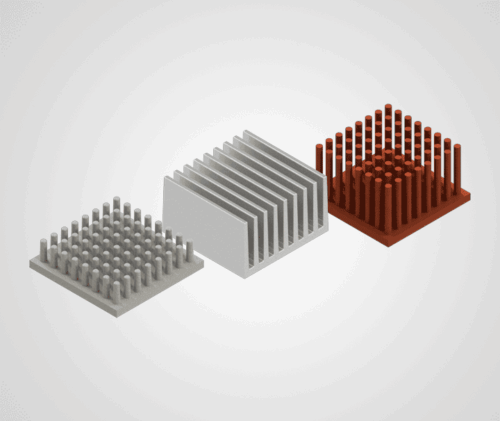
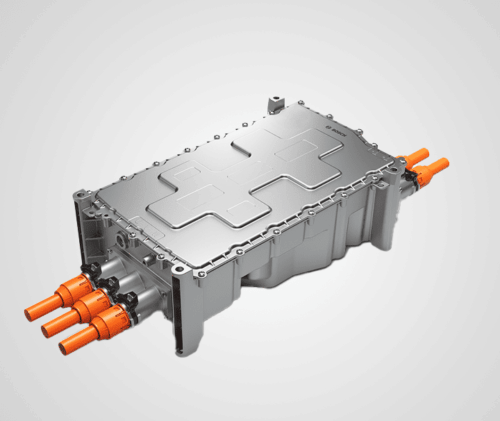
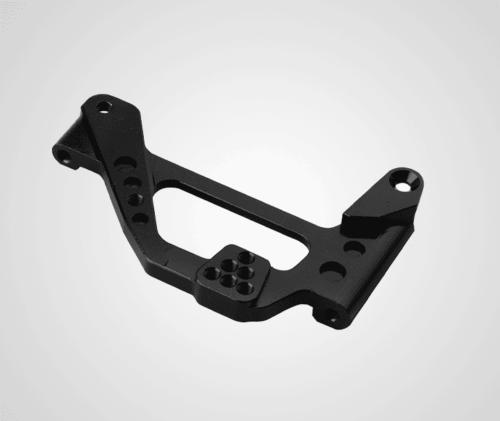
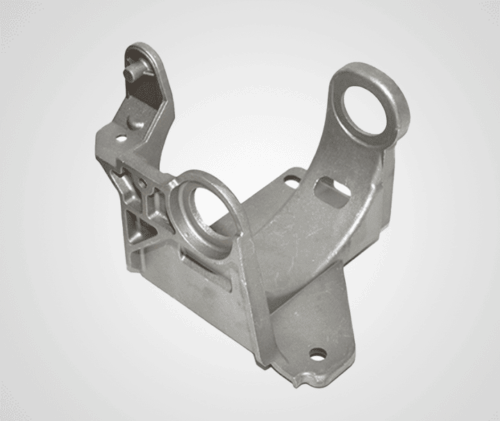

Fixture and sequence set at DFM, face measured on a CMM.

Each batch keeps its material traceability; reports on request.

Process route and inspection plan fixed at the pilot stage.
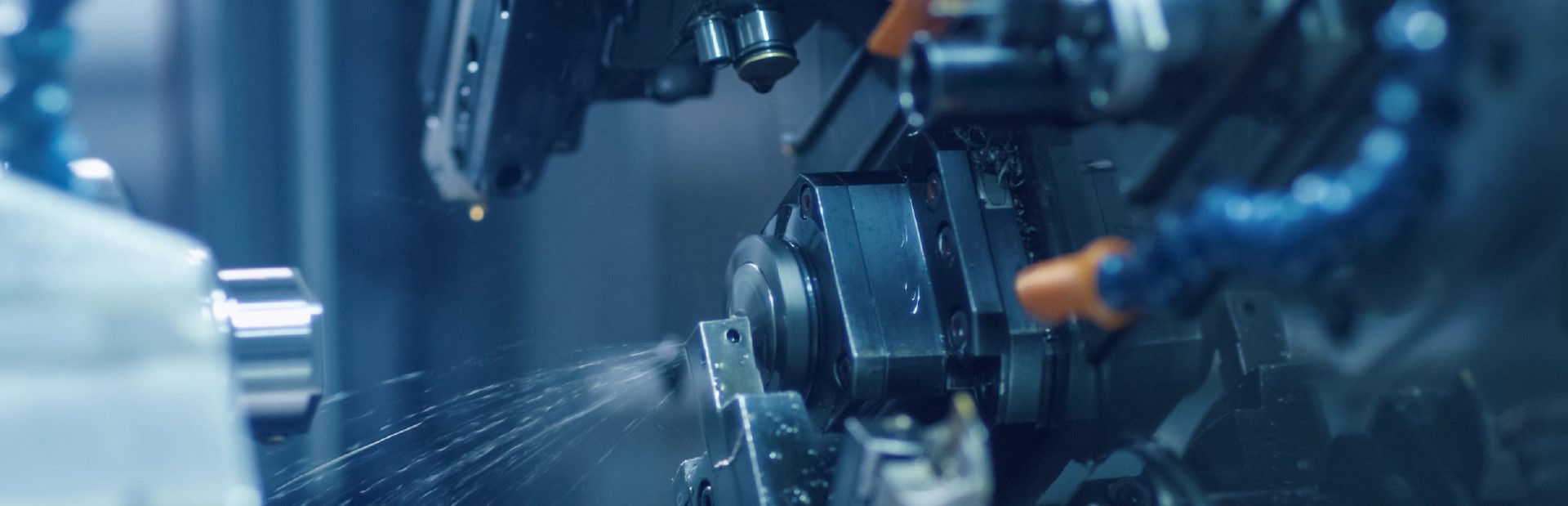
We integrate advanced machining, specialized materials, and surface finishing to deliver mission-critical parts that meet every rigorous automotive standard.
Fill out the form below and our team will get back to you promptly with a personalized quote tailored to your needs.