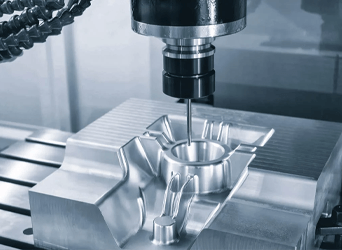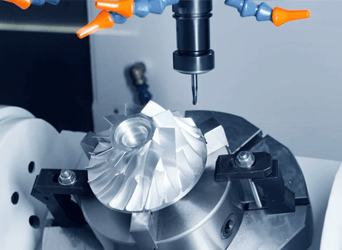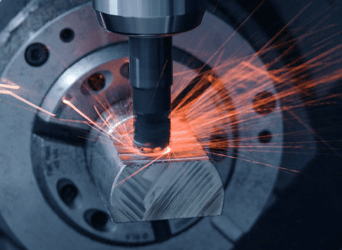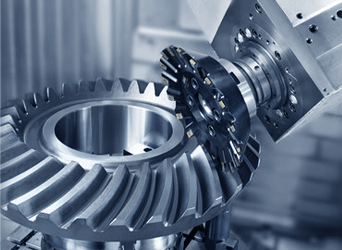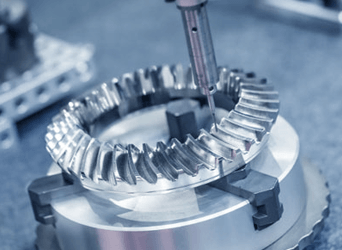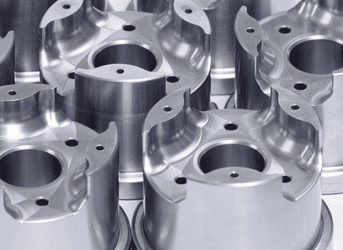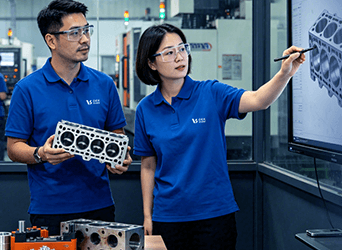
We machine each liquid cold plate to your drawing for OEM, Tier and EV power electronics programs. Flow channels and flat mounting faces, from engineering samples to repeat production.
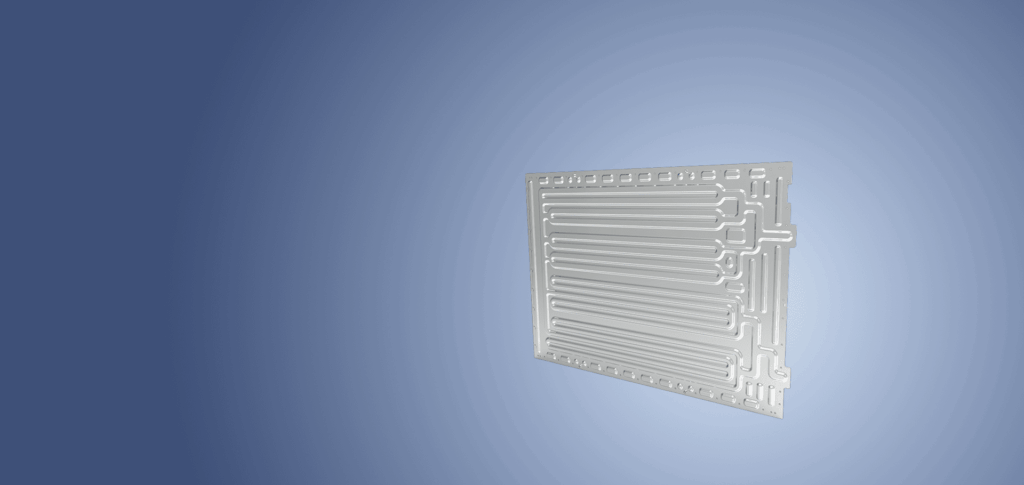
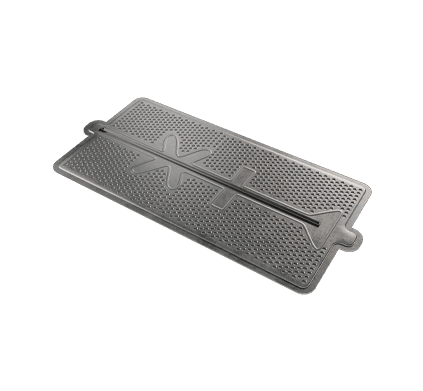
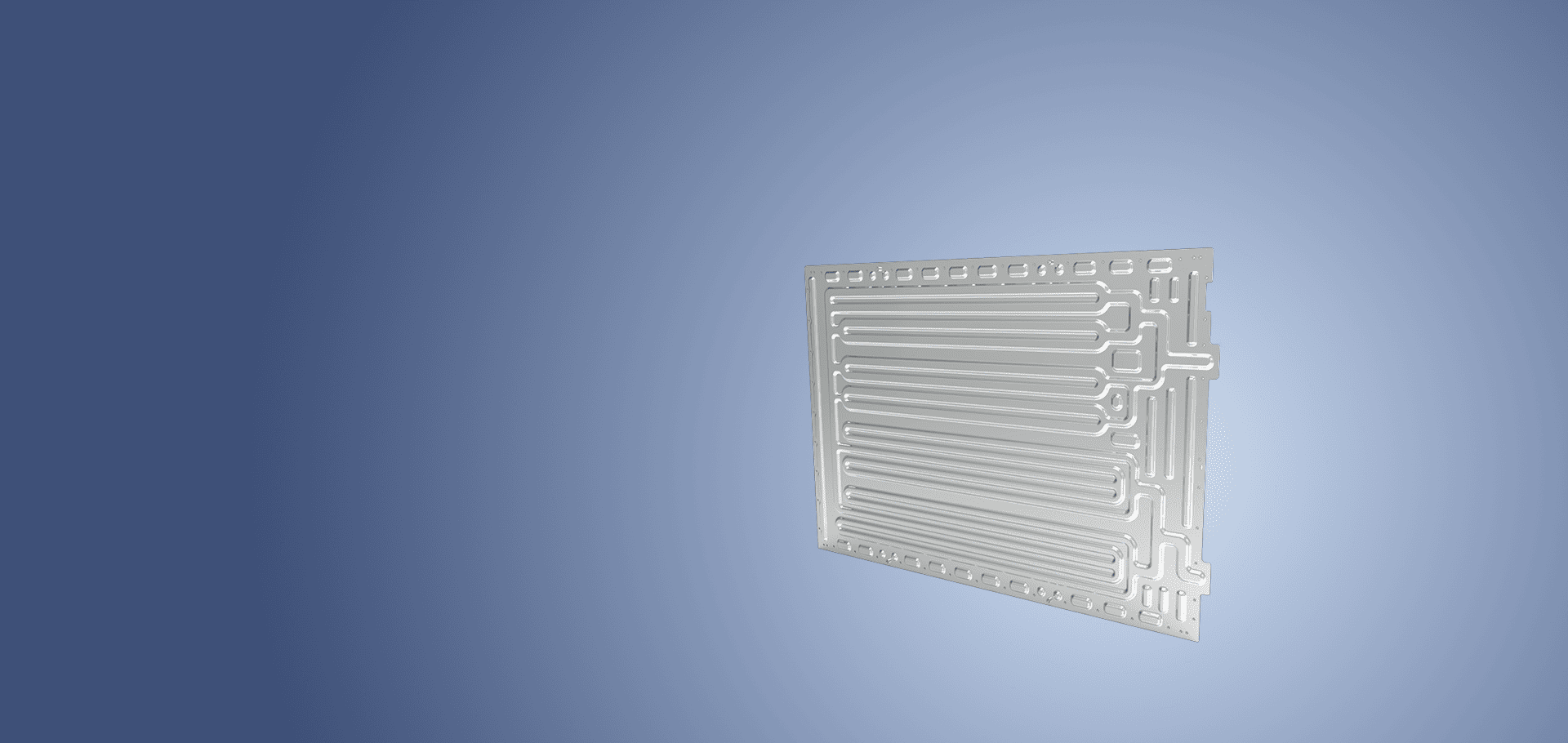
A liquid cold plate is a metal plate with internal coolant channels: the device mounts on its flat face and the coolant carries the heat away. We machine them to drawing for EV inverters, onboard chargers, DC-DC converters and battery modules, part of our EV components range.
OEM and Tier programs move from engineering samples and validation lots to pilot, low-volume and repeat production, with material traceability per batch and inspection reports on request, as set out in our order process.
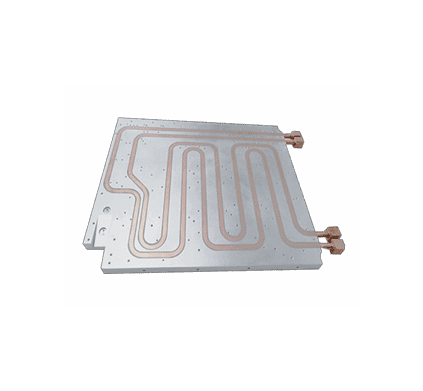
Serpentine or parallel channels are milled into the base and the lid is sealed with an O-ring and fasteners. Suited to medium to high heat flux, large flat plates and design changes between revisions; a fastened lid adds thickness and a seal to maintain.
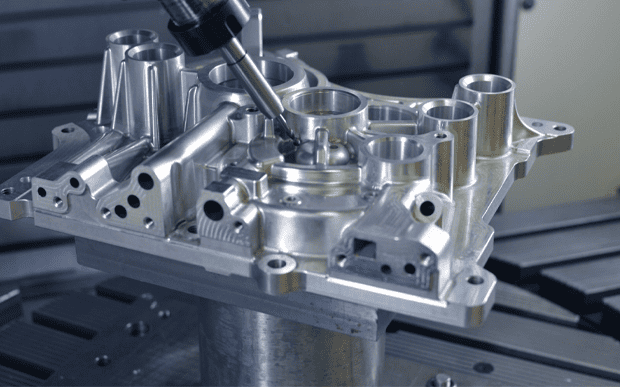
Straight passages are gun-drilled through a solid plate and closed with plugs. This gives simple, robust plates for low heat flux; paths stay straight and the surface area in contact with the coolant is limited.
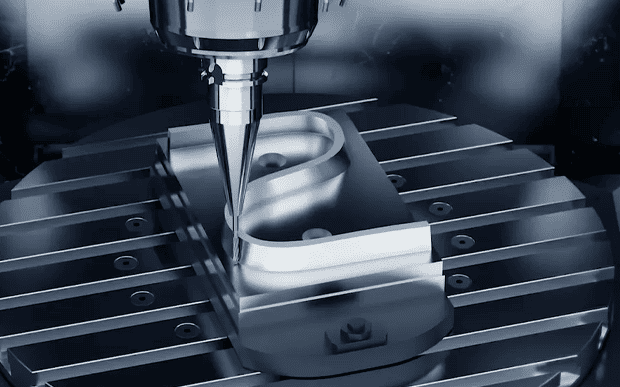
Copper or stainless steel tube is pressed into a grooved aluminum base, a low-cost route at moderate heat flux. Contact between the tube and the base limits thermal performance.
When the heat flux needs more surface area, turbulators, skived or folded fins and microchannels are added. We choose the construction from the heat load and heat map, the footprint and mounting pattern, the allowable pressure drop and the volume per stage.
For machined-channel plates: light, good conductivity, easy to machine and anodize. Hard anodizing or electroless nickel protects external surfaces where the drawing specifies it.
Higher conductivity for concentrated heat sources, at a higher weight. Copper and aluminum should not share a coolant loop without isolation: galvanic corrosion attacks the aluminum.
Used as the tube in press-in tube plates when the coolant is aggressive, pressed into a grooved aluminum base.
The table sums up what we machine and check; thermal targets, pressures and interface requirements come from your drawing and specification.
| Manufacturing Parameter | Technical Specification |
|---|---|
| Constructions | Machined channels and lid, deep-drilled, press-in tube |
| Materials | Aluminum 6061, 6063; copper C110, C101; stainless tube |
| Coolants | WEG 50/50, water and propylene glycol |
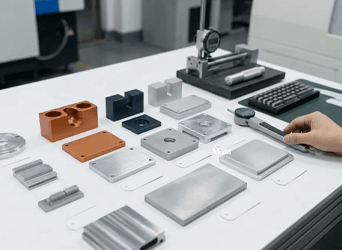
| Machined features | Module seat, mounting holes, O-ring grooves, ports |
| Finishes | Hard anodizing or electroless nickel per the drawing |
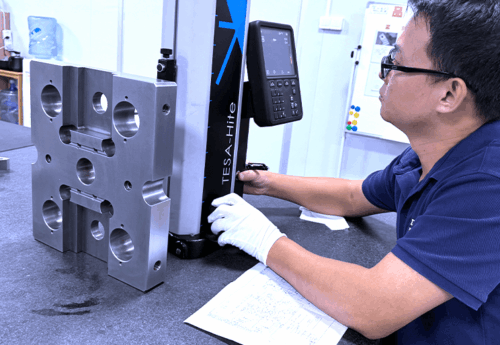
| Inspection | CMM check of face flatness and port positions |
| Documentation | FAI and inspection reports on request |
| Traceability | Material traceability per batch, laser part marking |

Construction and DFM feedback comes with your quotation.

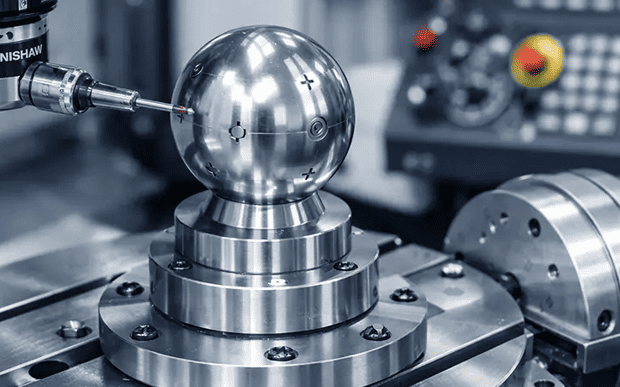
Face flatness and port positions are checked by CMM.

Engineering samples, validation lots, pilot and repeat production.
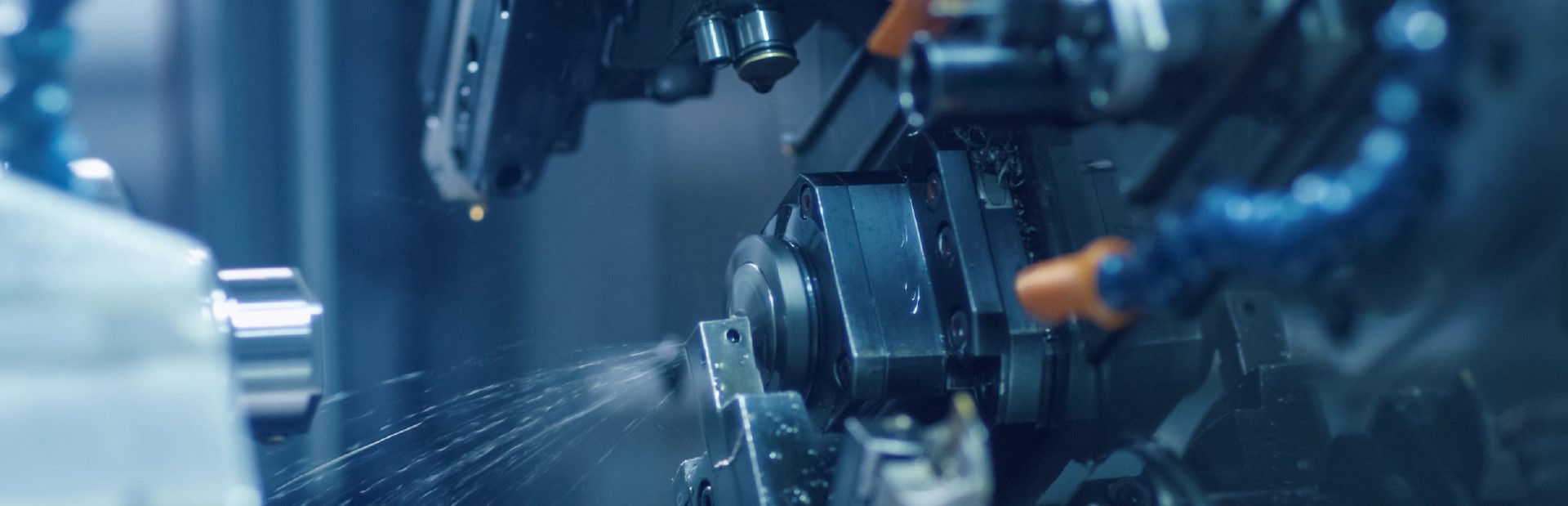
We integrate advanced machining, specialized materials, and surface finishing to deliver mission-critical parts that meet every rigorous automotive standard.
Fill out the form below and our team will get back to you promptly with a personalized quote tailored to your needs.