Kim • Published 21 2026 May
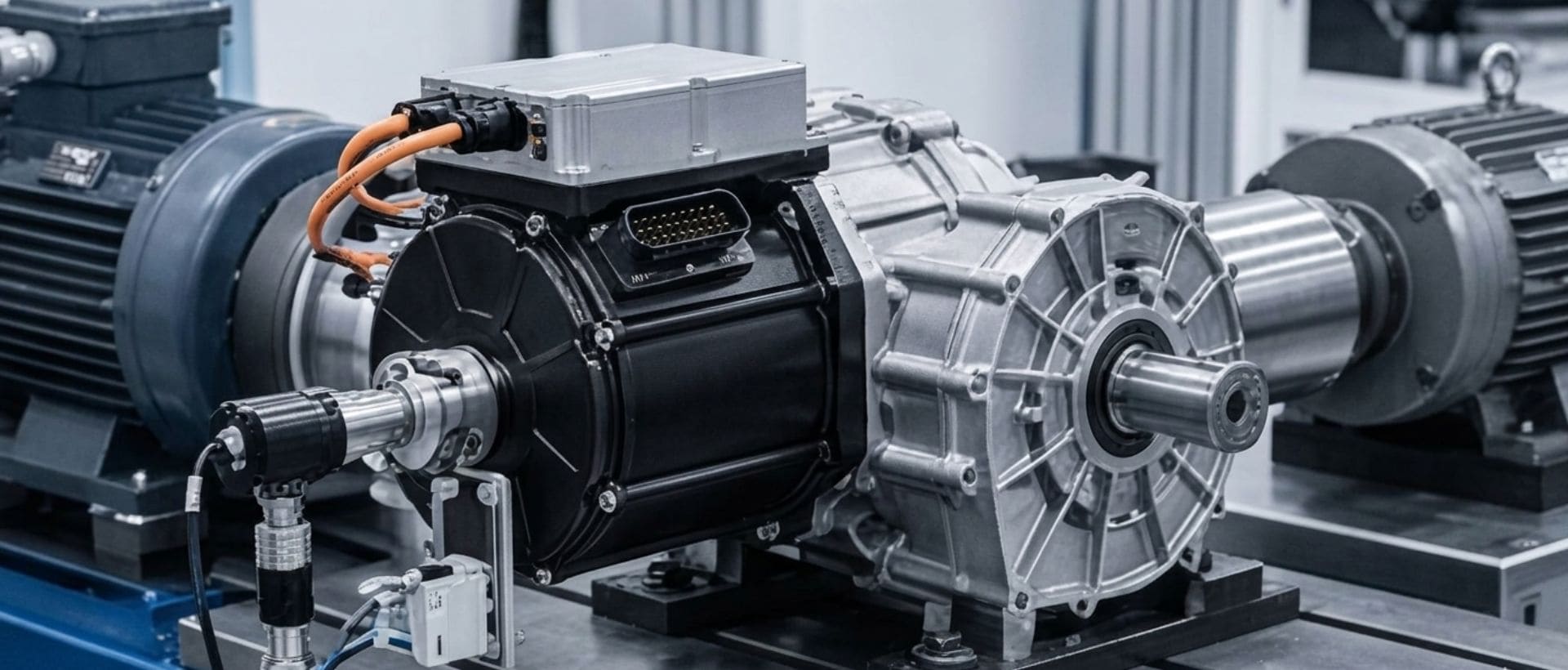
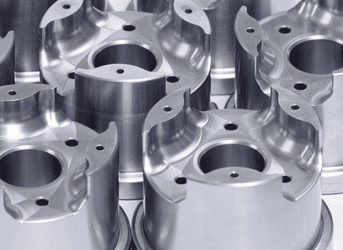
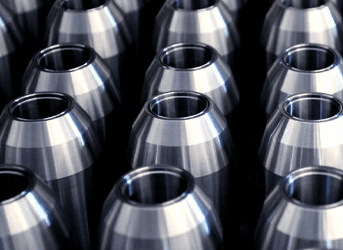
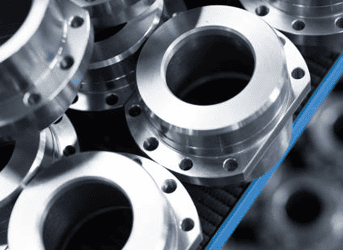
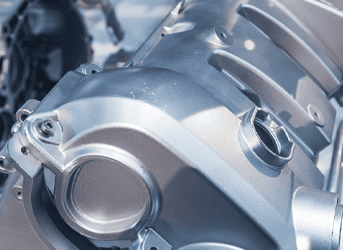
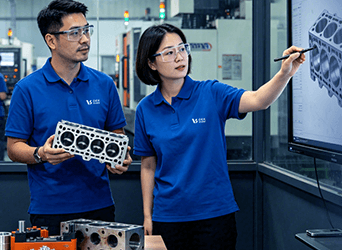
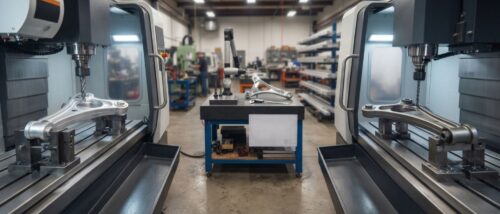
These housings are part of the EV components we machine to drawing.
Combining lightweight construction with mechanical durability entails high-performing propulsion systems. Producing EV motor housing focuses on how material removal achieves the right concentricity and thermal pathways for durability. Looking at the design constraints, we can ensure that the assembly is sufficiently acoustic and structural for modern mobility.
These components are the core pressure vessel and structural support of the drive unit, engineered to maintain the interference fit of the stator. The internal cooling jackets and bearing seats are integrated in such a way that they must remain perfectly concentric to prevent air gap misalignment. This enables effective dispersion of heat and the application of high torsional load during maximum acceleration.
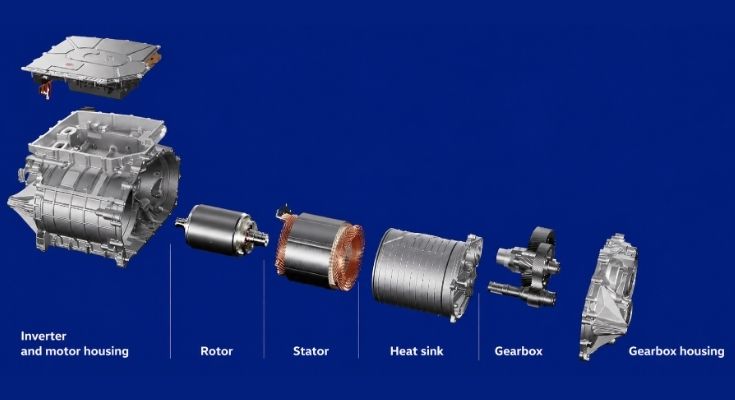
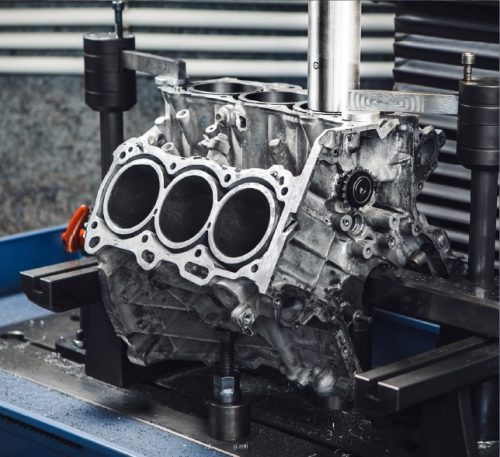
Eliminating long seams on the main body of monoblock structures provides the ultimate in torsional stiffness and leak-proof integrity. The construction of the components requires boring complex and precise internal holes to achieve the required interference fits to insert the stator.
By having various components, it is easier to fit the inner parts and machine complex bearing seats. The high-strength fasteners and precision-milled mating faces prevent misalignment and leakages even during the high-vibration conditions.
These designs have internal channels or cast-in tubes through which heat can flow directly between the motor and coolant. Through precision machining, the thickness of the thermal barrier wall is constant, eliminating thermal hotspots and ensuring the pressure rating of the structural wall.
Designed in such a way that the primary containment is separated from the mounting hardware. This allows for a scalable motor length and easier maintenance of the electromagnetic core. Our attention is given to the clamping and the precision of the interlocked interfaces to prevent the transfer of vibrations.
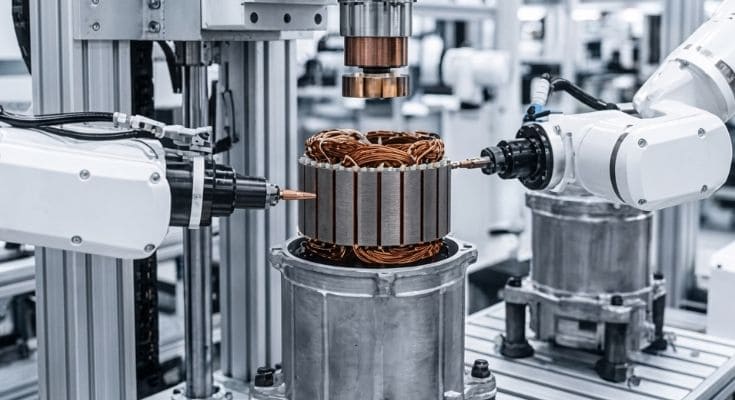
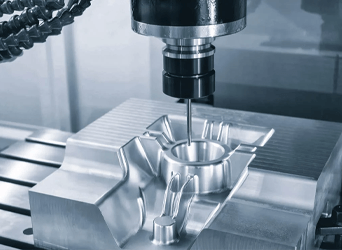
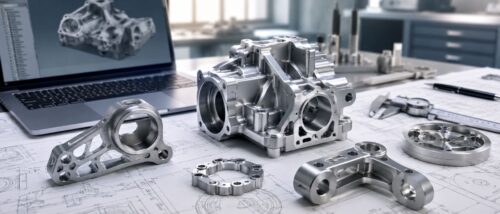
The teams convert CAD model into a tool path, taking care of the entry points and feed rates. This phase will define the tool geometry and sequence to maintain concentricity throughout the complex internal layout of the housing while minimizing cycle times and tool wear.
To alleviate stress that might lead to deformation during cutting in manufacturing, the deformation process is generally done. Hydraulic fixtures that are custom-configured help to hold the workpiece in an accurate and repeatable position.
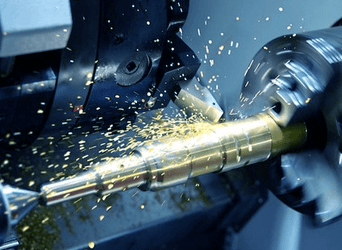
In this phase, heavy duty removal of material is done to shape the general profile. Monitoring of thermal output should be done closely so that the structure does not warp. This will leave enough stock for the next stages.
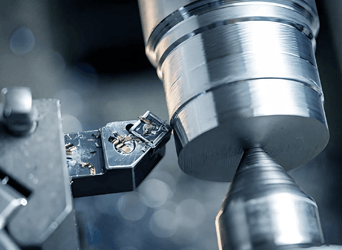
The internal diameters of the application are adjusted to near-final size, and the external mounting points are adjusted. This process stabilizes the geometry, ensuring that the critical alignment of the bearing seats and stator bore does not change before the finishing passes.
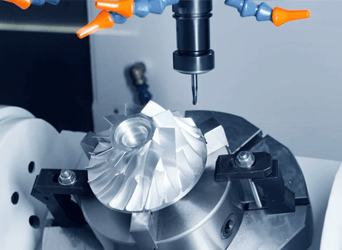
The high-speed spindles and diamond-tipped tooling allow micron-level tolerancing for the interference fit. The housing’s design is carried out keeping in mind the surface finish and circularity, so optimum thermal contact is ensured, and the axis of rotation is aligned perfectly.
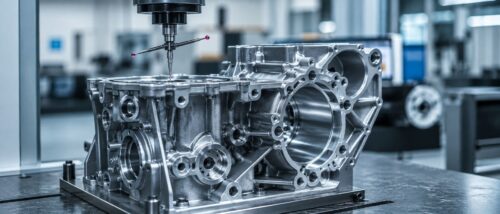
The residual chips and coolants from complex cooling galleries are removed by high-pressure washing, which is automated. The CMM analysis of EV motor housings proves that it meets all the dimensional specifications, so that it is fully structurally and functionally compliant for the electric drivetrain.
Aluminum Alloy: Aluminum 6061 or A356 is extensively used in the industry for its light weight, high strength-to-weight ratio, and thermal conductivity.
Magnesium Alloys: Selected for ultra-lightweight applications, possess high specific strength and excellent damping properties, but can undergo galvanic corrosion requiring special coatings.
Steel: Reserved for high-load or cost-sensitive applications due to its exceptional structural rigidity and magnetic shielding capacity. However, steel is heavy, so its use requires weight-mitigation engineering.
Copper: Mainly incorporated into the housing in high-conductivity inserts or as a heat sink. This copper allows for the rapid transfer of heat in localized hotspots to prevent stator overheating.
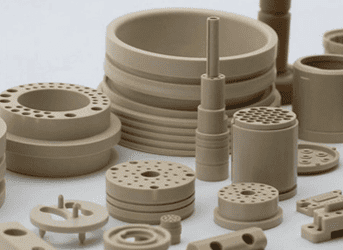
PEEK: High-performance thermoplastic for specialized bushings or structural insulators with extreme chemical resistance and mechanical stability under high operating temperatures.
Nylon: Glass-reinforced nylon is often used for non-structural covers or internal fluid manifolds to provide a lightweight, corrosion-resistant alternative for components not subject to high torque.
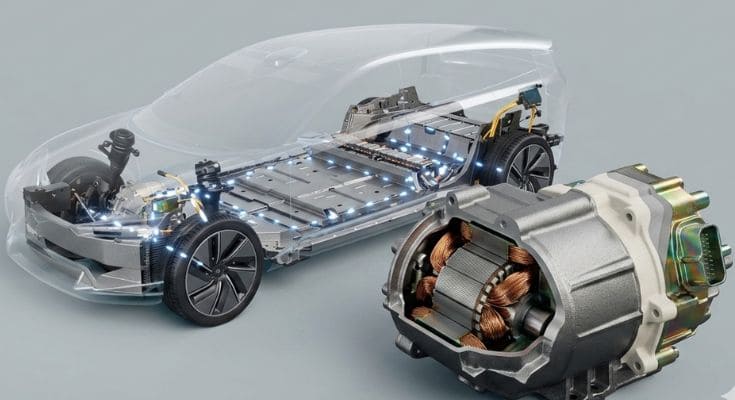
The conduits circulate glycol coolants at the stator interfaces. Machining ensures uniform wall thickness to create consistent pressure boundaries. It prevents the creation of localized hot spots, compromising the electromagnetic performance.
These shapes can be machined into the exterior or internal surfaces of the housing to increase the convective heat transfer surface area. The twisting shape helps achieve a turbulent flow of fluid, thus increasing the rate of heat transfer as compared to the linear design.
To eliminate microscopic air gaps between the stator and the housing, conductive compounds or special liners are applied. This decreases contact resistance, allowing thermal energy to flow quickly from the windings into the liquid-cooled structure for extraction.
This measures heat energy taken away per unit time, which varies depending on the material’s conductivity and speed of coolant flow. To avoid thermal throttling and allow for continuous peak power output, the drivetrain must maintain very high dissipation rates.
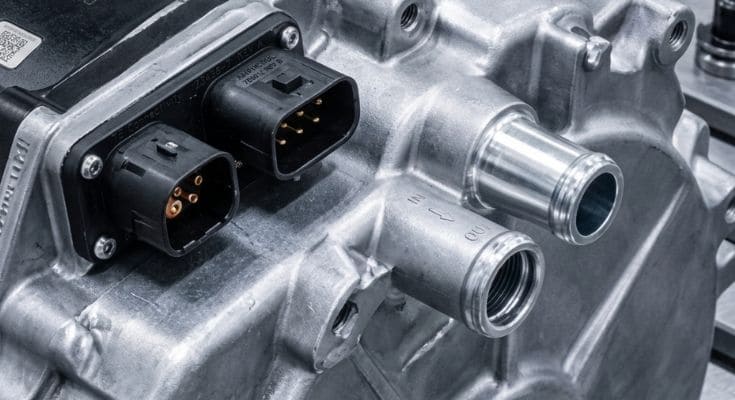
To achieve a uniform air gap between the stator and rotor, maintaining circularity in the micron range is essential. Precision boring processes are employed in the manufacturing of prefabricated motor hardware to minimize ovality.
A coaxial relationship is maintained between opposite bearing seats to prevent deflection of the shaft. Creating these features in a single operation keeps the rotational axis perfectly centered to avoid friction, heating, and the premature wear of the high-speed rotating components of the drivetrain.
For a hermetic seal and structural alignment with the gearbox, the mating surfaces of the housing must be perfectly parallel. By controlling parallelism tightly, we can prevent uneven loading on fasteners and seal potential leak paths for the internal cooling medium.
When developing toolpaths, consider the coefficient of thermal expansion of aluminum alloys. To make the housing achieve the required interference fit at operating temperatures, machining parameters are adjusted by calculating the dimensional shifts that occur during operation.
Through an electrochemical process, the aluminum oxide layer is applied to the housing. It prevents stray current leakages due to its excellent dielectric strength while also enhancing its resistance to abrasion, along with environmental corrosion in the exposed conditions of a drivetrain.
This thin coating, also known as chromate or non-chrome pre-treatment, improves the adhesion of paint and gives a base to resist corrosion. It maintains the housing’s electrical conductivity, which is essential for effective grounding and electromagnetic interference (EMI) shielding requirements.
Autocatalytic process deposits uniform nickel-phosphorus alloy over complex internal geometries. The uniform fill of the deep cooling channels ensures maximum protection against continuous cavitation and chemical damage.
High-velocity oxygen fuel or plasma spraying applies a small crystalline coating to high failure probability, high-friction components. This method is used to enhance thermal barrier properties, as well as to restore adequate dimensional integrity in the bearing seats, with high surface hardness.
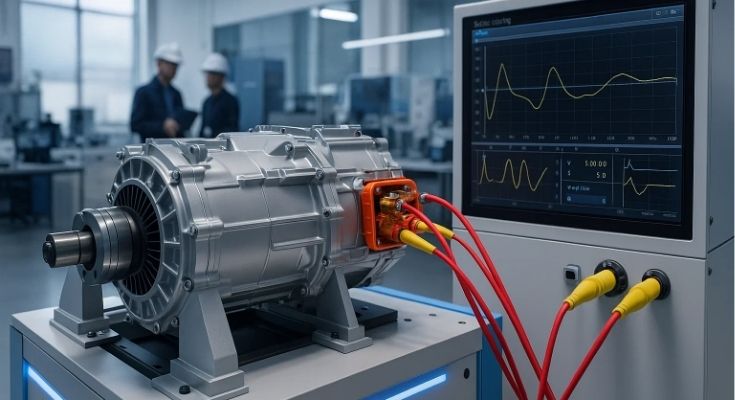
Assemblies that use integrated cooling jackets and seals receive hydrostatic or pneumatic testing for integrity verification. Thanks to this process, porosity and machining defects are eliminated, which prevents the coolant from entering the stator cavity.
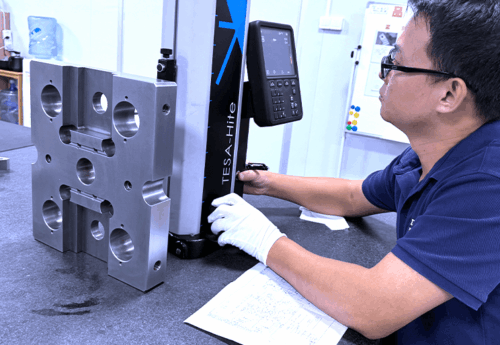
We check if the critical dimensions, such as the stator bore concentricity and bearing seat alignment, are within micron tolerances. This analysis automatically collects data to confirm the physical part’s conformity to the digital twin. It also ensures total mechanical interchangeability.
Housings are put through fast environmental testing in specific chambers to ascertain the performance of their surface treatments. The above proves that anodizing or conversion coatings can protect the aluminum structure from road salts and moisture throughout the vehicle’s service life.
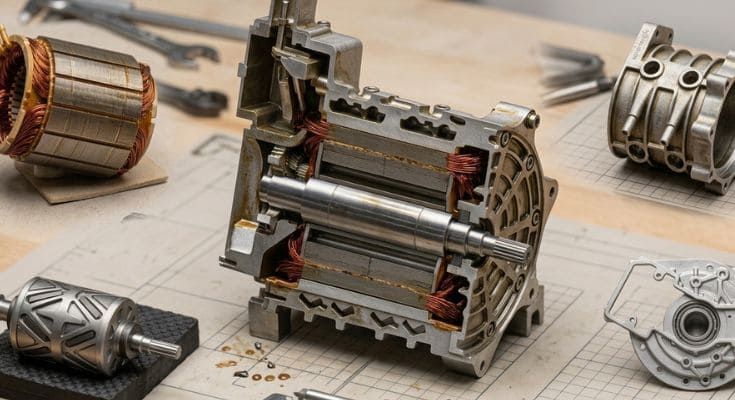
To avoid thermal-related and casting defects causing warping of the structure, a uniform cross-section must be maintained. The presence of the walls guarantees that cooling rates are predictable, and stress concentration is locally limited during the high pressure interference fit of the stator.
The vertical walls are designed with specific tapers to enable the easy ejection of the housing from casting molds or machining fixtures. To guarantee that internal faces meet the specified perpendicularity after the machining process, these angles should be balanced with the final machining allowance.
Placement of openings allows for the routing of high-voltage wiring, thermal sensors, as well as connectors for fluids. To ensure that the housing remains hermetically sealed and structurally stable, and that the internal electromagnetic elements are not disturbed, these ports shall be reinforced.
The housing’s stiffness-to-weight ratio is improved, and resonant frequencies are damped by using internal or external ribbing. The features work to combat the motor’s high torsional loads and act as secondary dissipators to improve overall dissipation.
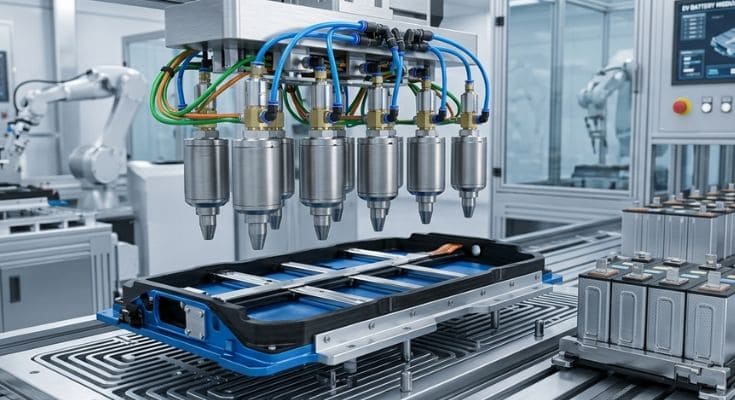
This technique incorporates directed energy deposition into precision CNC milling to manufacture complex internal cooling geometries not feasible with castings. By focusing on materials only where they are structurally required, it minimizes lead time as well as integrates multi-metal thermal paths.
Structures with no excess weight and maximum torsional stiffness, generated with advanced algorithms that drive the load paths. The mathematically derived shapes are polished using high-speed machining to enable the housing to meet next-generation drivetrains’ vibration and noise standards.
Upcoming designs feature machined enclosures intended for the embedding of either fiber-optic or acoustic emission sensors to continuously monitor the stator health. Through these precision locations, the motors will enable predictive maintenance as they receive high-fidelity data on thermal expansion and the electromagnetic flux on the core.
The industry is moving towards closed-loop manufacturing using high-performance secondary aluminum alloys with almost primary-grade mechanical properties. The recycled material will be processed to create the EV motor housings with tighter structural properties in advanced machining processes with a significantly lower carbon footprint.
The enhanced EV motor housing manufacturing will significantly boost the efficiency and thermal performance of the drivetrains. It is possible to achieve next-generation electric mobility tolerances that are at the micron level with precision CNC machining and innovative materials.
Skilled engineering and high-speed production can ensure structural strength and heat dissipation. Contact AutoCNCParts to leverage our machining solutions and technical expertise for your EV components.
Kim oversees engineering operations, including complex CNC programming, DFM reviews, and solving challenges associated with high-precision automotive components. He specializes in strict tolerance control and multi-axis machining of complex geometries essential for powertrain modules, suspension systems, and ADAS sensor housings. Outside of work, he enjoys the precision and strategy of playing snooker.
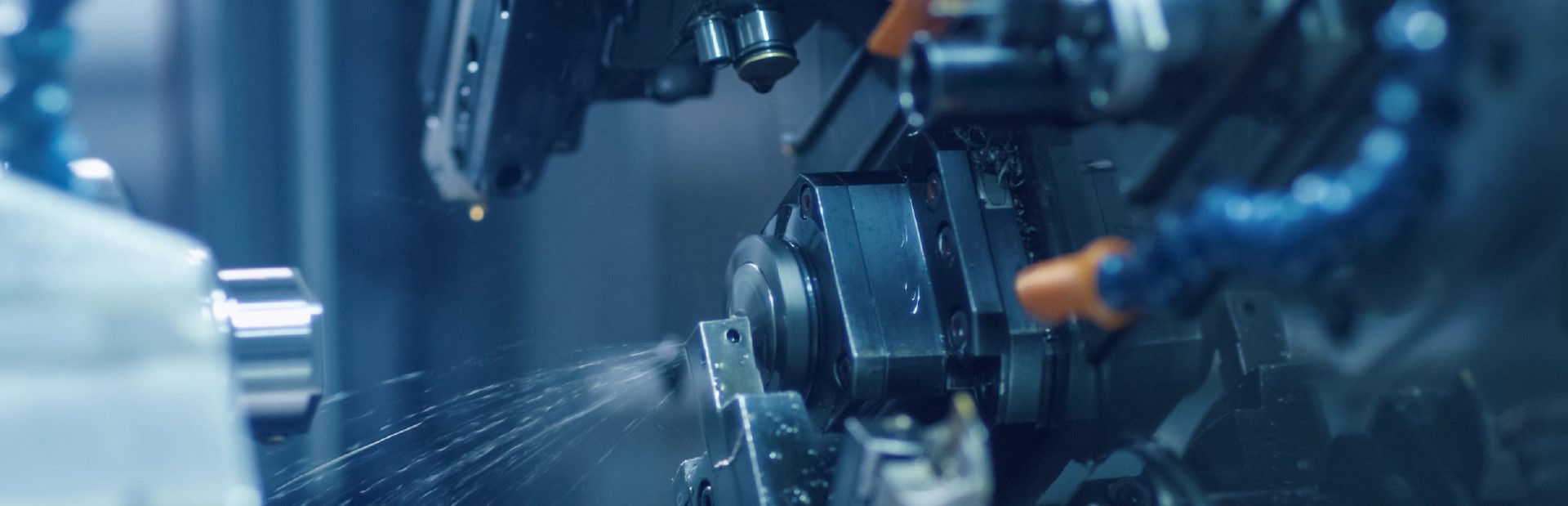
We integrate advanced machining, specialized materials, and surface finishing to deliver mission-critical parts that meet every rigorous automotive standard.
Fill out the form below and our team will get back to you promptly with a personalized quote tailored to your needs.