Bin • Published 22 2026 May
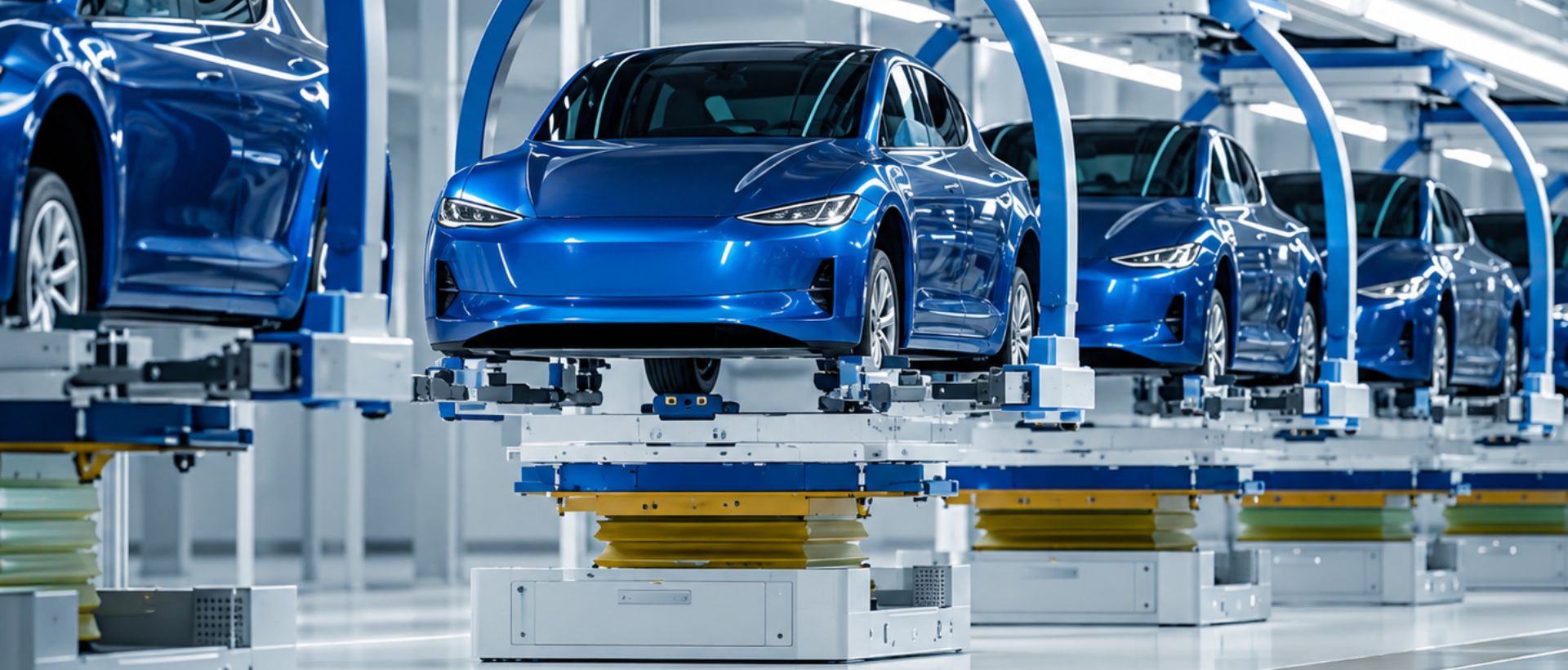
The machined scope is grouped under electric vehicle components.
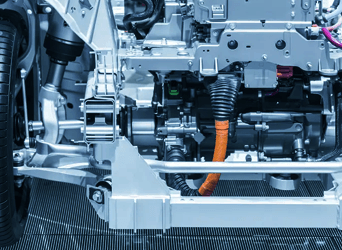
An Electric Vehicle requires high-performance, precise, and durable components to function effectively. Precision machining helps ensure that complex auto parts are accurately produced to meet exact tolerances, align or fit together properly, and maintain safety and reliability. In this blog, we explore the role of precision machining in EV component manufacturing.
An electric vehicle is a car or vehicle that uses electric motors powered by energy stored in a battery rather than an internal combustion engine. As such, most EVs require thermal management systems and power electronics components, which can be achieved with precision machining rather than exhaust units.
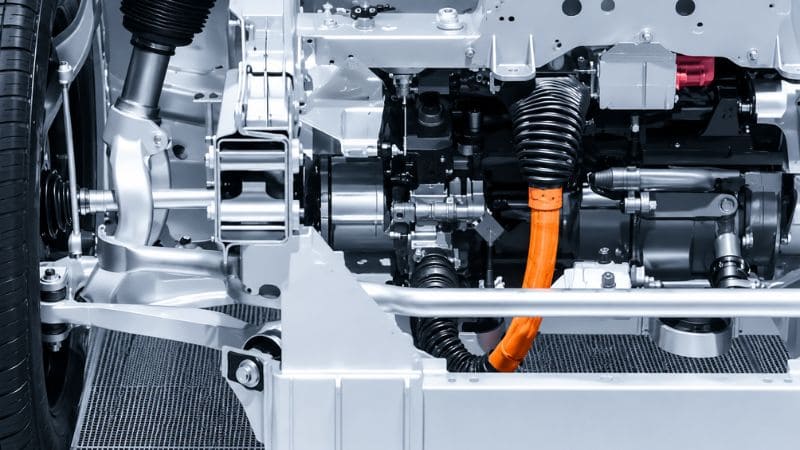
Precision EV manufacturing process comes with a lot of benefits, as explained below:
Precision machining helps achieve a lightweight EV component with tight tolerances up to 0.005mm. Unnecessary materials are eliminated while still maintaining strength. This ensures the overall weight of the vehicle is within normal range
Electric motors usually function at high speed within 15,000 to 20, 000 RPM. As such, the motor components, like the shaft, must be machined accurately for efficiency and good performance.
Any error or deviation can result in wear, friction, or misalignment that affects the life span.
Eliminating noise and vibration is important for EVs. Tight tolerance machining ensures components are produced to smooth surfaces and adequate fittings, thereby preventing noise and vibration.
EV components like the frames and battery housings must also be designed to be strong and durable. Precision machining helps ensure that components distribute forces evenly and maintain strength in high-stress operations without failing.
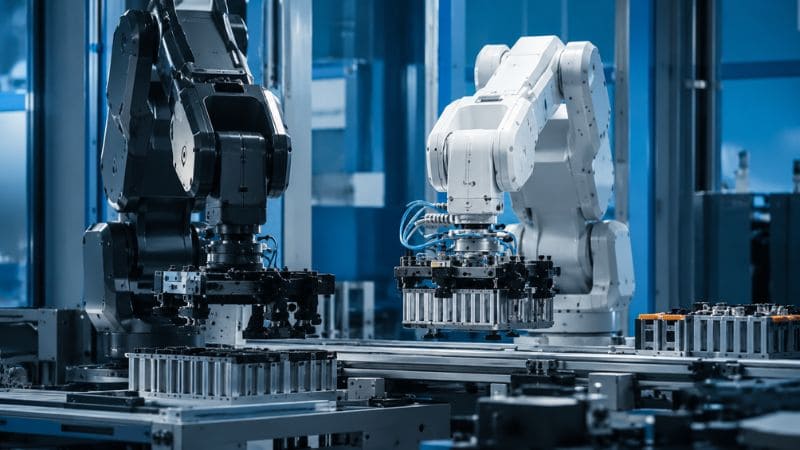
As an EV component manufacturing company, here are some methods we use for production.
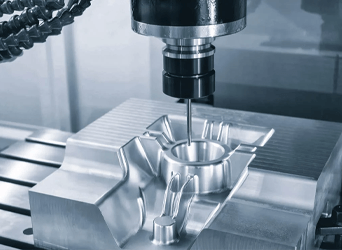
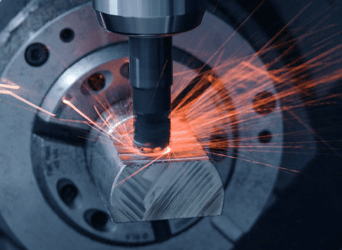
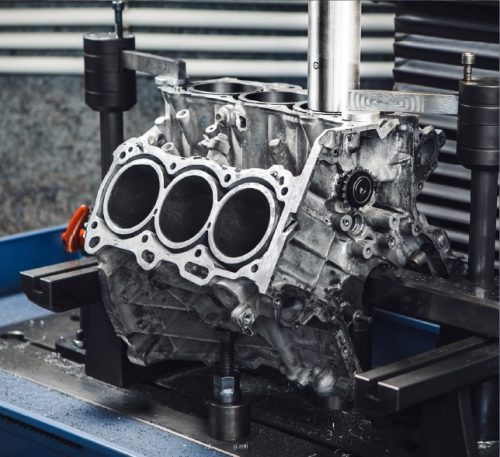
This uses computer-controlled cutting tools to remove material from a workpiece to form the part. It is suitable for complex parts like battery trays and inverter housings, and it ensures consistent precision and smooth surface finish.
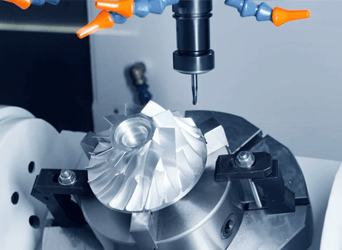
This allows the cutting tool to move in five different directions in one single setup, so as to produce complex geometry parts. The process eliminates error as there’s no need for repositioning, and it’s perfect for EV parts like cooling channels, motor housings, etc.
Wire EDM machining uses a thin, electrically charged wire to cut through a conductive metal to achieve a highly accurate component.
This technique prevents error or distortion as it is a non-contact method. It is suitable for intricate internal corners and EV sensors’ fine details.
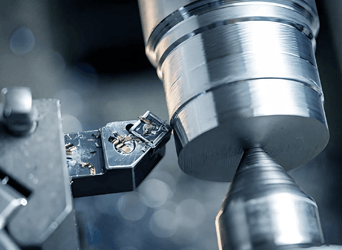
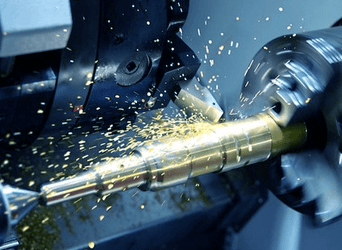
CNC turning uses a computer-controlled lathe and cutting tools to remove material in order to create cylindrical automotive components like shafts and connectors. The method produces highly accurate, consistent parts with smooth finishes.
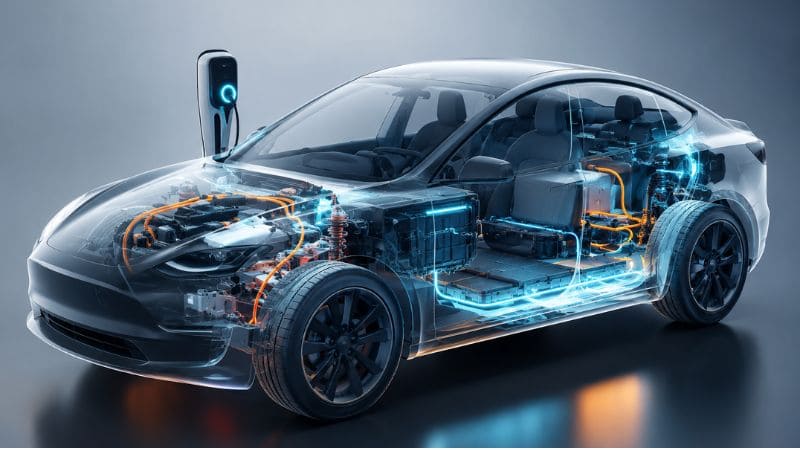
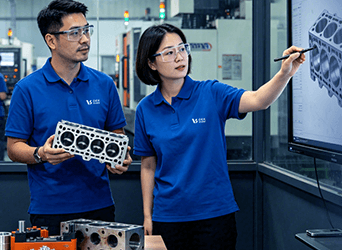
The EV manufacturing process starts with the digital design and validation. Using DFM principles, engineers strategize how to efficiently produce parts.
Best manufacturing methods for complex components are noted while ensuring strength and lightweight. Potential issues are also observed here before actual production.
Once the digital design is validated, the actual prototype is produced and tested in real conditions. Components undergo testing like thermal cycling, pressure, and stress testing, etc. This helps confirm they don’t crack or fail in a critical operating environment.
Here, iterations are made based on the data gathered from the testing stage. This can happen many times till the perfect components with the required tolerance level and design requirements are obtained.
At this stage, EV manufacturing companies produce small batches to ensure the whole process is repeatable and reliable. This helps confirm that the components can be effectively produced in large volumes while maintaining quality consistency.
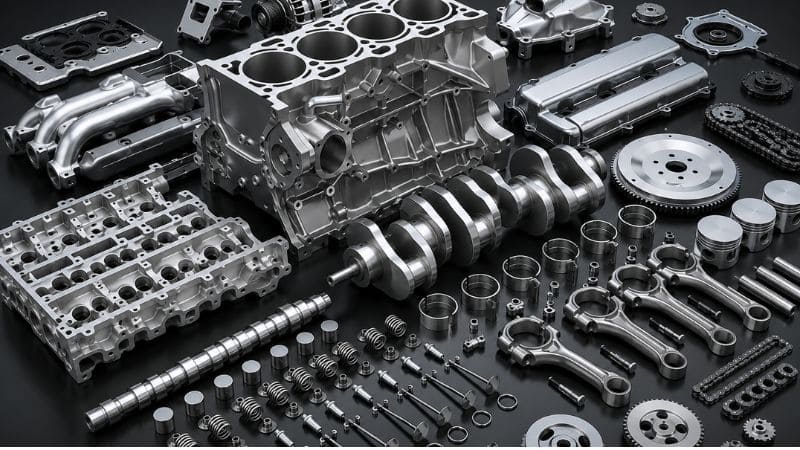
This transmits power from the motor to the wheels. As such, they must be designed with high strength and precision. CNC turning and precision grinding often help achieve a surface roughness below 0.4 microns.
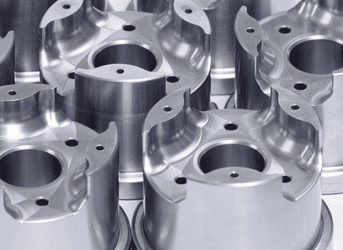
These are enclosures that prevent electronic parts from extreme conditions, ensuring they maintain safety and performance. The housings are usually produced with intricate internal channels to aid cooling and protection
Power electronic bases are produced with aluminum or copper, and they help manage heat. They, however, require tolerances within 0.002mm to ensure perfect contact with the heat sinks.
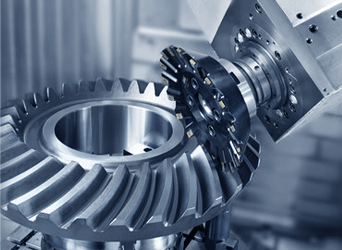
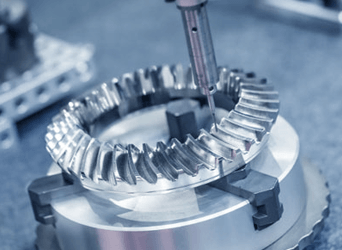
Hobbing and grinding techniques help achieve accurate gear teeth and smooth surfaces. This is important for adequate gear fitting, reducing friction, vibration, wear, etc.
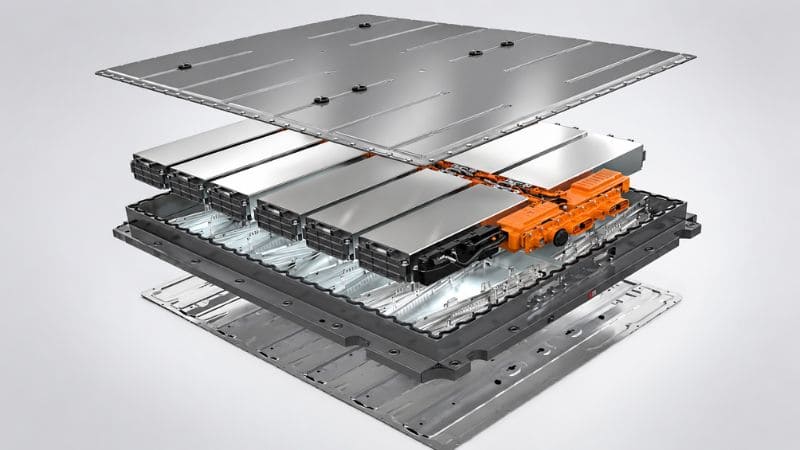
This holds the battery in position and must be strong and precisely machined for safety and to provide support. Materials like aluminum 6061 and 7075 are thus used.
Thermal plates manage the temperature of the battery and must be accurately produced for effective heat transfer and battery functioning.
These help connect battery cells. They are usually produced with copper or nickel-coated alloys, and they must be perfectly positioned for effective electrical flow.
The module frame helps hold the battery cells together, ensures stability, and provides protection to the cells. Materials like aluminum, PEEK, stainless steel, etc are used.
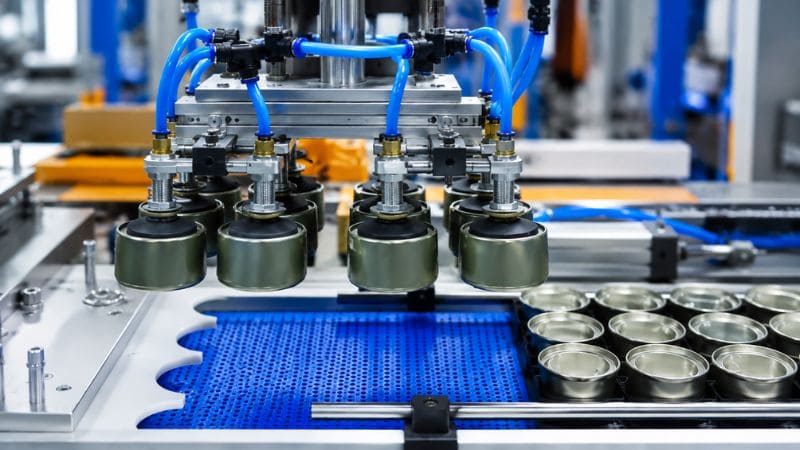
Aluminum offers great strength and lightweight, which makes it suitable for EV components. This also helps reduce the overall weight of the vehicle and enhance efficiency.
Beyond that, it is easy to machine, provide corrosion resistance, and thermal conductivity. Alloys like 6061 and 7075 are used for battery trays and motor housing.
Titanium is also valued in EVs for its high strength, low weight, and corrosion resistance.
It is used for components that must withstand extreme stress, like fasteners and suspension components. While it is more difficult to machine than aluminum, it offers high durability, which makes it applicable for structural EV parts.
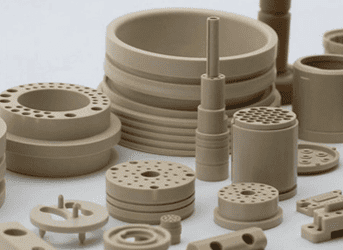
PEEK is a high-grade plastic used in EVs because of its strength, temperature resistance, and electrical insulation. As such, it is valuable for seals, connectors, etc. It is also chemical-resistant and very durable.
This is usually used for EV components that require high strength and corrosion resistance.
It is also highly durable, chemical-resistant, and can withstand extreme environmental factors. With that, it is used for battery housings, connectors, etc.
Carbon fiber is another material used in EV component manufacturing due to its unique strength and lightweight. While they aren’t easy to machine, they are useful for high-performance EVs where high durability and weight reduction matter.
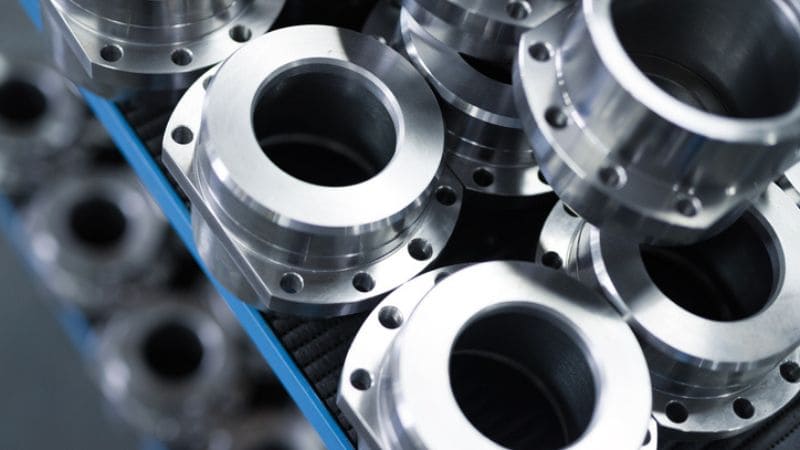
Many EV components require tight tolerances with a 0.005mm range and better. Precision CNC machining process helps achieve that even in complex designs. This ensures parts fit together perfectly.
GD&T helps define the size, orientation, and location of features on a part, ensuring that it meets its exact precision and design requirements. As such, it helps part fits well when assembled.
Many materials expand and contract with temperature changes during machining. Using coolant and maintaining a stable environment within 20 degree celcius helps ensure adequate part fit and performance.
As an EV component manufacturing company, there are a number of quality standards we maintain to ensure compliance.
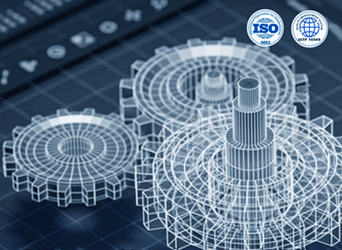
IATF 16949 international quality management standard for the automotive industry. It ensures that EV component suppliers adhere to consistent processes, eliminate defects and waste, and improve efficiency while producing quality products.
Material traceability also provides information about how and where each material is sourced.
With a Mill Test Report, the chemical composition and strength of each material are recorded. All of these help manufacturers easily track a material source if a component has a defect or issues.
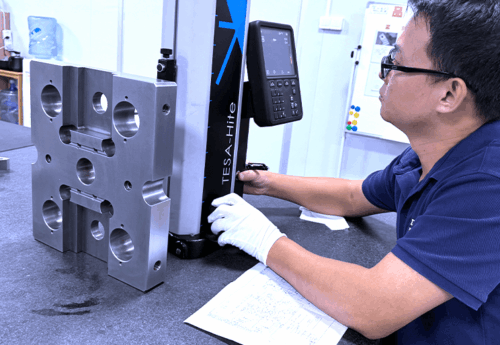
With advanced tools like Coordinate Measuring Machines and non-contact laser scanners, the dimensions and tolerances of components are verified. This is important for gear and motor shafts, where a little deviation can lead to vibration and failure.
Selecting the right EV component manufacturing company involves considering factors like:
A reliable EV component manufacturing company should have deep engineering expertise. They should offer DFM, understand advanced manufacturing techniques and materials, be able to handle complex geometries effectively, and so on.
They should also be able to easily help scale from prototyping and small-scale production to large scale. Beyond that, a consistent quality and delivery schedule must be maintained.
Also, selecting a manufacturer that could help speed the prototyping process, as required, is key. The company must be able to provide iterations quickly so that the time to market isn’t delayed
Quality management systems also matter. Check if they are compliant with IATF 16949. Material traceability, an inspection process like CMM, and adequate documentation are important.
From the electric motors to battery components, precision machining helps produce complex, intricate designs, helps parts maintain performance and safety, and enables effective alignment.
AutoCNCParts deals with producing simple and complex automotive structures from transmission gear parts, inverter housings, suspension brackets, heat sinks, and so on. Whether you require a few pieces or large volume orders, we deliver globally. Our processes are completely documented and inspected, and we ensure ISO 9001 and IATF 16949 compliance. Contact Us Now.
Bin manages daily shop-floor operations, ensuring maximum efficiency and workflow coordination across our CNC machining centers. With deep expertise in custom tooling and rigid workholding for automotive-grade alloys, he ensures every milled and turned component meets rigorous vehicle development schedules. In his free time, he seeks inspiration through outdoor exploration.
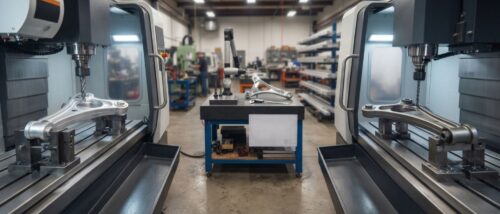
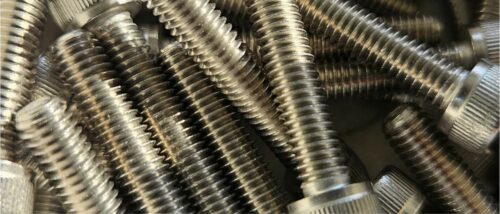
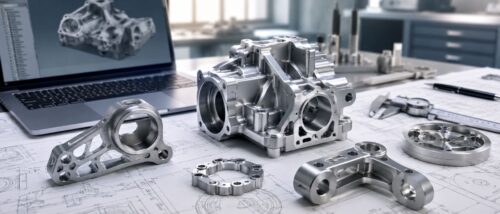
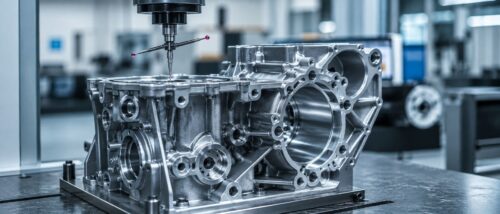
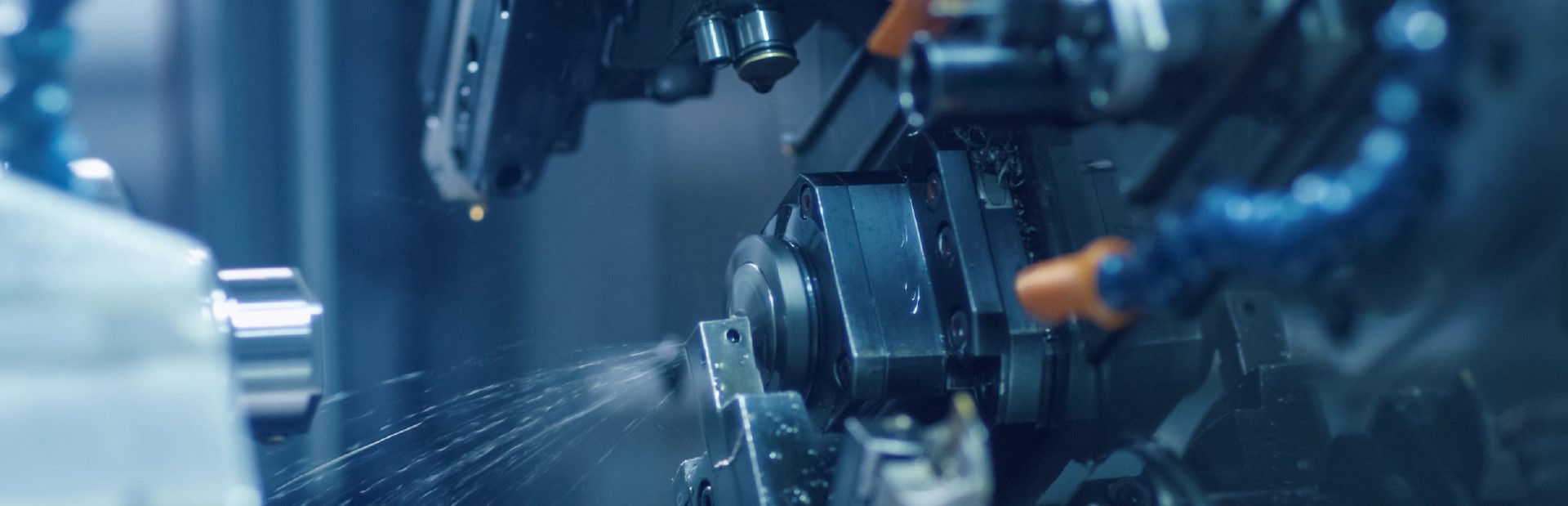
We integrate advanced machining, specialized materials, and surface finishing to deliver mission-critical parts that meet every rigorous automotive standard.
Fill out the form below and our team will get back to you promptly with a personalized quote tailored to your needs.