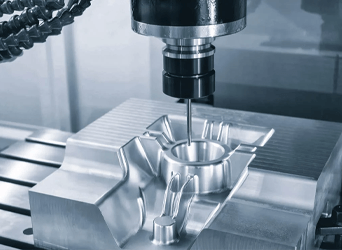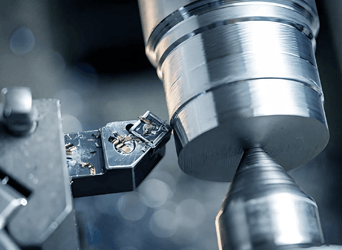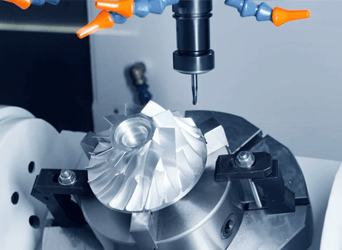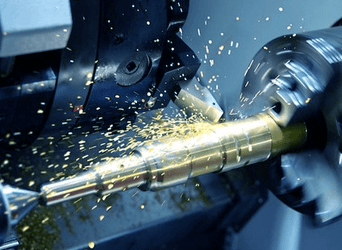
Manufacturing precision automotive shafts with controlled straightness, concentricity, and surface integrity for transmission, steering, motor, and pump system applications.


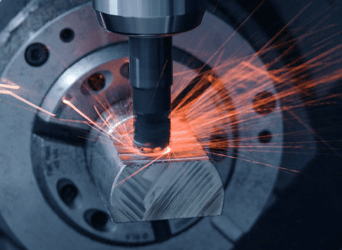
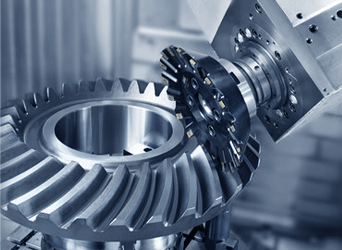
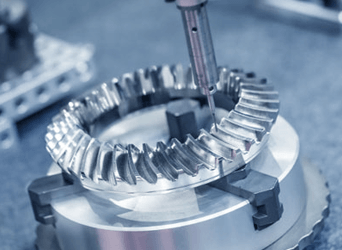
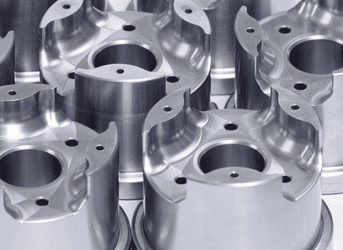
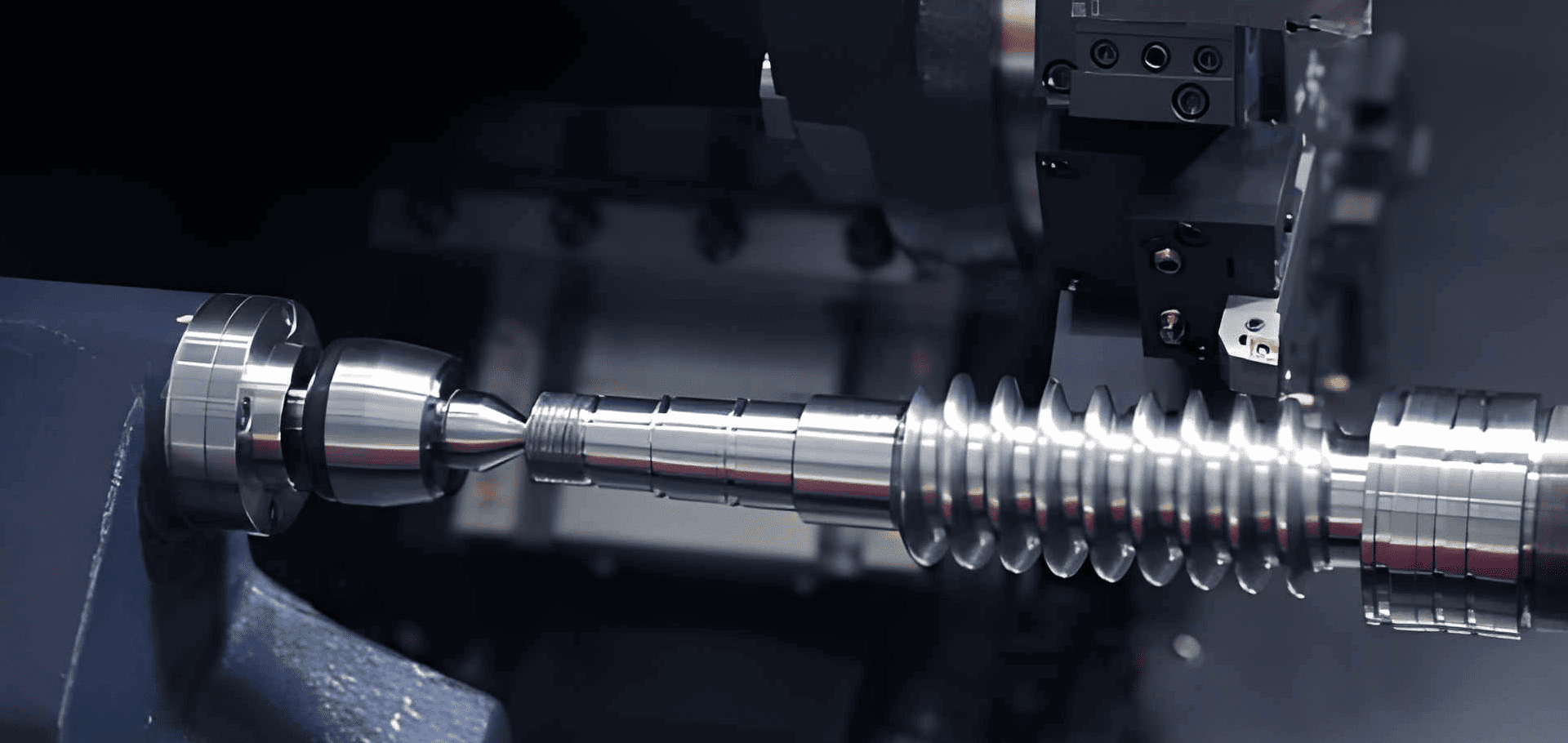
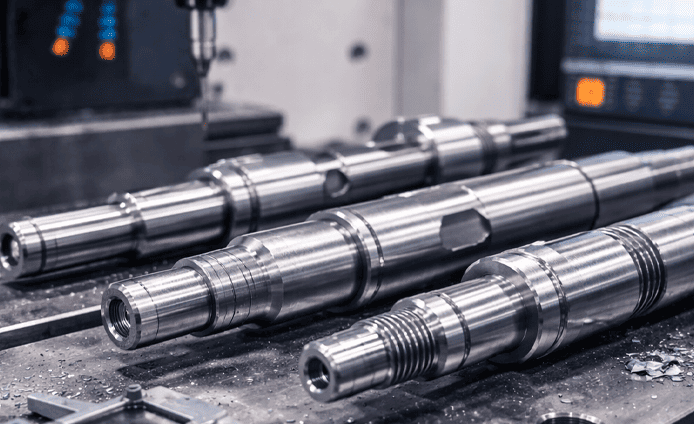
DEK Automotive machines precision shafts for automotive rotating systems using CNC turning, centerless grinding, spline machining, and secondary finishing processes. We manufacture motor shafts, transmission shafts, steering shafts, and rotor components with stable dimensional consistency for both prototype development and scheduled production orders.
Maximum Shaft Length
Maximum Diameter
Positioning Accuracy
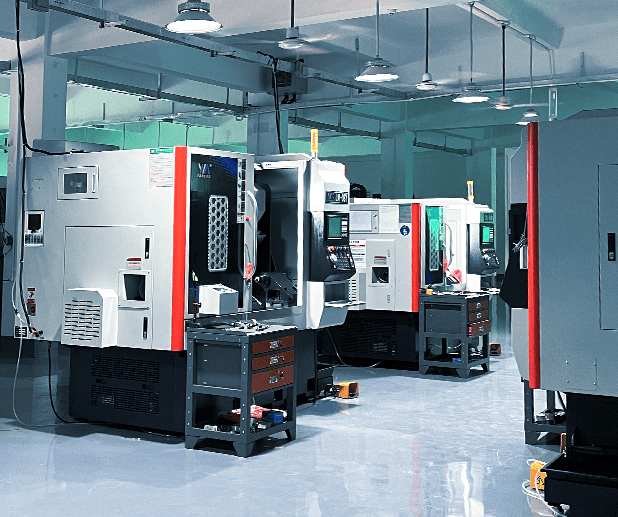
We machine long automotive shafts with controlled support and balanced cutting strategies to minimize deflection during turning and grinding. Stable setup conditions help maintain dimensional consistency across bearing seats, spline areas, and stepped shaft geometries.
Runout Control
Diameter Tolerance
Ground Surface Finish
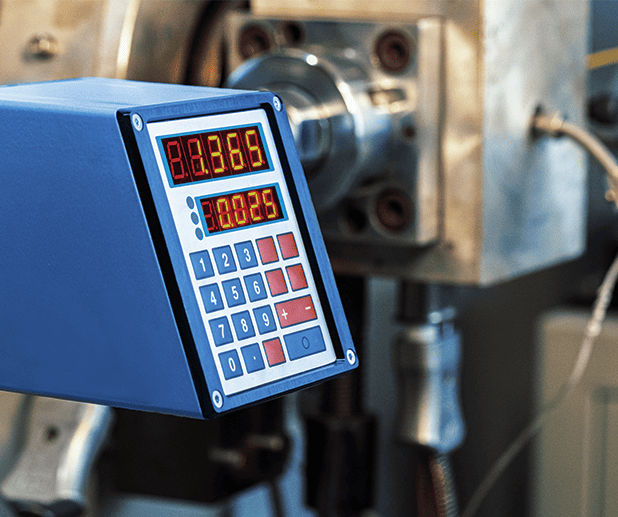
Our shaft machining process focuses on rotational stability for high-speed automotive systems. Precision grinding and in-process inspection improve concentric alignment between journals, threads, and sealing surfaces while reducing vibration during operation.
Diameter Range
Pitch Capability
Thread Accuracy
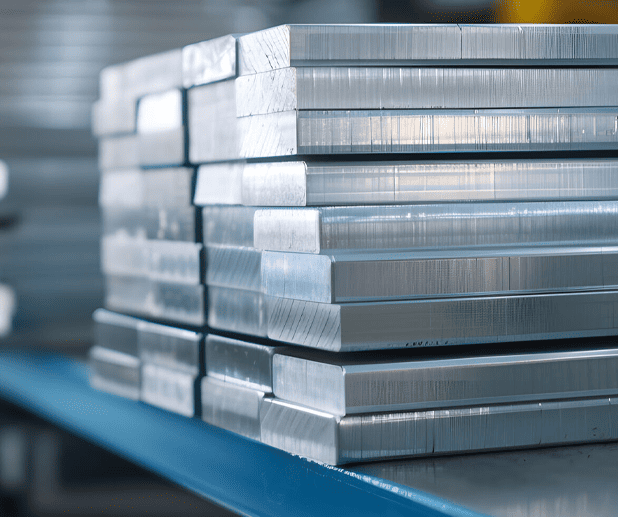
We manufacture shafts requiring multiple functional features within single production workflows, including splines, grooves, shoulders, and threaded ends. Controlled machining parameters help maintain geometry stability after heat treatment and secondary finishing operations.
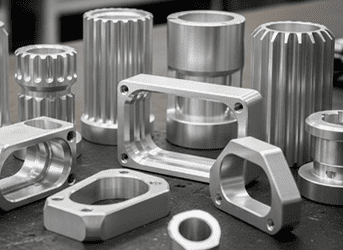
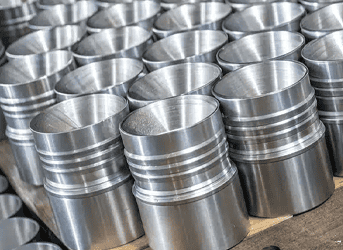
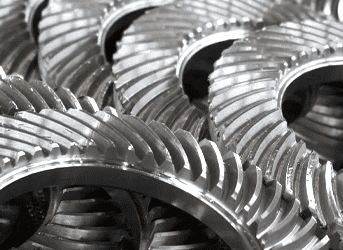
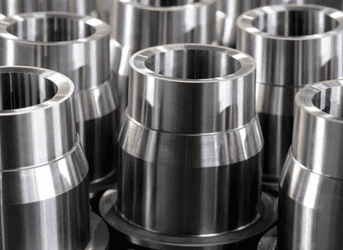
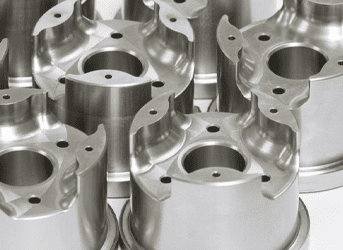
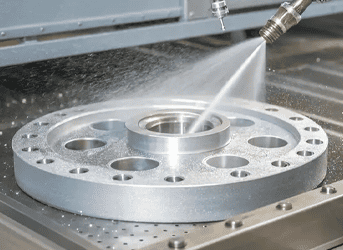
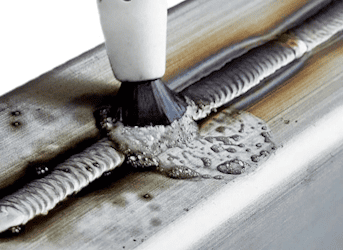
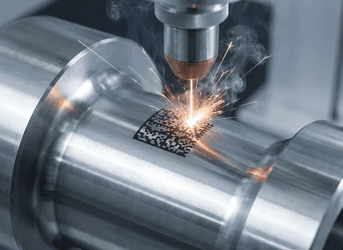
Tolerances listed here are minimums for an ideal case. Looser tolerances may be required depending on process, material choice, or part geometry. If you have no detailed requirements for product tolerance, we can follow the following general ISO2768 tolerance table.
| Maximum part size for CNC turning | |
|---|---|
| Part Size Limitations | Metric units |
| Maximum Part Diameter | 431 mm |
| Maximum Part Length | 990 mm |
| Maximum Swing Over the Carriage | 350 mm |
| Maximum Spindle Through-hole | 46 mm |
| CNC Turning Tolerance | ||
|---|---|---|
| Limits for Nominal Size | Plastics(ISO 2768-m) | Metals(ISO 2768-f) |
| 0.5mm*to 3mm | ±0.1mm | ±0.05mm |
| Over 3mm to 6mm | ±0.1mm | ±0.05mm |
| Over 6mm to 30mm | ±0.2mm | ±0.1mm |
| Over 30mm to 120mm | ±0.3mm | ±0.15mm |
| Over 120mm to 400mm | ±0.5mm | ±0.2mm |
| Over 400mm to 1000mm | ±0.8mm | ±0.3mm |
| Over 1000mm to 2000mm | ±1.2mm | ±0.5mm |
| Over 2000mm to 4000mm | ±2mm |
Tolerances listed here are minimums for an ideal case. Looser tolerances may be required depending on process, material choice, or part geometry.
If you have no detailed requirements for product tolerance, we can follow the following general ISO2768 tolerance table.
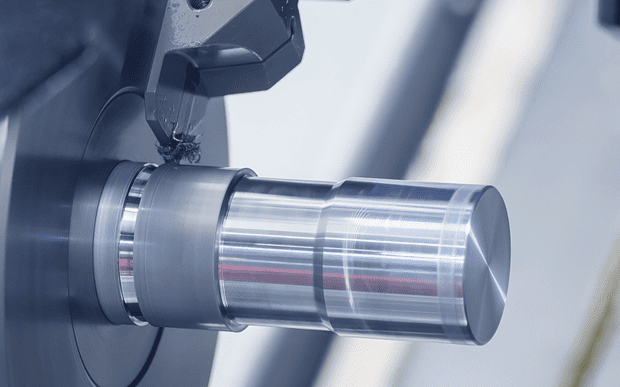
Steady rests and controlled cutting loads reduce bending during machining of long automotive shaft components.
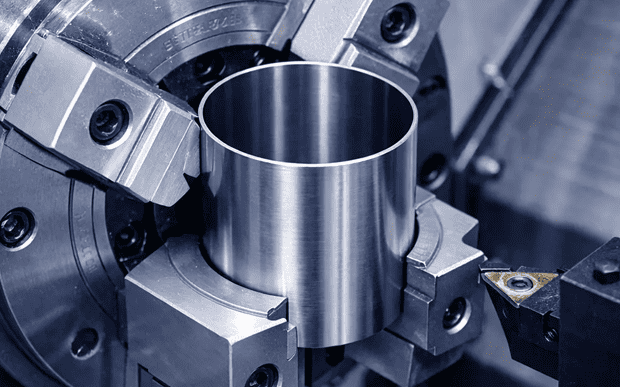
Precision grinding maintains stable bearing seat tolerances for smooth automotive rotational assembly performance.
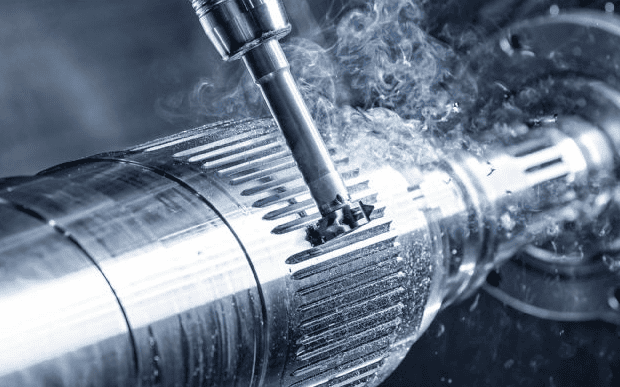
Itaque tum ScaevoOptimized machining sequences reduce dimensional movement after heat treatment of hardened automotive shafts.la cum in eam ipsam mentionem incidisset, exposuit nobis sermonem Laeli de amicitia habitum ab illo secum et cum altero genero, C. Fannio Marci filio, paucis diebus post mortem
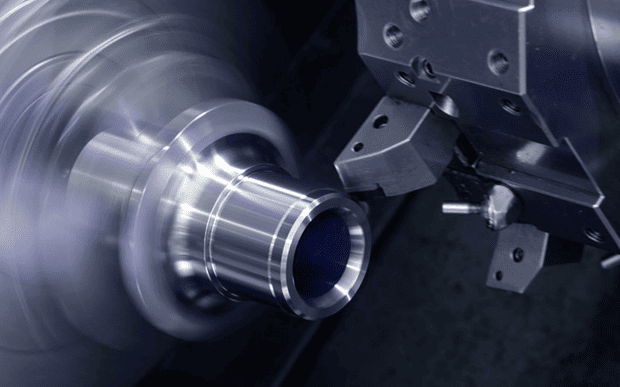
Careful indexing control improves concentricity between splines, journals, and threaded shaft sections.
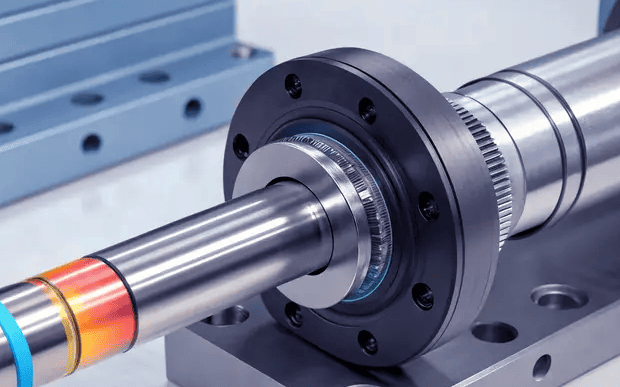
Fine finishing processes improve shaft surface integrity for high-cycle automotive rotational applications.
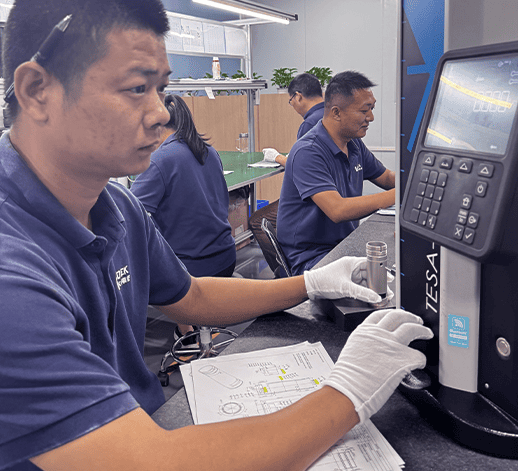
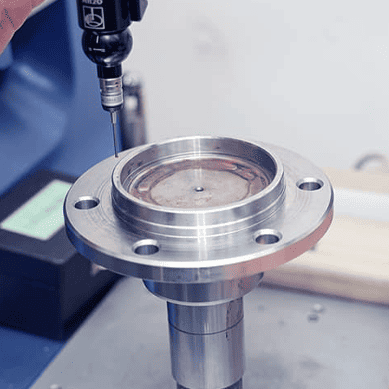

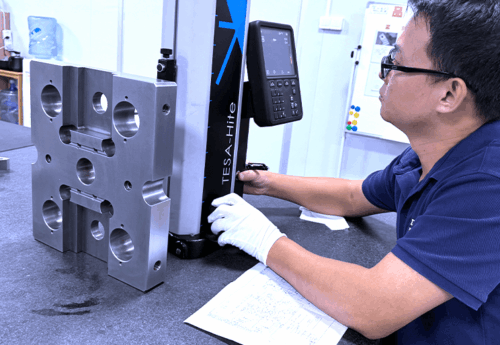
Roundness tester, roughness tester, CMM
Precision inspection systems verify shaft runout, straightness, and diameter consistency for automotive rotating components.

Verified rotational stability inspection

Precision journal measurement control
Certified raw material traceability
DEK Automotive provides shaft manufacturability evaluation, tolerance review, and machining process optimization for automotive rotational component production.
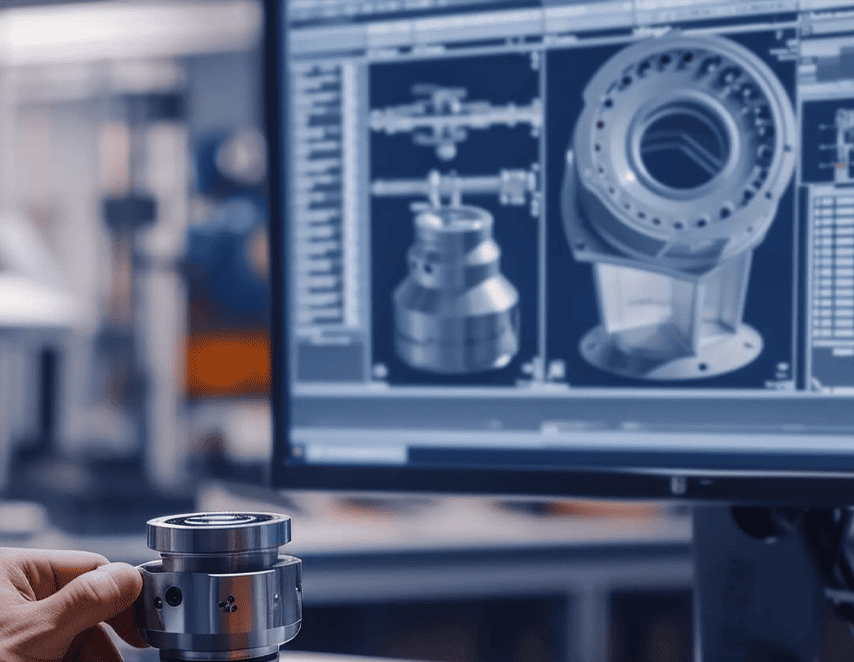



The transmission shafts came in with really stable runout values, and the bearing fits were exactly what we needed for assembly testing.

Powertrain Development Engineer
Surface finish quality on the motor shafts looked excellent straight from production. Packaging was secure, and nothing shifted during shipping.

Automotive Prototype Manager
We ordered hardened spline shafts with tight concentricity requirements. Your team handled the machining and inspection process very professionally.

Senior Manufacturing Engineer









Maintaining ≤0.005mm rotational runout across precision automotive shaft machining applications.

Machining automotive shafts up to 1500mm with controlled straightness and dimensional consistency.

Supporting stable machining performance on hardened alloy steel shafts up to HRC 60.

Controlling spline, journal, and thread alignment within complex automotive shaft geometries.
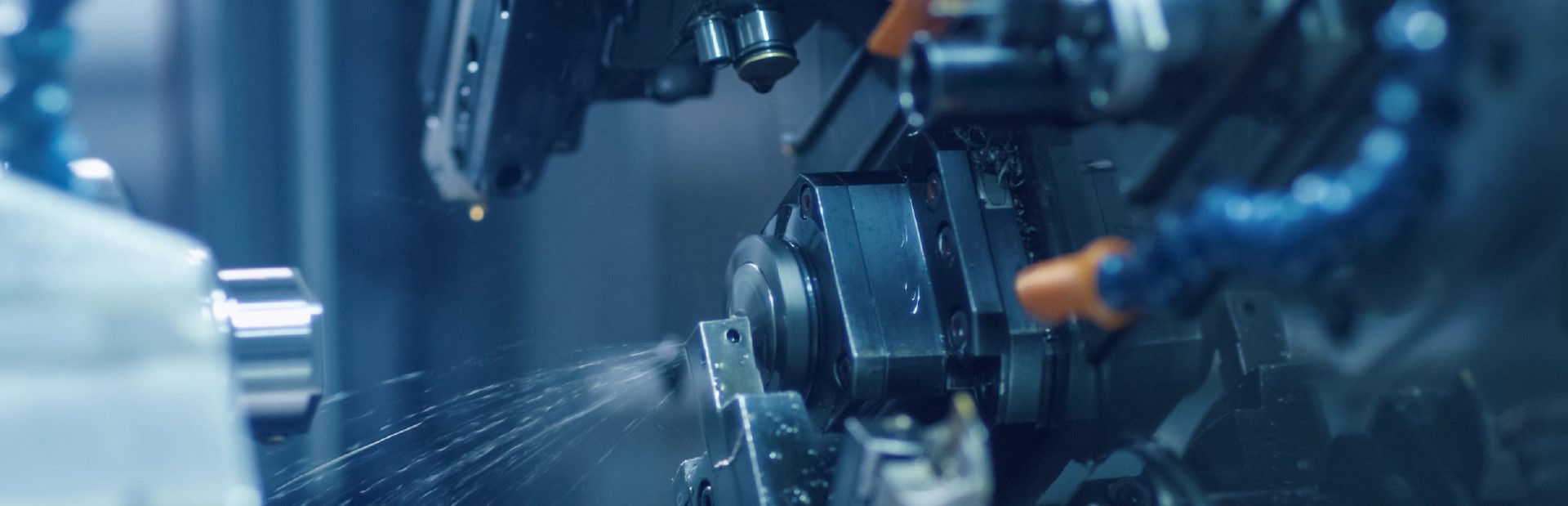
We integrate advanced machining, specialized materials, and surface finishing to deliver mission-critical parts that meet every rigorous automotive standard.
Fill out the form below and our team will get back to you promptly with a personalized quote tailored to your needs.