Providing precise electrochemical finishing for automotive parts. Controlled material removal, burrs, and contaminants elimination with measurable Ra improvement.
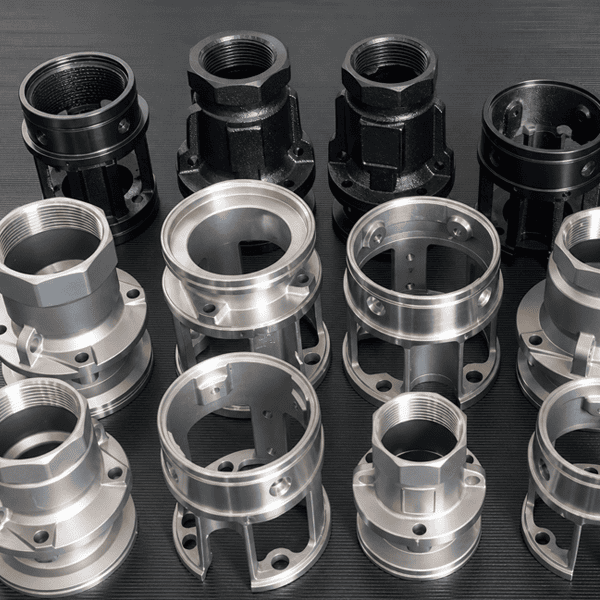
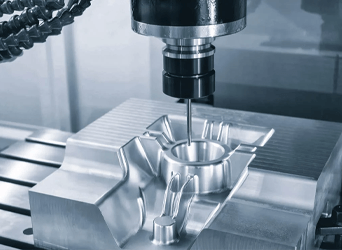
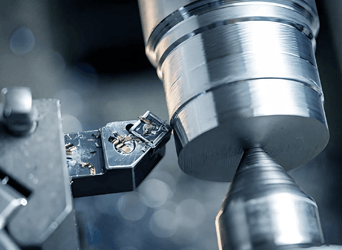
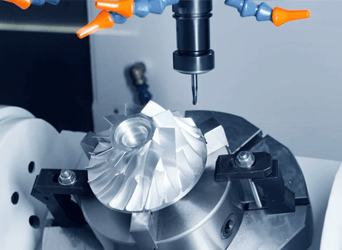
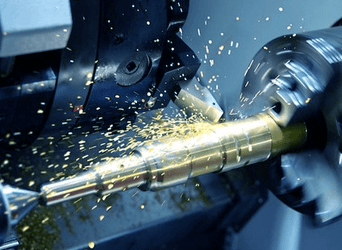
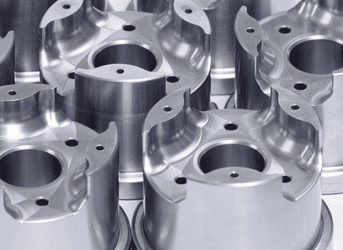
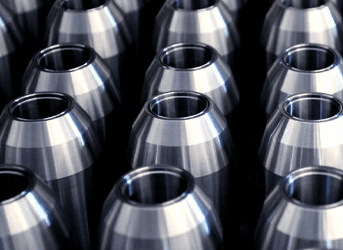
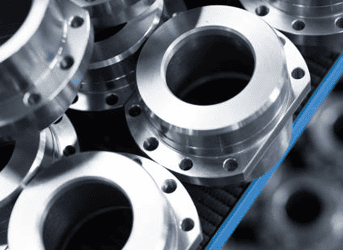
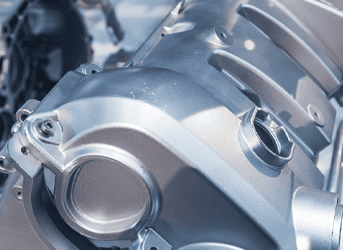
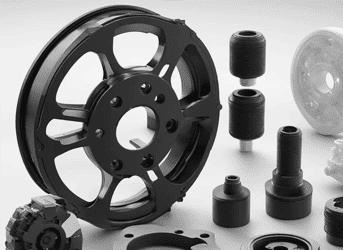
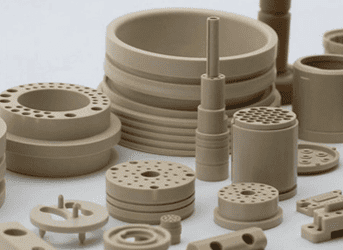
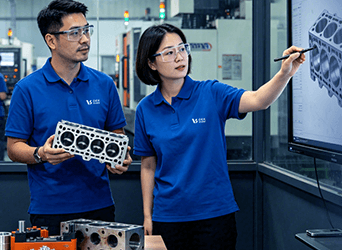
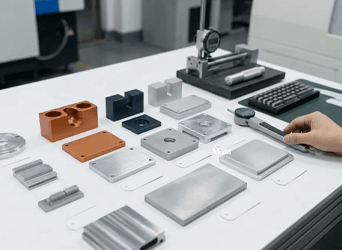
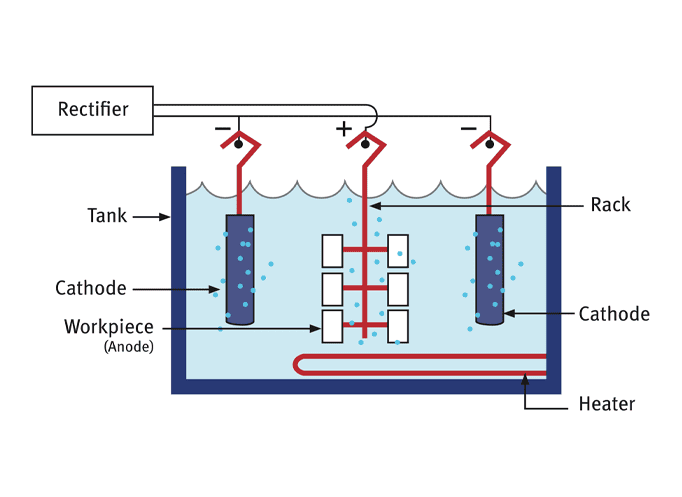
We apply electropolishing to CNC-machined components, including fuel injector bodies and exhaust valve stems. Parts are processed through a temperature-controlled electrolyte bath under precise current density, dissolving microscopic surface peaks to deliver a clean, corrosion-resistant finish verified against engineering specifications.
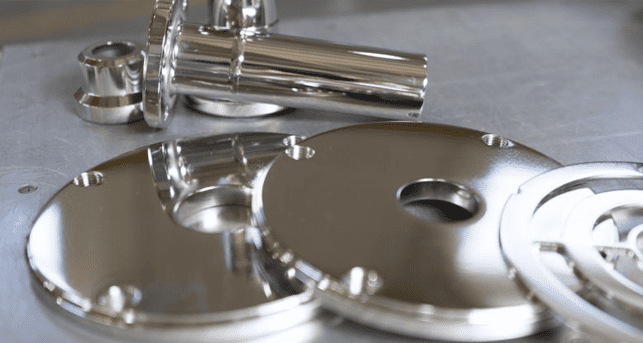
The final surface finish achieved by electropolishing is directly controlled by the condition of the machined surface entering the bath. The process cannot recover what poor machining leaves behind.
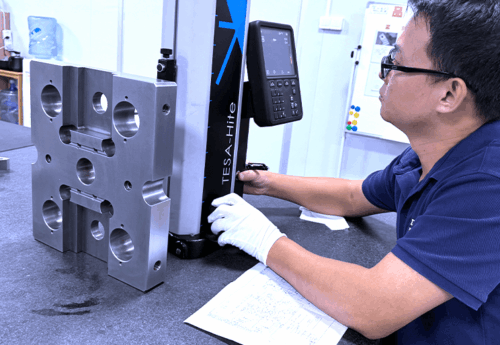
A widely applied guideline holds that electropolishing improves surface roughness by roughly 50%, meaning a part machined to Ra 0.8 μm can realistically reach Ra 0.4 μm after processing. If the specification demands Ra 0.2 μm, the part must be ground or pre-finished to Ra 0.4 μm before electropolishing begins.
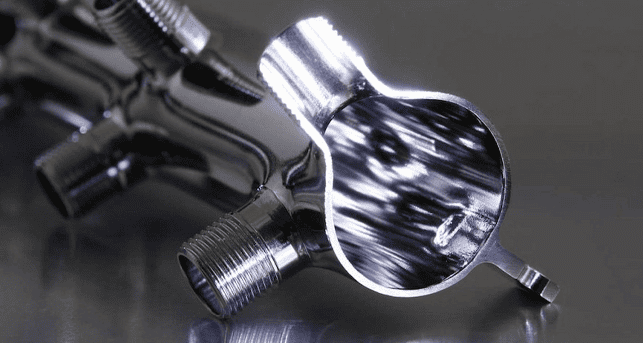
Complex part geometry creates uneven current density across the surface, causing some areas to receive more electrochemical action than others during processing.
Internal recesses, deep bores, blind pockets, and sharp inside corners all restrict electrolyte movement and disrupt the uniform current flow that even material removal depends on. This uneven distribution, often called a shielding effect, means recessed surfaces may retain roughness and tool marks while exposed faces are fully finished.
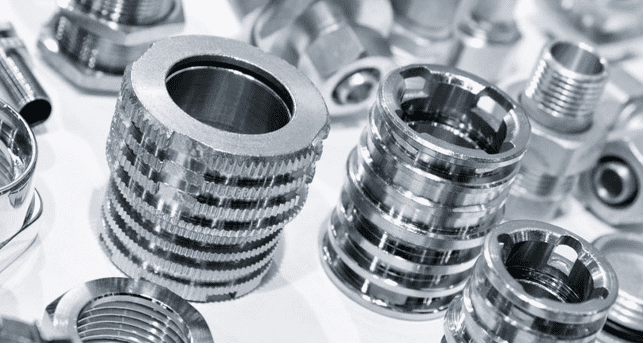
Not every metal alloy responds the same way to a given electrolyte formulation, and applying the wrong bath chemistry produces pitting, staining, or uncontrolled dissolution rather than a refined finish.
Stainless steel grades 304 and 316L process reliably in phosphoric-sulphuric acid electrolytes, which are the most common in automotive electropolishing. Aluminum, titanium, and high-alloy steels each require purpose-formulated bath compositions and operating parameters, temperature, and immersion time.

Removing surface micro-notches and machining stress risers reduces crack initiation sites, measurably extending fatigue life.

Anodic dissolution reforms a dense, chromium-rich oxide layer that outperforms standard chemical passivation in corrosion resistance.

The electrochemical action dissolves burrs and sharp edges from machined features without introducing mechanical stress.

The resulting low-Ra surface resists particle adhesion and fluid retention, reducing contamination risk in the fuel system.
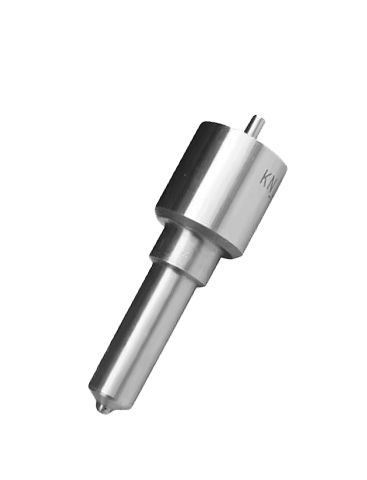
Process
Swiss-type CNC TurningMaterial
Stainless steel 316LTechnical
Corrosion-resistant precision body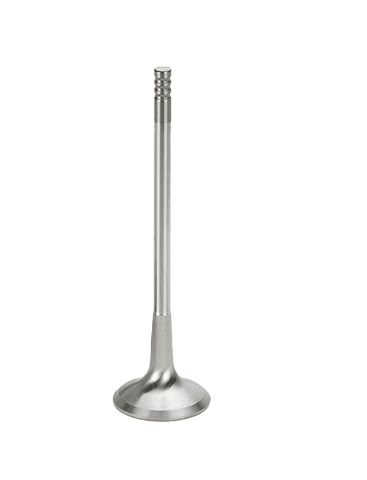
Process
Precision Friction WeldingMaterial
Valve steel 21-4NTechnical
High-temperature fatigue-resistant stem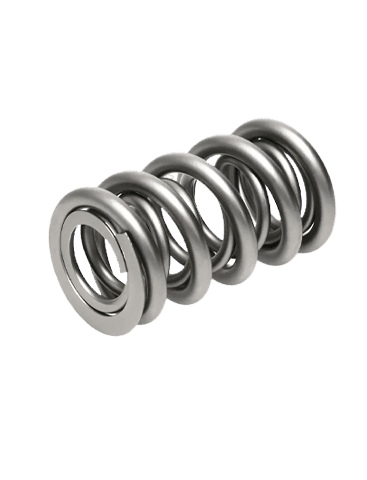
Process
CNC Cold CoilingMaterial
Spring wire AISI 302Technical
Micro-notch defect removal confirmed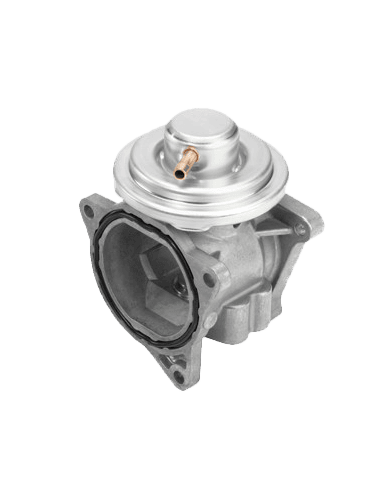
Process
Wax CastingMaterial
Stainless steel 304Technical
Soot-resistant internal cavityProcess
Swiss-type CNC TurningMaterial
Stainless steel 316LTechnical
Corrosion-resistant precision bodyProcess
Precision Friction WeldingMaterial
Valve steel 21-4NTechnical
High-temperature fatigue-resistant stemProcess
CNC Cold CoilingMaterial
Spring wire AISI 302Technical
Micro-notch defect removal confirmedProcess
Wax CastingMaterial
Stainless steel 304Technical
Soot-resistant internal cavity
We integrate advanced machining, specialized materials, and surface finishing to deliver mission-critical parts that meet every rigorous automotive standard.
Fill out the form below and our team will get back to you promptly with a personalized quote tailored to your needs.