Eliminating exogenous surface iron contamination to derive a pure, self-healing chromium oxide passive matrix on high-tolerance stainless steel vehicle components
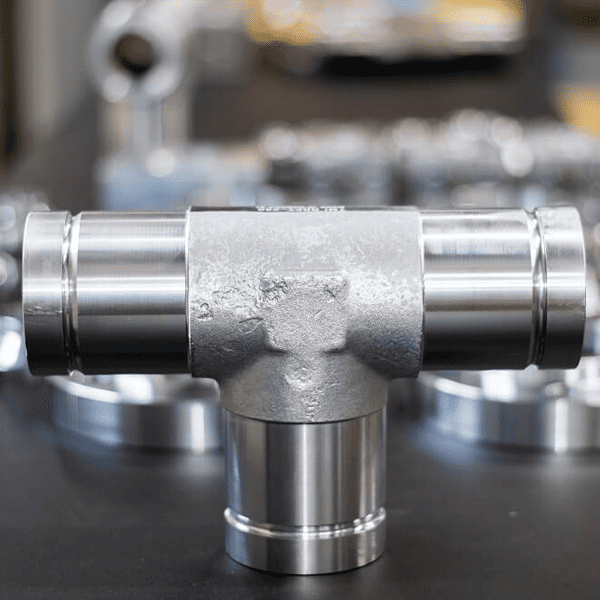
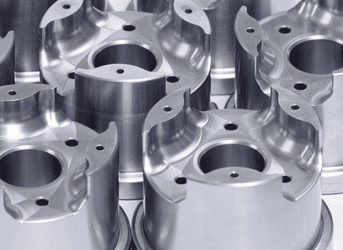
We apply specialized nitric and citric acid passivation baths to intricate fuel rails and precision sensor bodies to isolate corrosive environmental elements. Our validated chemical processing guarantees total free-iron removal, maximizing corrosion resistance and ensuring absolute material purity across critical, high-stress automotive assemblies.
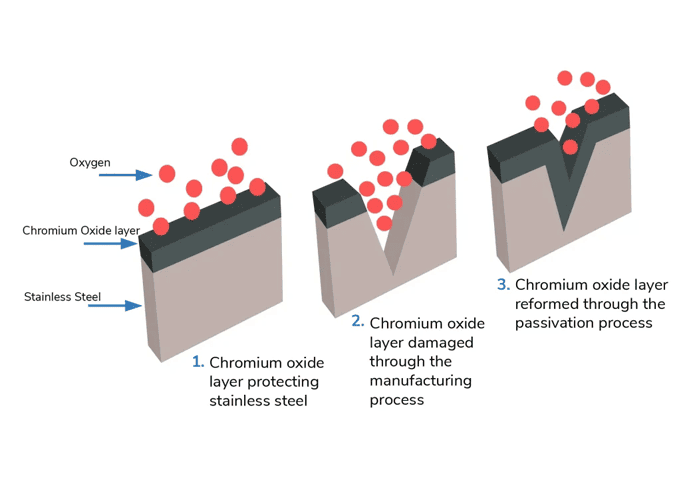
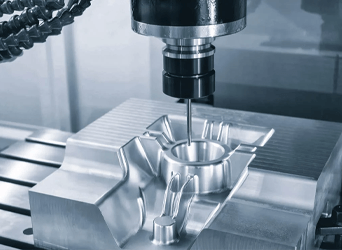
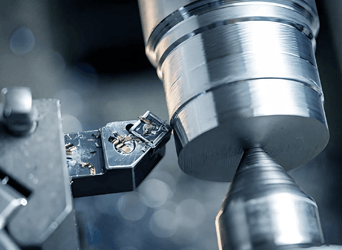
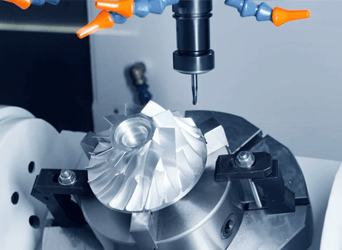
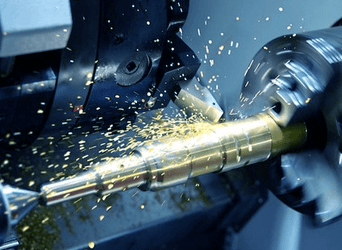
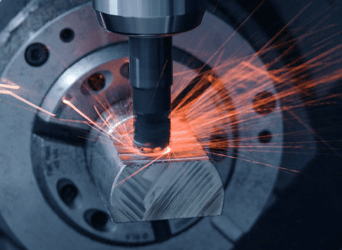
During aggressive CNC milling or turning operations, microscopic steel fragments from cutting tools inevitably embed themselves directly into the component’s stainless surface matrix.
These foreign iron particles disrupt the alloy’s natural chemistry, creating localized galvanic cells that trigger premature pitting corrosion when exposed to road moisture. Our passivation process selectively dissolves these microscopic surface contaminants without attacking the base metal.
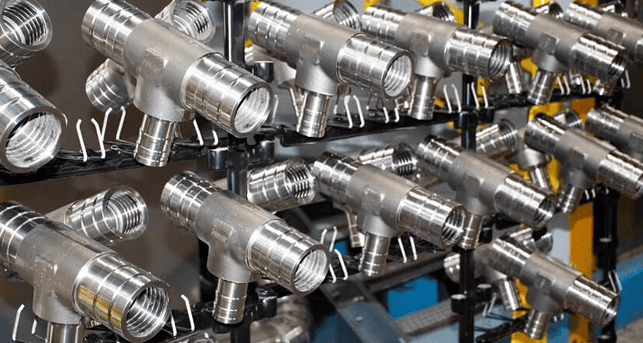
Choosing between nitric and citric acid formulations dictates the final protective layer density and presents distinct manufacturing environmental trade-offs.
Traditional nitric acid systems deliver robust oxidation across highly complex alloys but demand stringent temperature management to avoid hazardous vapor generation and accidental surface etching. Citric acid chemistry offers an environmentally safer alternative that highly removes free iron, leaving tight-tolerance thread paths.
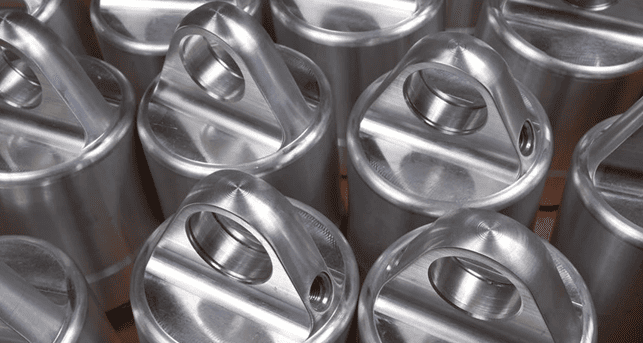
Verifying the complete chemical removal of surface iron residues is critical before components advance to sub-system vehicle assembly stages.
Visual inspection cannot detect microscopic contamination, necessitating rigorous post-passivation validation to eliminate the risk of field corrosion failures. We utilize specialized copper sulfate immersion and high-humidity environmental chambers to ensure zero oxidation reactions occur.

Prevents localized sub-surface pitting breakdown, safeguarding structural components against aggressive winter road salts.

Involves zero material deposition, leaving high-precision micro-inch machining tolerances completely unchanged after processing.

Strips away residual workshop contaminants, minimizing the risk of fluid system oil or fuel contamination.
Accelerates the formation of a transparent, protective chromium-rich boundary layer for long-term component durability.
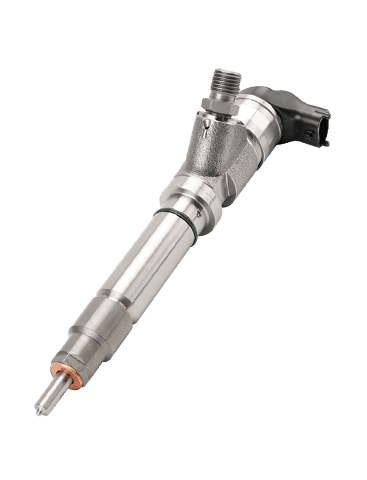
Process
CNC Deep Hole DrillingMaterial
Stainless steel 304LTechnical
Zero surface free-iron particles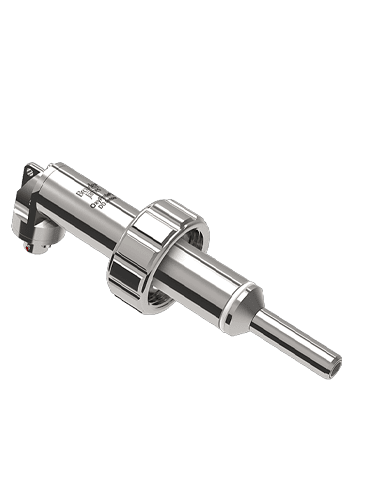
Process
Precision CNC TurningMaterial
Stainless steel 316Technical
Chromium-to-iron ratio ≥ 2.0
Process
Swiss type Screw MachiningMaterial
Stainless steel 440CTechnical
Critical roughness Ra ≤ 0.2 μm
Process
Centreless Linear grindingMaterial
Stainless steel 17-4 PHTechnical
Salt spray validation per ASTM B117Process
CNC Deep Hole DrillingMaterial
Stainless steel 304LTechnical
Zero surface free-iron particlesProcess
Precision CNC TurningMaterial
Stainless steel 316Technical
Chromium-to-iron ratio ≥ 2.0Process
Swiss type Screw MachiningMaterial
Stainless steel 440CTechnical
Critical roughness Ra ≤ 0.2 μmProcess
Centreless Linear grindingMaterial
Stainless steel 17-4 PHTechnical
Salt spray validation per ASTM B117
We integrate advanced machining, specialized materials, and surface finishing to deliver mission-critical parts that meet every rigorous automotive standard.
Fill out the form below and our team will get back to you promptly with a personalized quote tailored to your needs.