Tim • Published 10 2026 Jul
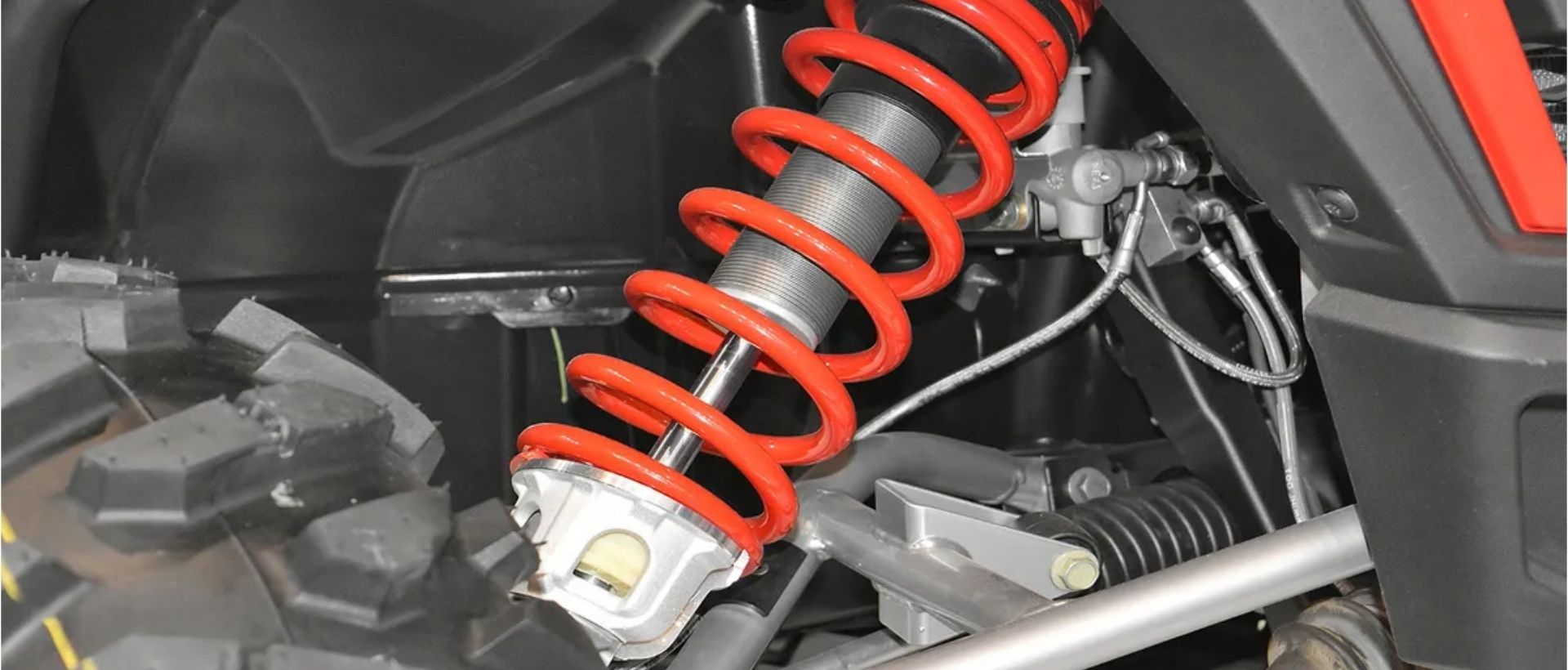
The lifespan of a component in the field of high performance suspension components solely depends on the surface integrity. CNC machined parts constantly face aggressive friction, debris impact, and cyclic loading that can quickly deteriorate the alloys. By hard anodizing, the soft surfaces of aluminum are converted into tough surfaces that can endure heavy mechanical damage.
The process of hard anodizing involves electrochemically modifying the surface of the treated material so as to produce a deep, thick layer of aluminum oxide that is integrated with the base material. The uppermost structure of the aluminum material is changed from a ductile metal in this process to a highly resilient ceramic-like layer.
As a result, the surface has extreme hardness, thus significantly improving the material’s ability to resist mechanical wear, gouging, and surface deformation under load.
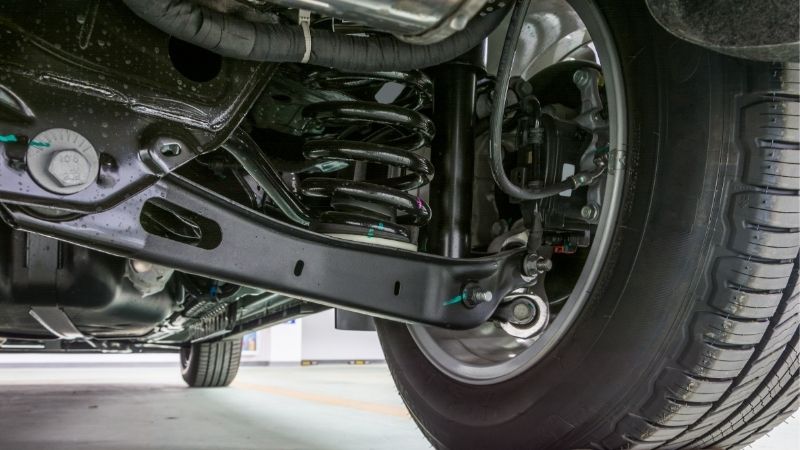
While the suspension components are in operation, they go through constant alternating forces. If untreated, aluminum can cause micro-cracking and localized surface fatigue. Hard anodizing forms a dense barrier that prevents surface degradation under sustained, high repeated dynamic load cycles.
CNC machined surfaces without protection can easily deform or be damaged by continuous vibrations of high frequency and sudden impacts of debris. This treatment creates a strong oxide layer on the surface of the workpiece, which helps to stabilize the substrate. Thus, preventing any shock-generated fracturing and any major change in geometry after extensive use.
The dimensional limits of machined suspension elements can be compromised by the subsurface stress distribution during intense mechanical operation. The hard anodized layer works as a structural component that reinforces the exterior of the components while minimizing dislocation and yielding of surfaces.
Constantly rubbing metals and sliding at the interface between metals can degrade the baseline aluminum alloys very quickly. When utilizing hard coat anodizing aluminum, this damage will not occur as a low friction, robust interface neutralizes sliding abrasion.
This oxide layer, which is specific in nature, greatly lowers the surface energy and microscopic roughness, which in turn reduces the operating friction between the interlocking suspension elements. Resistance has been minimized to prevent material sticking and structural galling during high speeds.
Transforming the surface of aluminum into a dense ceramic matrix raises the surface threshold of the material to prevent scratching from gritty debris in the environment. The unique structural rigidity of the equipment prevents foreign particulates from successfully gouging or scoring the functional interfaces.
Neutralizing the localized compressive forces in the component substrate is achieved through the establishment of a uniform and dense boundary layer. The treated surface reduces the possibility of localized setup or deformation below the surface under high intensity loads.
This technology can stop the progressive alterations of suspension geometry with time by neutralizing sliding abrasion and structural fatigue. To achieve this, the tolerances of each component are carefully maintained so that the system can operate reliably in harsh conditions for a significantly longer time.
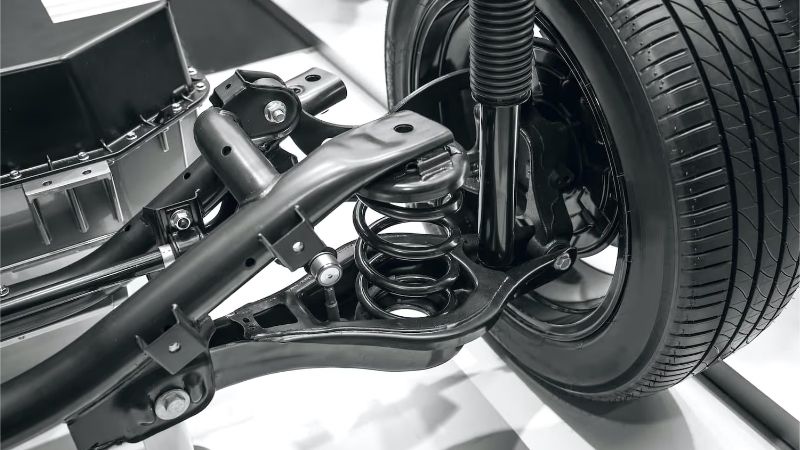
The dense aluminum oxide layer prevents chloride ions from the environment from reaching the alloy substrate and causing accelerated corrosion. This protective shield ensures the suspension parts do not deteriorate when exposed to aggressive de-icers throughout the winter months.
The process of electrochemical conversion reduces surface porosity and forms a barrier that makes the metal impermeable to water molecules. Completely remove this contact to isolate the aluminum from atmospheric moisture. This stops the most basic requirement precondition of oxidation.
Suspension systems are frequently exposed to automotive fluids, industrial runoff, and airborne contaminants, which can easily corrode untreated metals. The hard anodized layer is chemically inert that ensures the component does not react with unstable external chemicals.
In tight mechanical interfaces, local moisture retention can produce deep, structural pitting capable of undermining the mechanical safety of critical joints. By uniform surface transformation, localized vulnerabilities, for instance, stress concentrations at the connections, are eliminated entirely. Furthermore, micro-structural pitting does not occur at the connection points.
The monitoring of electrolytic growth is meticulously carried out to ensure the thickness of hard coat anodizing complies with exact engineering specifications. Because the layer builds outward and penetrates inward in equal measure, real-time current regulation ensures predictable dimensional changes down to individual microns.
Machining calculations shall consider the predictable volumetric expansion of the internal geometries that will occur due to aluminum hard anodizing. To ensure that the final characteristics of the post-treatment expansions are achieved in accordance with the blueprint, the substrate dimensions for the threaded sectors or critical bores are machined undersized intentionally.
Through a highly controlled conversion process, the optics are prevented from losing their concentricity and parallelism with each other from the CNC machining stage. Such uniformity ensures that complex geometries will not warp or distort out of their geometric dimension and tolerancing specifications.
The assembly interference of interlocking high-performance suspension components is avoided by controlling the thickness of the final hard anodizing. By maintaining these strict limits, tightly toleranced mating parts can slide or press-fit together without needing secondary machining corrections.
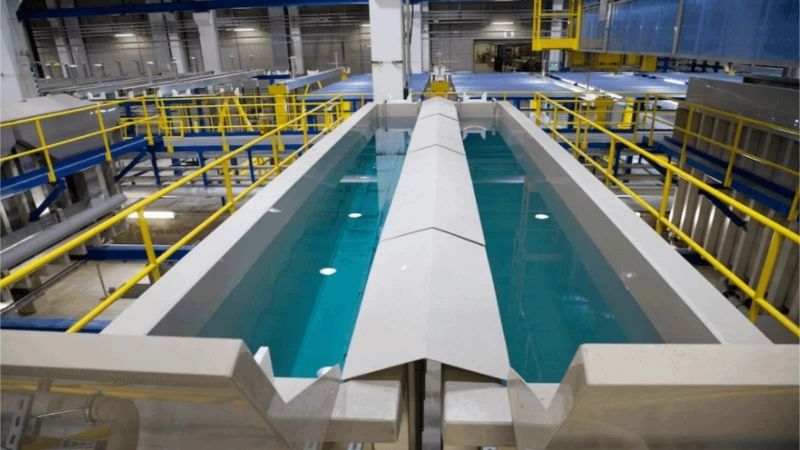
Submerging the fabricated aluminum in a hot alkaline solution removes residual cutting fluids, shop oils, and metallic particulates left over from the CNC machining process. Ensuring that there are no surface contaminants will ensure that the chemical wetting process happens without any hinders.
An acid- or alkali-etch that removes the ambient oxide skin exposes a fully uniform active metal structure. After that, the desmutting bath removes the insoluble alloying elements like copper or silicon and prepares the surface for deposition of uniform layers.
Forbidding drag-out and cross-contamination of reactive chemistry in the processing line using purified water. Washing with intense rinsing allows the removal of mineral salts that would otherwise spoil the structure and purity of oxides.
To ensure uniform layers on large batches, parameters such as current density, solution temperature, and chemical concentrations are all automatically controlled. When these items are properly set, all production parts will have the same wear resistance and the same dimension repeatability.
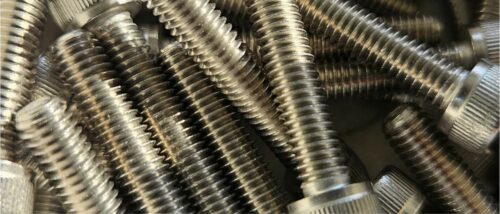
An assessment of the surface hardness of a modified material requires an examination of the hardness of the layer through microindentation testing. To verify the mechanical response and integrity of the oxidized threads, a diamond indenter is applied to the oxidized boundary, and resistance to localized plastic deformation is directly measured.
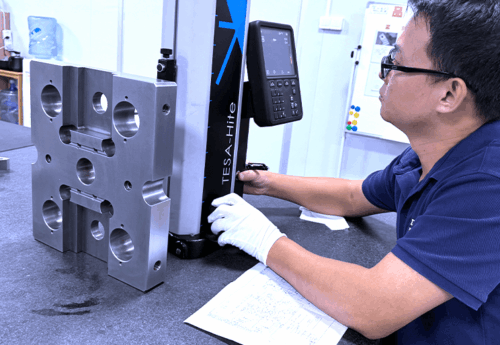
Verification through metrology access ensures that all functional surfaces have a thickness that meets the specifications. Through systematic measurement across complex geometries, established measurement protocols confirm that layer growth is consistent and within engineering tolerances.
The oxide layer is structurally embedded into aluminum as verified through microscopic examination of destructive cross-sections. The analysis is expected to show no presence of any microvoids or separation zones, which could lead to delamination prematurely under high mechanical shear stresses.
Using phase-sensitive eddy currents, handheld electromagnetic instruments determine the coating thickness instantly without damaging the component surface. This non-destructive approach relies on the electrical conductivity disparity between the raw aluminum alloy and the oxide layer, enabling swift and precise verification.
The tensile stresses and small microfissures one might expect in the ceramic matrix do not form thanks to careful control of current density, electrolyte heat, and thermal stabilization after anodizing. Reduction of structural micro-cracks is essential for a component to achieve maximum fatigue strength and long-term structural stability under cyclic loading.
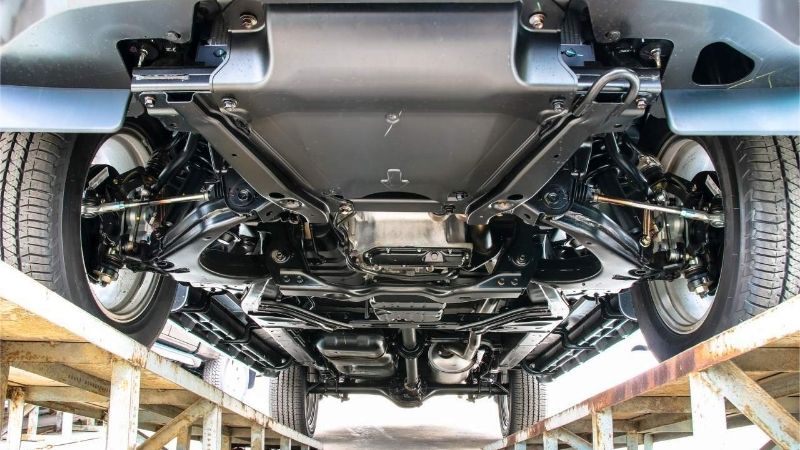
In the high-load pivot zones, control arms are profiled to interfere with bushings that cause constant friction and attempt multi-directional pivoting, stressing. Utilizing this advanced surface treatment prevents the aluminum bore from becoming ovalized or scored for millions of operations to conform with tight alignment tolerances.
Due to high speeds of the internal piston seals and high operating temperature, the internal cylinder walls of a damper system experience a continual sliding contact. The tough surface finish stops micro-galling and constant friction wear down. In addition, the smooth inside diameter allows hydraulic sealing tension to be uniform.
Suspension knuckle mounting interfaces are major connection points that absorb high road shocks and high torque braking forces. By creating a tough oxide layer in these fastening zones, surface yielding, material indentation, and fretting wear occur where bolts are used.
During fast cornering and sudden shifts in the chassis, these components undergo alternating rapid tension and compression. The base alloy remains shielded against structural fatigue and micro-cracking due to continuous mechanical stress as the linking sections and end-joint threads are designed with the structural transformation.
Standard aluminum is not capable of withstanding high friction and high load conditions. The process of hard anodizing offers a permanent solution to this structural weakness. In doing so, it converts precision CNC machined surfaces into diamond-hard, ceramic-like boundaries that protect accurate engineering tolerances even under continuous operating abuse.
The chemical process has to be perfect for the life of the component and, above all, the safety of the vehicle. Partner with DEK Automotive today to protect your manufacturing pipeline with industry-leading surface engineering, ensuring extreme durability of your parts.
Tim focuses on automotive-grade treatments tailored for machined surfaces, such as Hard Anodizing, bead blasting, and E-coating. He ensures that CNC-machined brackets and frames achieve the exact surface roughness (Ra) and corrosion resistance required for rigorous functional testing.
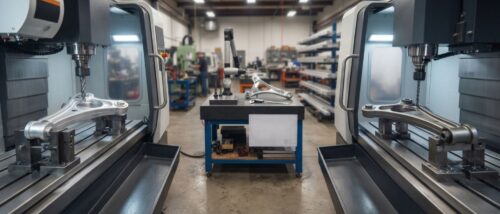
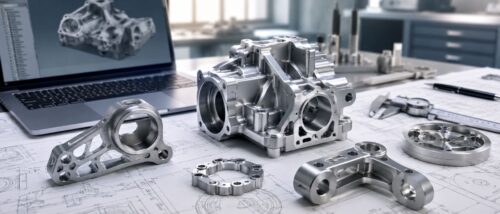
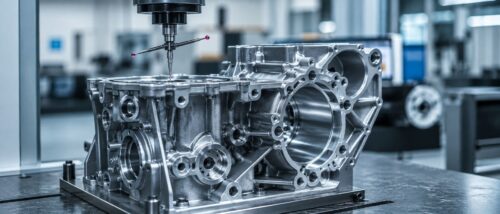
We integrate advanced machining, specialized materials, and surface finishing to deliver mission-critical parts that meet every rigorous automotive standard.
Fill out the form below and our team will get back to you promptly with a personalized quote tailored to your needs.