Peter • Published 22 2026 May
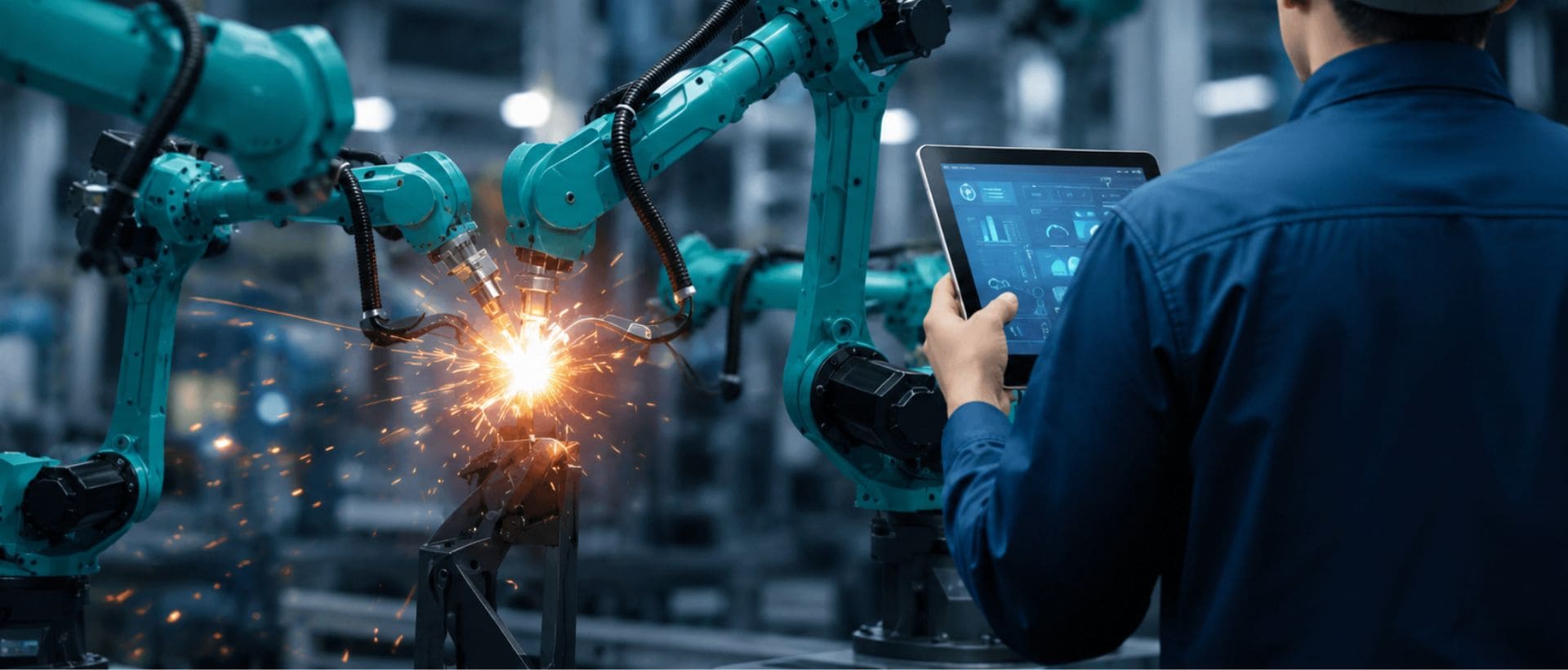
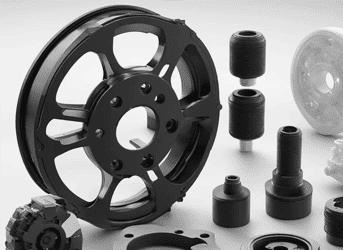
DekAutomotive provides automotive CNC machining services for parts machined to drawing.
An important manufacturing technique used for complex vehicle parts is CNC machining. In this guide, we will explain what automotive CNC machining is, its advantages, applications, and trends.
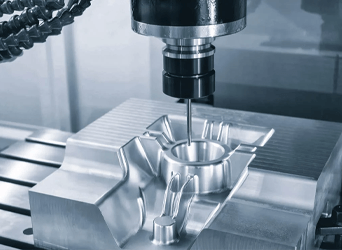
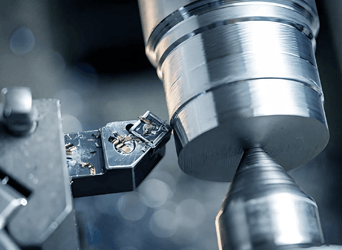
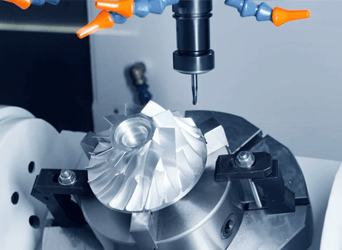
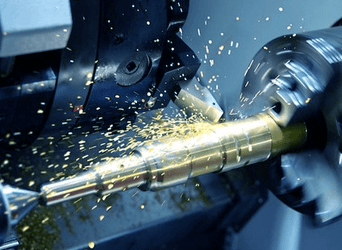
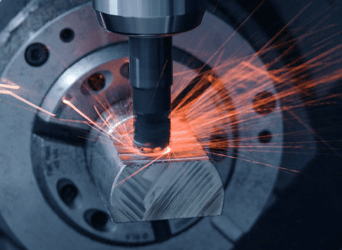
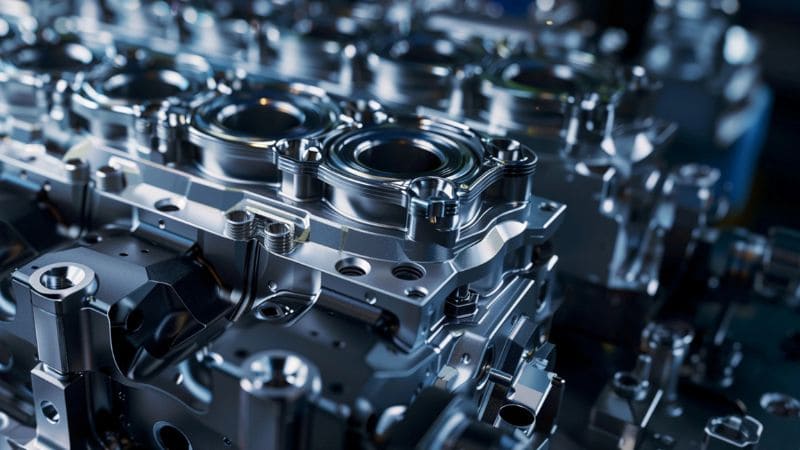
This is a subtractive production method that utilizes CNC (Computer Numerical Control) to move cutting tools so as to create the desired automotive component. It works with several plastics, metals, and composites and can achieve complex features.
Using this technique in manufacturing different car parts comes with many benefits.
Our CNC cutting tools, together with their automated systems, help speed up production, usually with more than 10,000RPM. With that, efficiency is improved as thousands of automotive parts can be created in a few days.
We produce highly precise and repeatable car parts. With automotive CNC machining, tolerances up to 0.005mm and better can be achieved even in critical systems like the engine and brakes.
We create several batches of car components with the same dimensions and tolerance level. As such scrap work and delays are eliminated while effectively maximizing material usage.
Custom parts, prototyping and low-volume productions can be completed within a few days. Design changes are made quickly by updating the software or program rather than expensive tooling. And this is useful for motorsports and luxury cars.
We make use of robotic arms, digital inspection methods, AI, etc., during production, which gives room for less human supervision and eliminates errors. This, in turn, enhances efficiency and time to market.
Certain materials like steel, titanium, and some composites expose the tool to wear, thereby increasing the need for repair and replacement. This, in turn, affects precision and production efficiency.
It requires many fixed costs, including programming and machine preparation, fixture and tool setup, and so on. While this might be cost-effective when high volume production is involved, it is expensive for custom and low batches.
Programming and setting up machines for production, especially when a complex automotive part is involved, requires technical expertise. Even at that, it takes more time to optimize. As such, a longer timeframe must be dedicated to meet delivery.
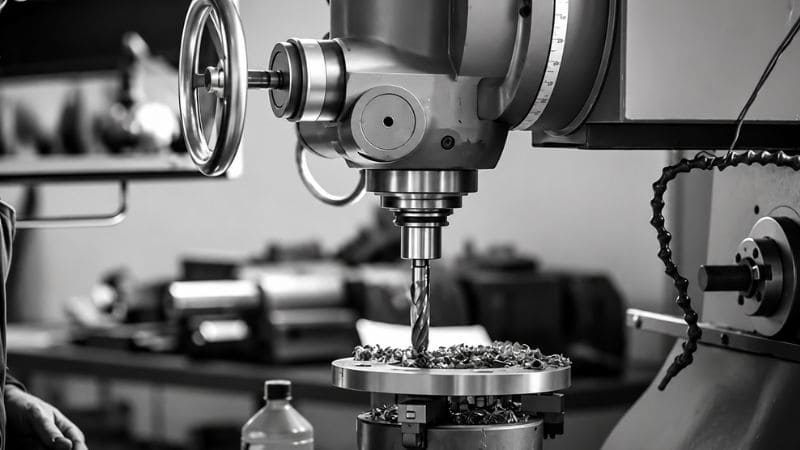
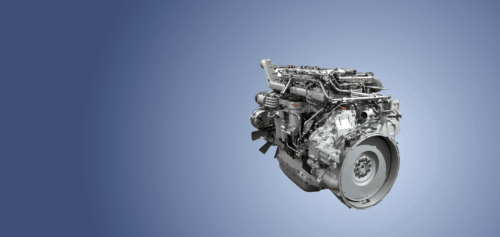
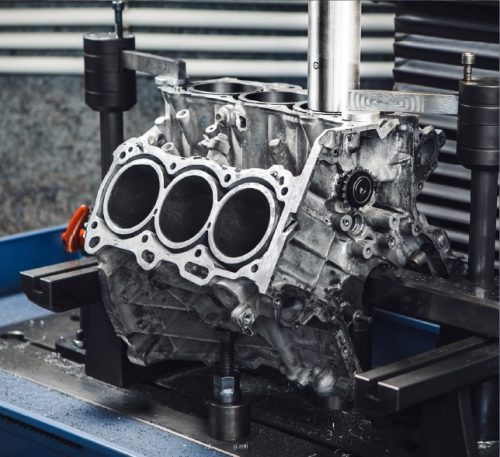
Automotive parts like cylinder heads, pistons, and crankshafts function in extreme heat and pressure. Automotive CNC machining prevents failure and ensures reliability.
CNC machining works with high-strength metals like steel and aluminum to create lightweight but strong parts. With that, it is a valuable method for control arms and steering knuckles as they must resist consistent stress and load for safety.
The production method creates a smooth surface and allows for other finishing processes, which makes it suitable for parts like dashboard frames, lighting housings and door panels.
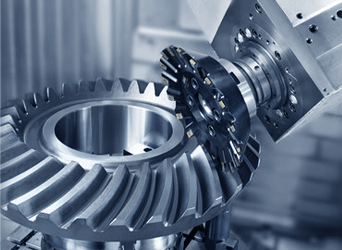
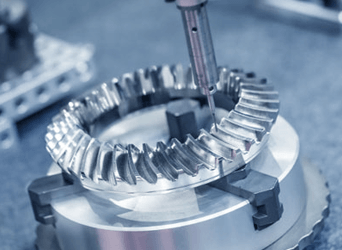
Transmission parts like gears, shafts, and clutches must be machined with accuracy for effective power transfer, alignment, adequate fit, and to reduce wear.
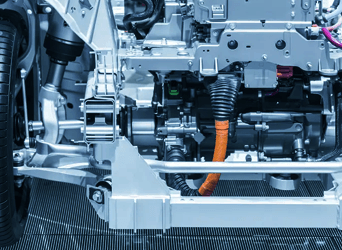
Automotive CNC machining is crucial for structures like battery housings, motor shafts, cooling plates, etc., for effective functioning.
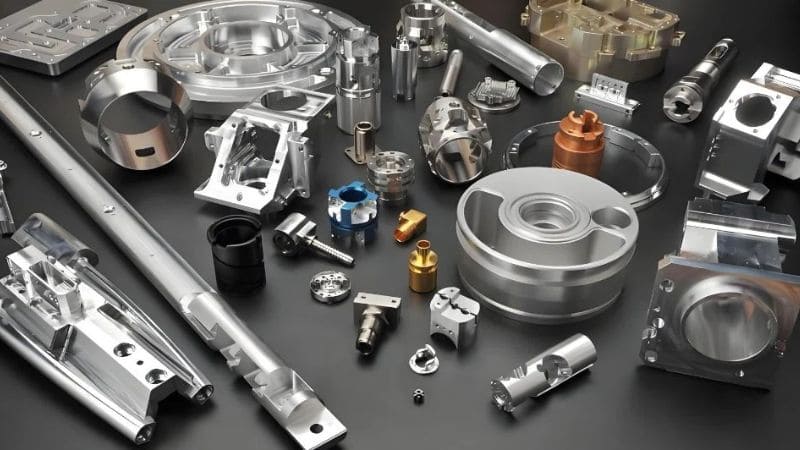
Commonly used alloys include aluminum 6061 and 7075. Aluminum offers lightweight, corrosion-resistant, ease of machinability, and thermal conductivity. As such, we use them for engine components, wheels, EV battery trays, and so on.
Titanium is valued for automotive components due to its high strength, corrosion resistance, and lightweight, but it is more difficult to machine than aluminum. Because of that, it is used for exhaust units, racing vehicles, etc.
Steel is another high-strength material used in automotive CNC machining. It has a density of 7.85g/cm³ and tensile strength of 600-1000+ MPa. Common alloys used are 20CrMo and 40Cr. Beyond that, the metal offers wear and impact resistance and is suitable for gears, drive shafts, crankshafts, etc.
This offers lightweight, impact-resistant ease of machinability and cost-effectiveness. It is valuable for creating interior components, including the dashboards and panels.
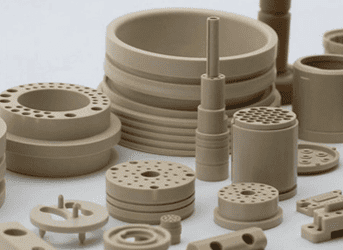
Also called acetal, this is appreciated for its high stiffness, low friction, and dimensional stability. As such, it is used for fasteners, bearings, bushings and gears.
Nylon material offers lightweight, wear, and chemical resistance, toughness, etc. It is suitable for fasteners and manifolds.
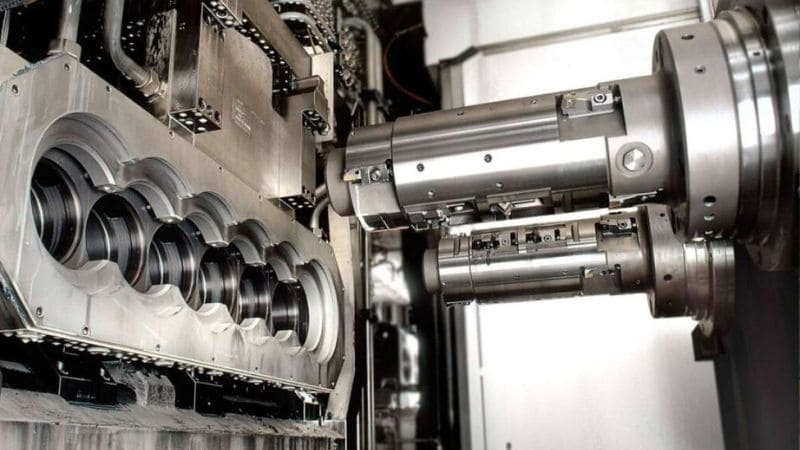
Surface Roughness Control: This must be within the range of 0.6 – 3.2 μm. However, the specific value depends on the parts as it’ll help prevent friction, ensure accurate fit, and alignment.
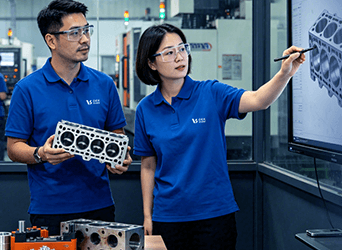
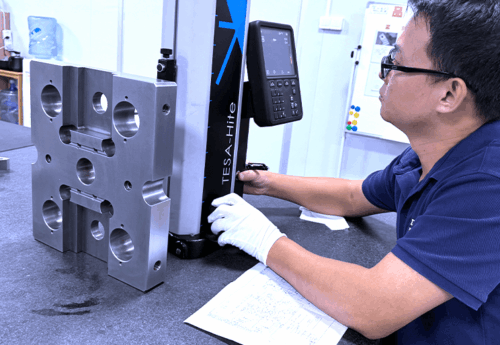
Inspection Method: With the use of Coordinate Measuring Machines and laser scanners, manufacturers can verify and identify variations in dimensions and measurements.
Tolerance Management: Critical automotive components must be kept within a tolerance range of 0.005mm and better.
Quality System Certification: Standards like ISO 9001 and IATF 16949 ensure consistent quality and traceability.

AI is now being used to optimize CNC toolpaths to improve cutting efficiency. This helps reduce machining time and wear while enhancing tool lifespan.
With the Internet of Things, CNC systems and machines can connect and communicate to enhance data tracking and monitoring. Beyond that, it enhances predictive maintenance. This gives manufacturers the chance to detect issues easily and increases productivity.
As many manufacturers see the need to improve sustainability, they now utilize more renewable materials. Energy-efficient machines are used together with the recycling of coolant in order to preserve the natural environment.
With the need to improve fuel efficiency and reduce overall car weight, especially in EVs, the CNC machining process is used to achieve thin-wall features, and more so, it effectively works with low-weight materials.
Automated inspection systems, together with the use of a robotic arm, will also enhance production speed and efficiency while reducing the need for human supervision.
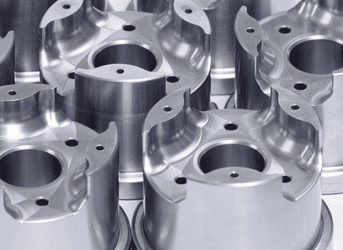
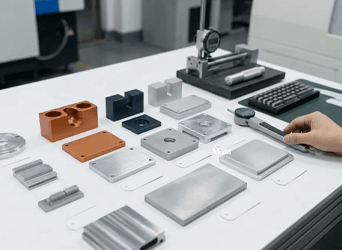
Automotive CNC machining helps create several intricate car components, including the engine and brake parts, interior and exterior components, transmission systems, etc. The method improves production efficiency and speed and ensures precision and consistency.
AutoCNCParts specializes in the production of precise and high-quality vehicle parts. We deliver durable automotive components worldwide. Our processes are ISO 9001 and IATF 16949 compliant, and we ensure full inspection and traceability. Get a Quote Now.
Peter leads the engineering team, bridging the gap between design concepts and functional machined parts. He specializes in optimizing DFM for subtractive manufacturing, ensuring complex components like EV motor housings and battery enclosures are optimized for high-speed milling. Outside work, he enjoys cycling and restoring vintage motorcycles.
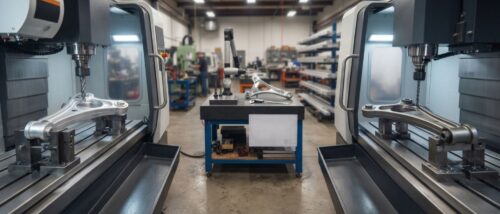
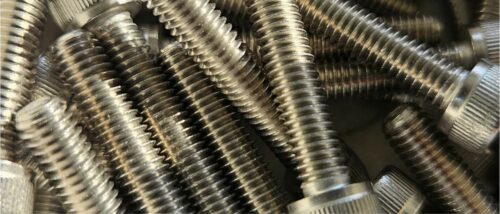
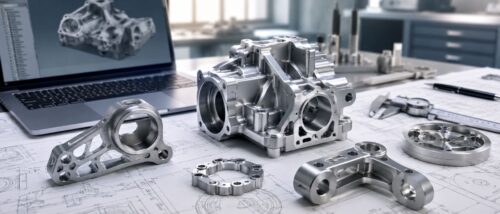
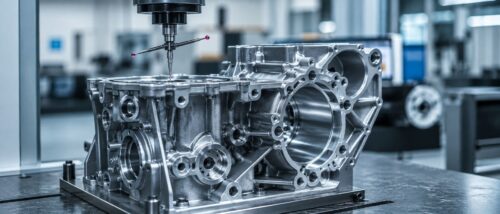
We integrate advanced machining, specialized materials, and surface finishing to deliver mission-critical parts that meet every rigorous automotive standard.
Fill out the form below and our team will get back to you promptly with a personalized quote tailored to your needs.