Alan • Published 31 2026 Jul
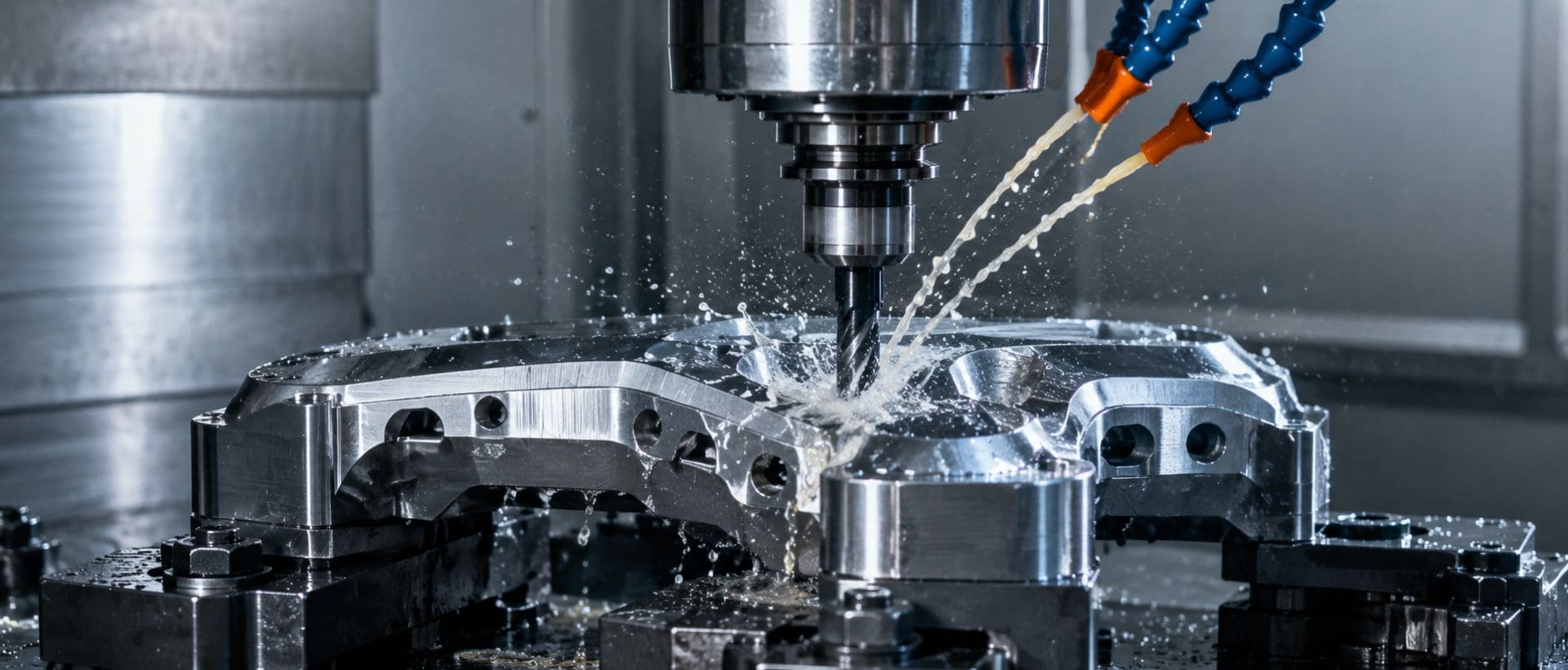
High-strength steel that is fabricated by machinery is used for making safety devices for automobiles since modern cars need better protection as well as reduced weight. With this steel, we can make components that will be strong and functional without being unnecessarily heavy. In this blog, we will discuss our manufacturing process, problems encountered, and solutions adopted.
High-strength steel refers to steels that are manufactured to have greater strength than ordinary carbon steels, but at the same time remain formable and durable enough. They possess excellent properties of resistance to severe mechanical and environmental effects, as well as load-carrying capability.
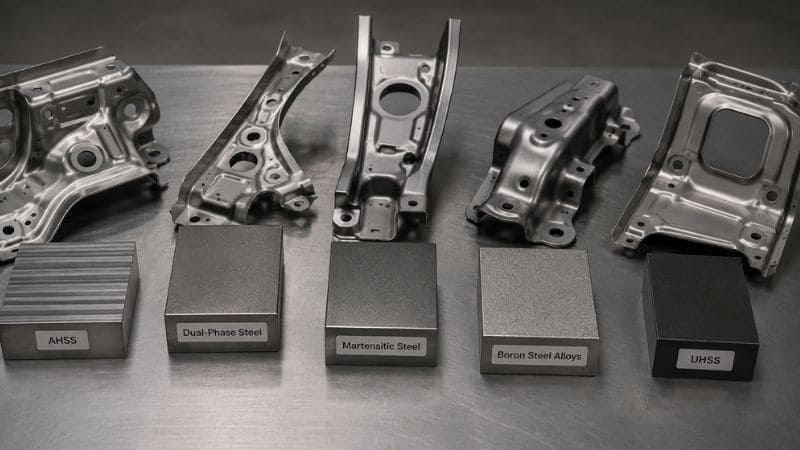
Different types of automotive components require different high strength steel grades.
AHSS is usually found in vehicles because of the properties of ductility and tensile strength that make it suitable for use in cars. The steel used in automobiles generally has tensile strengths between 600 MPa and greater than 1,200 MPa, which allows it to bear any form of energy load during an accident without fracturing suddenly.
The AHSS that we use can be utilized for door reinforcement, roof rails, rocker panels, and sides of vehicles. In comparison with mild steel, AHSS can lead to significant weight reduction (20-30%).
Dual-phase steel combines both ferritic and martensitic phases, thus making it strong and ductile, as well as able to withstand energy loading from accidents. The tensile strength of dual-phase automotive grades, such as DP600 and DP980, ranges from 600 MPa to 1,000 MPa.
The use of dual-phase steel in our manufacturing process is evident through our reinforcement structures, wheel housings, and energy management systems because of their high strength and ductility.
Martensitic steel has high toughness and high wear resistance because of high levels of martensite phase in it. The tensile strength of hot-rolled automotive martensitic steels ranges between 1,200 MPa and 1,700 MPa, thus making it a suitable choice for parts that undergo very high loading and require high strength.
The use of martensitic steel involves machining of parts like bumper reinforcements, side intrusion bars, and antitank devices. Due to their toughness, they result in high wear rates during machining operations.
The boron steel is extremely hard after hot stamping and processing. Boron steel products usually exhibit excellent tensile strengths of 1,500 MPa after processing, making them extremely crash-resistant.
The crash resistance exhibited by the boron steel is crucial for our vehicles’ safety in case of any accident.
The ultra-high-strength steels are the strongest types of steel used in vehicles. They have higher than 1,500 MPa tensile strengths and have been developed for increased crash resistance and stability.
Our application of the UHSS steel is primarily for the critical areas that should not fail during an accident, such as side impacts, roofs, and frontal crash systems. The improved passenger safety and reduction in vehicle weight from the use of UHSS are coupled with increased hardness and machining challenges.
Let’s talk about the role of high-strength steel in automotive safety.
In the event of a crash, a vehicle structure should be capable of absorbing significant energy. The high-strength steel allows us to limit and direct crash forces. We create special crumple zones that absorb kinetic energy without transmitting significant crash forces to the cabin of the vehicle.
For passenger survival in case of an accident, it is crucial to preserve the structural integrity of the cabin. A collapsed cabin significantly increases the risk of injury. With the help of high-strength steel, we reinforce structural elements such as pillars, roof rails, and sides to prevent deformations.
Modern cars must comply with stringent environmental and efficiency standards. Lightweighting allows us to make vehicles more fuel-efficient. Since high-strength steel is stronger than mild steel, we can use thin sections and get comparable performance levels.
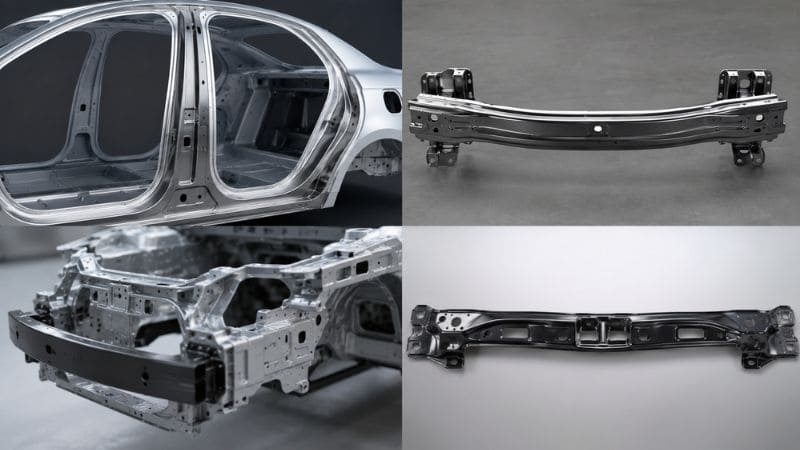
B Pillar Reinforcements: The B pillar sits between the front and rear doors. It improves safety by increasing resistance to side collisions.
Side Impact Beams: Side impact beams are installed inside the doors of vehicles. They improve safety by absorbing energy from side strikes.
Front Crash Cradles: Front crash cradles help absorb impact energy in a front accident while also protecting the engine and the interior.
Dashboard Cross Members: These components support the dashboard and add solidity to the cabin structure.
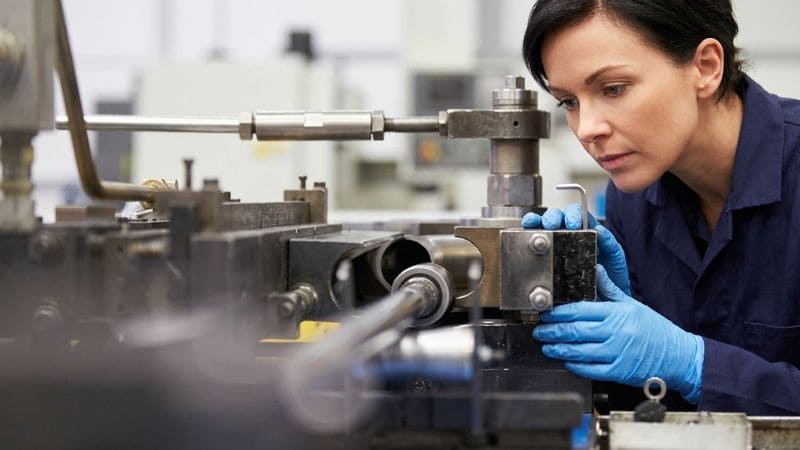
We also encounter significant challenges with machining during CNC processing; the following are the common issues:
The issue that we face quite often is work hardening.
Cutting surfaces of martensitic and dual-phase steel become extremely hard due to heating and deformation during machining. We observed some spots that increased in hardness from around 300 HB to 450 HB during roughing operations.
After work hardening, the tool will find it more difficult to make the next pass on the part surface due to the cutting edge’s heavy engagement with the hardened material. If the cutter and part have an unstable connection, tool wear will be considerably accelerated, as is common when machining automobile thin-wall reinforcing parts.
Machining AHSS materials generates much higher spindle loads than machining normal steel.
For example, cutting AHSS steel with a tensile strength greater than 980 MPa will necessitate significantly greater cutting forces than cutting 300 MPa mild steel. When making deep cuts, the spindle load increases quickly, reaching 30-50%.
Heat management is also one of the major issues we experienced.
The problem with HSS is that it tends to accumulate the heat rather than efficiently distributing it within the workpiece. Cutting temperatures become very aggressive during high-speed machining, particularly in conditions of dry or semi-dry machining.
The accumulation of excessive temperatures may cause many problems simultaneously, such as premature coating breakdowns, thermal cracks in the insert, discoloration of the surface, variation due to thermal expansion, and poor quality of surface finish.
When compared to traditional structural steel machining, tool life is significantly reduced.
Based on our practice, a set of carbide inserts cutting dual-phase steels may become ineffective in less than half of a normal cutting time if the parameters are excessively aggressive. Flank wear, crater wear (at the rake face), notches in the cutting edge, and edge blunting after the continuous cut are frequent problems.
Sometimes, even though the tool seems usable visually, the deterioration of surface finish precedes the complete tool wear out.
In case of auto parts, we typically begin to closely check wear when it reaches about 0.2 mm of flank wear, which corresponds to difficulty maintaining dimensional tolerance.
Another problem we frequently encounter while machining hard steels is micro chipping.
Such small cracks may form along the edge as a result of interrupted cutting or if vibrations appear in the setup. In many cases, such cracks are not visible in the beginning, but immediately reduce the surface finish quality.
This type of problem occurs mostly where the path of the tool changes abruptly, the feed rate varies considerably, the engagement of the tool becomes erratic, the fixture is insufficiently rigid, and the thin parts vibrate.
Once micro chipping sets in, the failure of the edge is quite fast when heavy cuts are applied. The surface roughness may rise to above Ra 3.0 μm from around Ra 0.8 μm during a single machining operation.
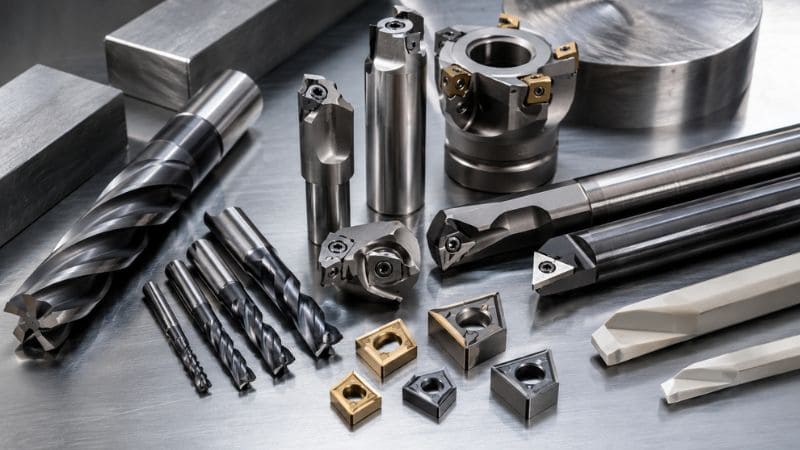
We use sub-micron carbide tools since their properties are superior to conventional carbides with regard to toughness and durability.
They are durable in rough cutting conditions and ensure more consistent wear of the cutting edge.
AlTiN coating of cutting tools provides improved protection against overheating and oxidation.
We utilize these coatings because they prevent oxidation, flank wear, and heat damage while machining high-strength steels.
Negative rake angle cutting tools provide better durability and resistance to chipping.
Despite increasing the cutting force somewhat, such tools prove to be much more stable.
In some cases, especially when working with high-speed machining operations, ceramic tools prove efficient due to their thermal and mechanical durability.
They are preferable for finishing operations on hardened steel parts since carbide tools are excessively worn there.
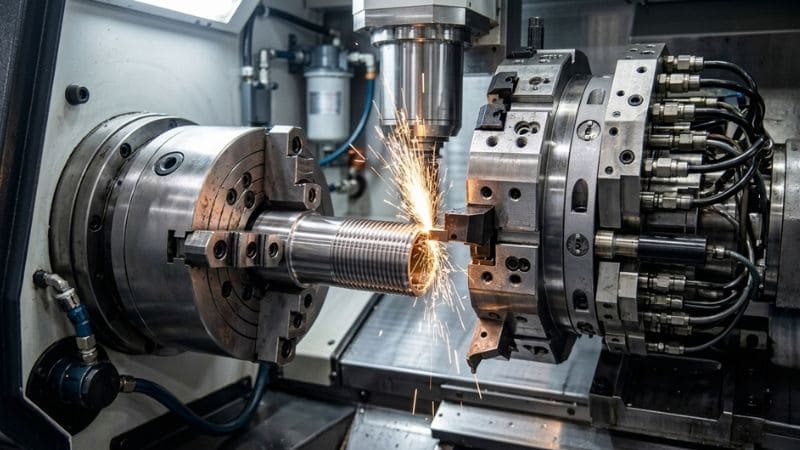
Our experience has taught us that, among other ways, high-feed milling is extremely reliable when roughing high-strength steels since it provides for consistent cutting forces independent of the high material removal rate.
Our trochoidal approach is usually employed when working with deep pockets and restricted tool geometries, in order to avoid tool overload due to continuous loading.
The stepovers used in this method range between 5% and 12%, since it helps maintain consistent tool load, avoiding heat buildup at the edge and facilitating chip removal from the cut, especially when working with hardened or alloyed materials. It also reduces tool breaks when running unattended long-term operations.
Before adjusting any cutting parameters, we first take into account rigidity.
We limit our overhang to 2.5-3 diameters by employing shrink-fit or hydraulic holds like HSK-63 or anything similar. Fixture clamping forces range from 20 to 40kN, depending on the intricacy of the component being manufactured. Vibrations are easily evident in parts due to tolerance variations or surface chatter, especially on thin-walled automotive components.
We use chip thinning to increase efficiency while maintaining tool security.
To maintain effective chip thickness, feed rates should be increased by 20-60% when radial engagement is less than 50% of the tool diameter. This approach predicts tool wear during semi-rf and fin machining under real-world conditions, balancing surface quality and cycle-time targets.
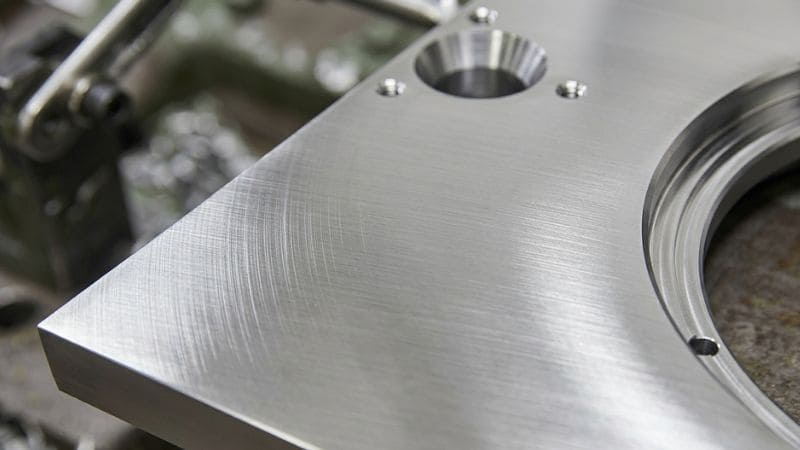
Cracks of micro sizes can emerge during unstable machining operations and extend further when subjected to alternating stresses, especially in steel grades with a tensile strength higher than 1,000 MPa
In our machining process, we ensure low-speed machining (60-180 m/min) and perform light finishing cuts less than 0.2-0.3 mm deep.
Tensile residual stresses adversely affect fatigue strength by making components more susceptible to crack formation upon repeated loading.
During our machining, we ensure stable cutting paths with carefully chosen finishing parameters to reduce thermal and mechanical stresses.
A surface finish is important regarding fatigue performance, surface treatment, and assembly.
Usually, we keep Ra at the level of 0.8-1.6 µm when manufacturing safety parts, whereas critical load-carrying surfaces have to be kept below 0.8 µm.
In terms of manufacturing, machining high-strength steels for automotive safety components requires solving issues such as work hardening, heat generation, and tool wear in both AHSS and boron steels. The concerns have a substantial impact on the accuracy and integrity of parts containing crash components and reinforcements.
At DEK Automotive, we provide solutions by adopting machining techniques and procedures that ensure repeatability and adherence to quality standards. Contact us to get OEM manufacturing capability and for more information.
Alan specializes in the machinability and structural integrity of high-performance automotive materials like Magnesium and 6061/7075 Aluminum. He ensures these alloys maintain their mechanical properties after heavy metal removal, providing technical backing for critical CNC-machined EV components.
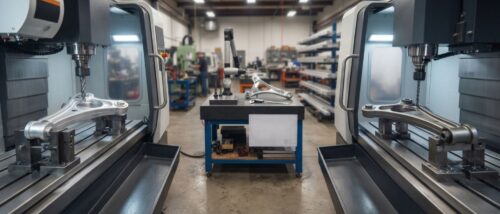
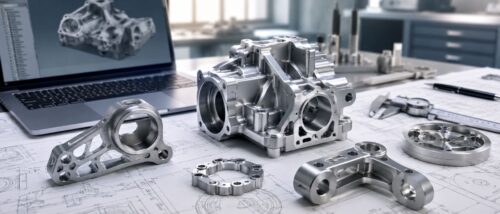
We integrate advanced machining, specialized materials, and surface finishing to deliver mission-critical parts that meet every rigorous automotive standard.
Fill out the form below and our team will get back to you promptly with a personalized quote tailored to your needs.