A vehicle maker (the OEM) buys few parts directly. Most of a car reaches the assembly line through a pyramid of suppliers: Tier 1 suppliers deliver complete systems to the OEM, Tier 2 suppliers make the components inside those systems, and Tier 3 suppliers provide the materials.
A tier 2 automotive supplier therefore supplies parts or sub-components to Tier 1 suppliers rather than directly to the OEM, although many companies work at both levels depending on the program. Knowing who is responsible for what at each level helps engineers and buyers choose the right supplier for each stage of a program.
| Level | Supplies to | Typical products | Example |
| OEM | End customers, through dealers or direct sales | Complete vehicles | A vehicle brand that designs, assembles and sells cars |
| Tier 1 | The OEM | Systems, modules: seats, axles, e-drive units, brakes, battery packs | A system supplier that ships a finished e-drive unit to the OEM plant |
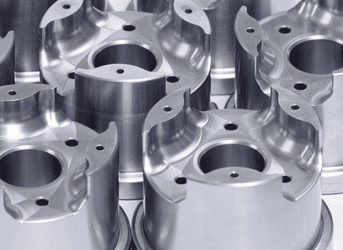
| Tier 2 | Tier 1 suppliers, sometimes the OEM | Machined housings, castings, stampings, fasteners, electronic parts | A machining supplier that makes the housing of the e-drive unit |
| Tier 3 | Tier 2 and Tier 1 suppliers | Raw and semi-finished: bar stock, aluminum ingot, extrusions, coatings | A mill or extruder supplying aluminum bar to the machining supplier |
The levels describe a relationship, not a company size. The same company can be a Tier 1 supplier on one program and a Tier 2 supplier on another.
The chain beyond Tier 3 is often called “Tier n”.
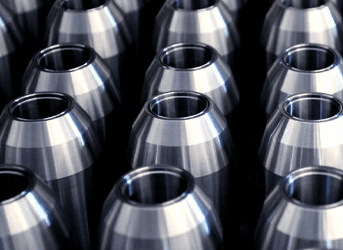
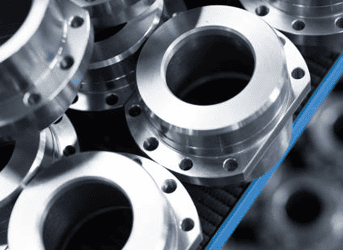
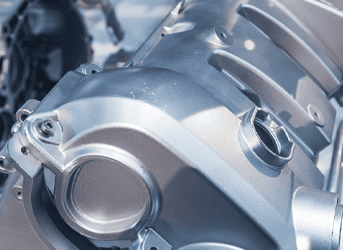
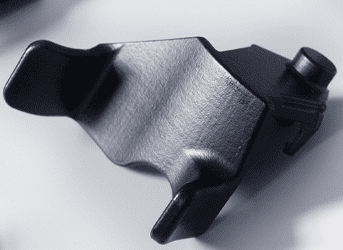
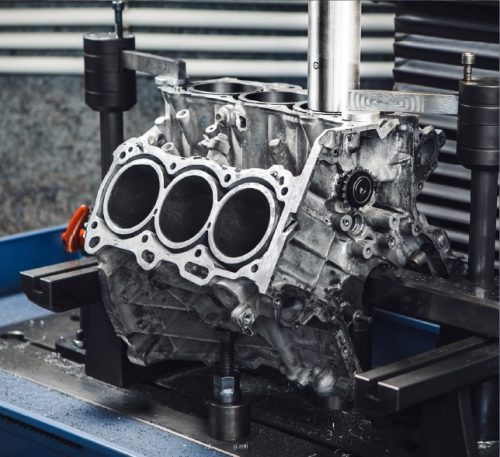
A Tier 2 supplier manufactures components to the drawings and quality requirements of its customer, usually a Tier 1 supplier and sometimes the OEM. Most Tier 2 suppliers are process specialists: machining, casting, stamping, forging, plastic molding or electronics assembly.
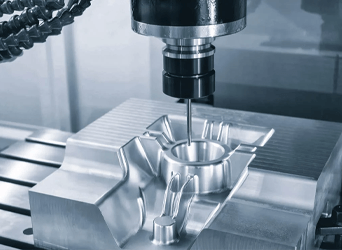
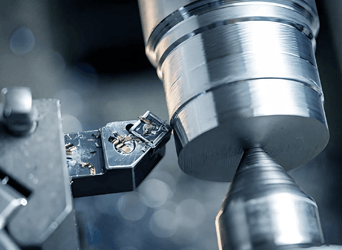
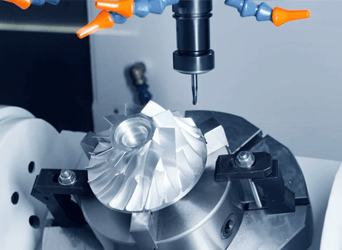
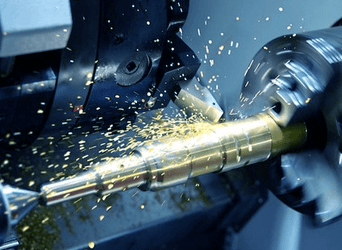
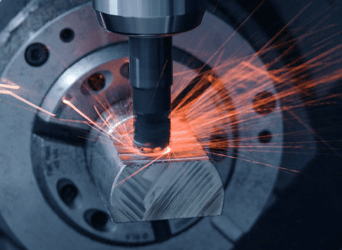
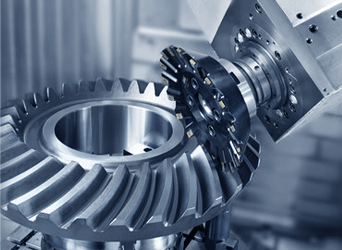
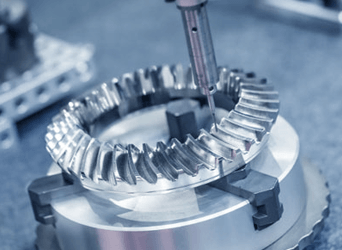
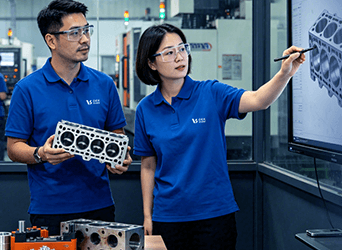
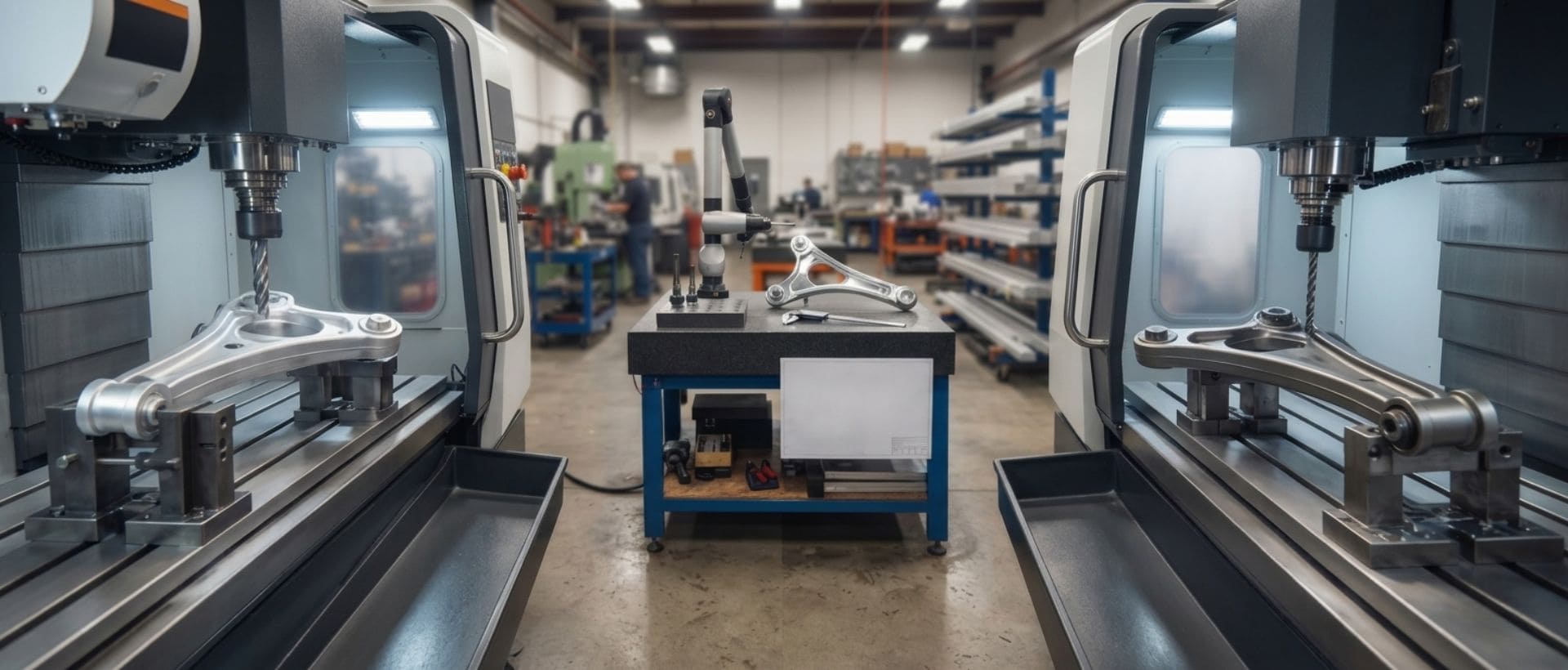
They choose the process route, fixtures and inspection plan that produce the part; they do not design the system the part goes into. Precision CNC machining is a typical Tier 2 process, and it is the core of our automotive machining services.
The Tier 2 supplier is responsible for part quality and delivery: dimensions, material, finish, documentation and on-time shipment.
Its own suppliers (material, heat treatment, coating) are Tier 3, and the Tier 2 supplier manages them through sub-tier management: it passes down the requirements it received and checks that they are met.
| Topic | Tier 1 supplier | Tier 2 supplier |
| Design responsibility | Designs the system or module, often with the OEM | Builds to the customer’s drawing; may suggest DFM changes |
| Contract | Directly with the OEM | With the Tier 1 supplier, or with the OEM for some parts |
| Validation scope | Validates the system to OEM spec (durability, function, safety) | Validates the part against the drawing (dimensions, material, finish) |
| Typical size | Often large, multinational groups | From specialist workshops to large component groups |
| Documentation flow-down | Receives OEM requirements and passes them down | From Tier 1; passes material and process requirements to Tier 3 |
These expectations are general market practice; they vary by customer, program and volume.
Expectations differ between stages. A large-series program asks for the full set.
An engineering, validation, pilot or low-volume project usually asks for inspection reports on request, material traceability and fast engineering response, with the series documentation agreed later if the program goes to production.
The pyramid is not always followed. Component suppliers often work directly with the OEM or with a technology company in these cases:
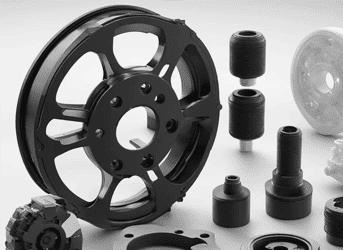
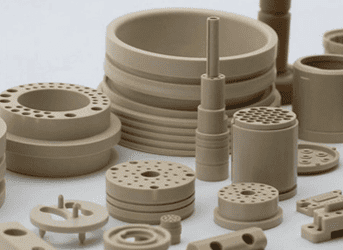
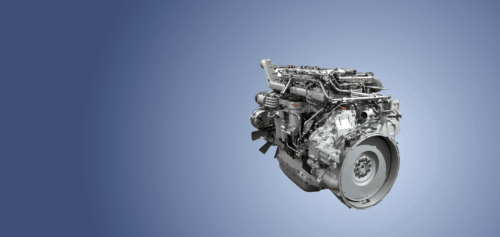
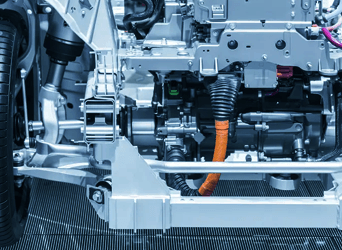
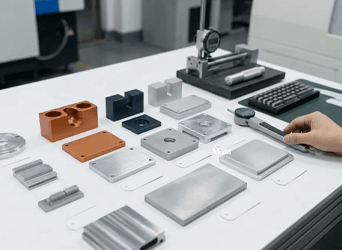
We machine components to drawing for EV components and ADAS programs, battery and thermal parts, automotive electronics housings, and powertrain components and chassis parts.
Our work covers engineering samples, pilot batches, low-volume batches and repeat production, rather than large-series production.
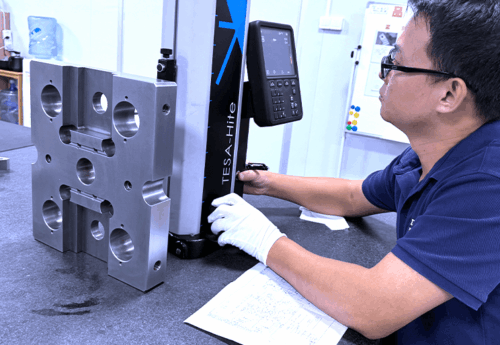
The documents we provide on request are described under quality and inspection: FAI and inspection reports, CMM reports, and material certificates with traceability.
With each quotation we add DFM feedback and process-route suggestions to reduce cost and risk. Company background is under about DekAutomotive.
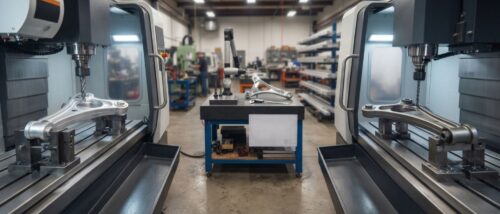
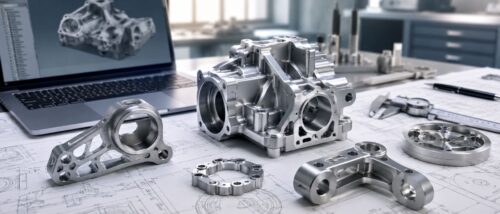
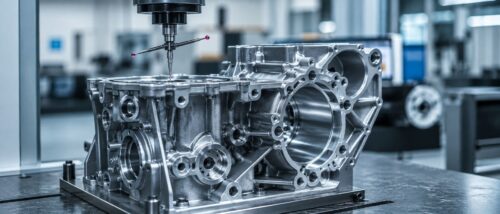
We integrate advanced machining, specialized materials, and surface finishing to deliver mission-critical parts that meet every rigorous automotive standard.
Fill out the form below and our team will get back to you promptly with a personalized quote tailored to your needs.