Alan • Published 06 2026 Aug
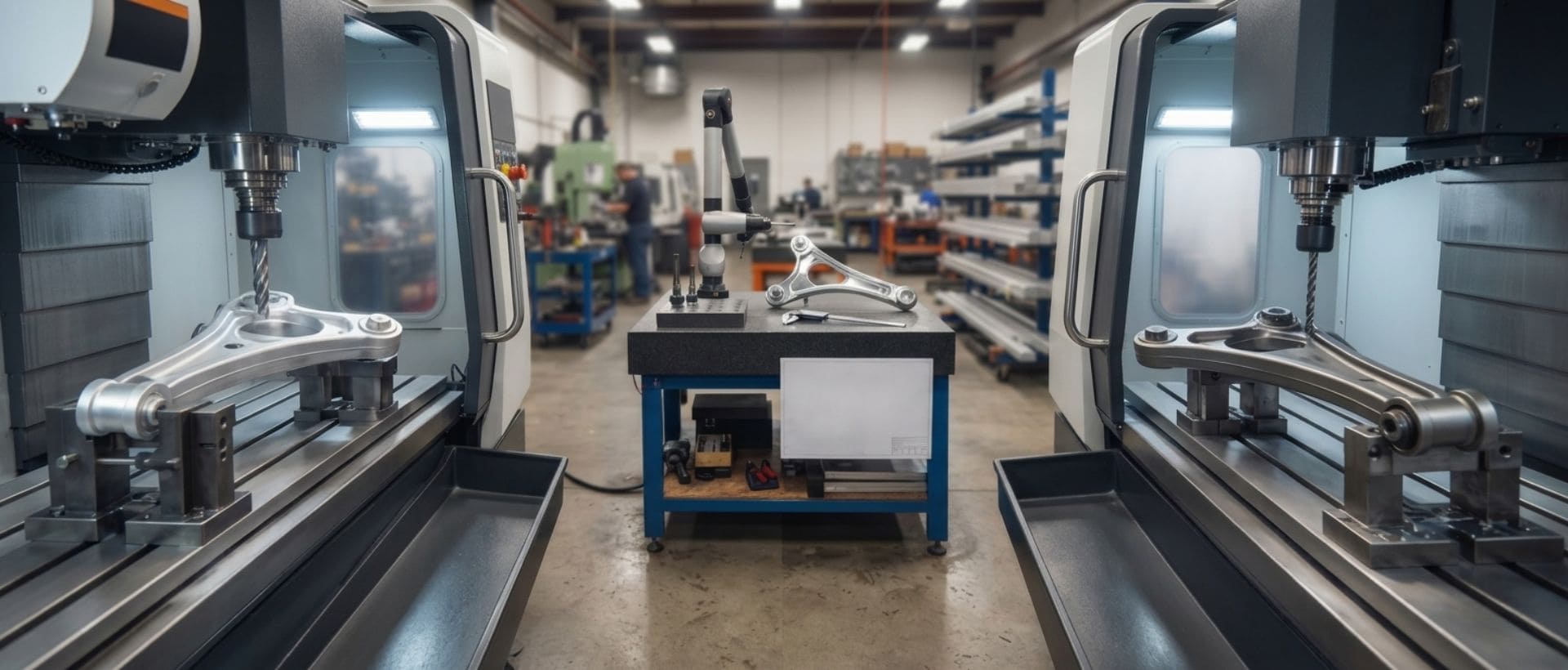
Grades used on parts are covered under aluminum alloys for automotive parts.
The automotive industry is observed shifting towards lighter and more efficient vehicles as a result of growing demand for aluminum alloys. In this quest, choosing the right material for high-load components becomes critical.
Generally, that reduces your choice basically to Al6082 vs. Al7075. The first offers corrosion resistance and weldability for structural frames, while the latter offers ultra-high stress steel-like performance for load-bearing parts.
Al6082 is a strong aluminum alloy that can be found in multiple industries. Usually (in T6 temper), this material offers good corrosion resistance, good weldability, and ease of machining with good efficiency. Because it works very well on extrusion, this is the preferred choice for intricate structural frames, sub-frames,and crossmembers in the automotive industry.
Al7075 is a 7000 series alloy that is mainly alloyed with zinc. Often mentioned in temper T6 or T651, it is one of the highest-strength aluminum alloys available, with a tensile strength comparable to many structural steels. Because of this extreme strength-to-weight ratio, it is essential for high-performance applications where critical loads are involved, such as suspension knuckles, steering components, and high-stress brackets.
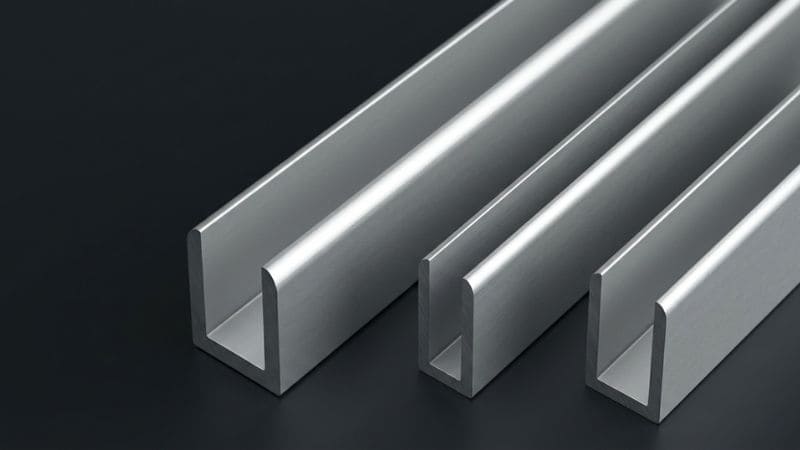
Al6082 is a moderate-strength, highly ductile material derived from a balanced combination of magnesium and silicon, leading to stabilizing precipitates. Al7075, on the other hand, has a high concentration of zinc and magnesium, which creates a much harder crystalline lattice to maximize tensile strength.
The increase in copper content in Al7075 alloy alters its precipitation strengthening to give maximum yield, but at the same time increases stress corrosion cracking susceptibility. Al6082 does not include this copper addition and naturally resists harmful environmental factors, such as road salt, without the use of heavy coatings.
Al6082-T6 reaches a static low-stress condition during an artificial aging process, making it highly predictable for further forming or welding after the treatment. On the flip side, the pre-stretched T651 temper is often used with Al7075 because it requires careful control of thermals to prevent heavy quenching stresses and distortion of parts in cutting.
Al6082 has high ductility and low friction, which reduces total tool wear. On the other hand, chips generated during the cutting of Al7075 are quite clean and do not build up on the cutting tool. However, the material requires high cutting forces; it causes rapid tool wear and micro-cracking of the material due to heat build-up.
Analyzing the mechanical properties of Aluminum 6082 vs 7075 can determine where each substrate can be deployed safely and efficiently in automotive structures. An engineering trade-off is highlighted when comparing the strength of Al 6082 with 7075. This is because one is lighter, energy-absorbing, and extrudable, while the other is a pure tensile strength/ultimate load material.
| Mechanical Property | Al6082-T6 | Al7075-T6 |
| Tensile Strength | ~310 MPa | ~572 MPa |
| Yield Strength | ~260 MPa | ~503 MPa |
| Hardness | ~95 HBW | ~150 HBW |
| Fatigue Resistance | Moderate (~95 MPa) | High (~160 MPa) |
| Impact Toughness | High (Good energy absorption) | Moderate (More brittle under sudden shock) |
| Density | 2.70 g/cm3 | 2.81 g/cm3 |
| Elastic Modulus | 70 GPa | 71.7 GPa |
As the matrix of Al6082 is softer and more ductile, less abrasive wear occurs, which results in a longer tool life of conventional carbide cutters. On the other hand, the high hardness and zinc-copper content of Al7075 mean rapid wear of the tool flank, which requires more robust geometries and coatings.
Al6082 has a very high cutting speed and feed rate, making it ideal for very fast roughing in OEM mass production. When machining Al7075, the cutting speeds should be more conservative, and the feed should be adjusted appropriately to avoid heat build-up and premature tool breakage.
Al6082 creates continuous long chips, which tend to gamble, so a very aggressive chip breaker is required, and high-pressure coolant is needed as well to prevent gambling around the spindle. On the other hand, Al7075 fractures into tiny brittle chips, which easily evacuate from the cutting zone, minimizing the chances of scratching the part.
To get a good surface finish on Al6082, speed control is necessary, as this material tends to form built-up edge (BUE), which will affect the surface finish. Al7075 shears cleanly without any welding of the material on the tool tip and gives a consistent, mirror-like surface finish after machining.
Thin-walled components made of Al6082 show a very good dimensional capability due to the low level of internal stresses released while machining. Al7075 distorts easily during aggressive pocketing, so the stress-relieved T651 temper is required for maintaining tight automotive tolerances.
Al6082 features low wear, which means that it allows for fewer tool changes and a reduced cost of consumables over long production runs. On the other hand, running Al7075 increases total tooling cost as inserts get worn quickly and need to be replaced often. Also, premium-grade, heat-resistant tool coatings are required.
Al6082 is naturally resistant to salt spray and moisture by forming a stable oxide layer, which prevents the base metal from pitting without mandatory surface treatments. Al7075 contains much higher copper and zinc content, which makes it much more prone to galvanic corrosion. Hence, it requires strong protection from harsh winter roads.
Al6082 is virtually immune to stress corrosion cracking (SCC), making it extremely safe for components subjected to continuous and long-term tensile loading. The application of sustained tensile stress to Al7075 in the standard T6 temper, however, poses a high risk of sudden SCC failure. This often leads to engineering specifications for over-aged tempers such as T73 to mitigate this risk at the expense of some tensile strength.
Al6082 is suitable for decorative and hard-coat anodizing, which is a good process that is uniform and highly protective with perfect adhesion. When Al7075 contains more alloying elements, it will create less uniform anodic layers. These are color-unequal and have less adhesive quality for protective sealants as well.
Continuity of chassis components made from Al6082 continues to hold good over time with debris and humidity with little maintenance. The chassis parts made out of Al7075 provide remarkably high initial strength but must be monitored over their lifecycle. Further, it should have a defect-free coating. Any localized corrosion can cause fatigue failure that can cause failure.
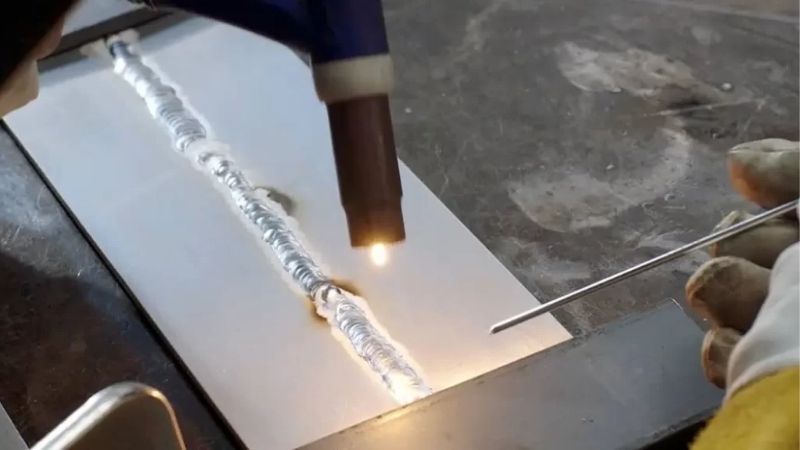
Despite offering excellent weldability and ease of fabrication by conventional fusion methods, Al6082 is more easily welded. On the contrary, Al7075 is highly susceptible to solidification cracking and is considered unweldable by conventional methods. As a result, structural fabrication of Al7075 relies almost entirely on mechanical fastening or advanced solid-state welding like friction stir welding.
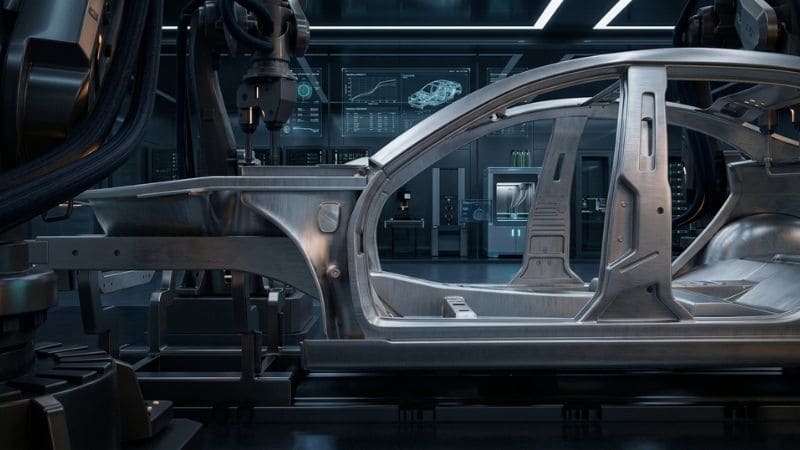
Al6082 is easy to weld using conventional MIG and TIG methods. It is widely used in robotic assembly lines that manufacture structural frames. In contrast, Al7075 is often considered non-weldable by conventional fusion methods due to hot cracking and solidification problems that arise from its high zinc and copper content.
The hardness reduction in the HAZ of Al6082 can be predicted and controlled during the joint design stage. Welding involves localized heating to a high temperature, which is severe enough to destroy the precipitate structure of Al7075 in the HAZ, rendering this area very susceptible to sudden failure.
Al6082 retains much of its mechanical properties after welding, whilst its joint strength can be partially restored by post-weld artificial aging. Due to the complete compromise of the microstructural integrity of Al7075 by fusion welding, post-weld strength crashes, making the joint not capable of sustaining high structural loads.
The material flow properties of Al6082 are so good that it can be extruded into complex multiple profiles easily and formed into a chassis easily. Al7075 is much less ductile and highly non-deformable. Due to this, its extrusion possibilities do not go beyond simple shapes. Also, a special hot-forming technique is used to prevent tearing.
Managing thermal distortion during the assembly of Al6082 is relatively simple since its thermal expansion coefficient is predictable. This allows standard clamping and sequencing fixes to be used. Al7075 has very high residual stresses locked up inside, due to which any uneven thermal input from advanced joining techniques can cause severe warpage and hence needs to be highly fixtured to achieve auto grades.
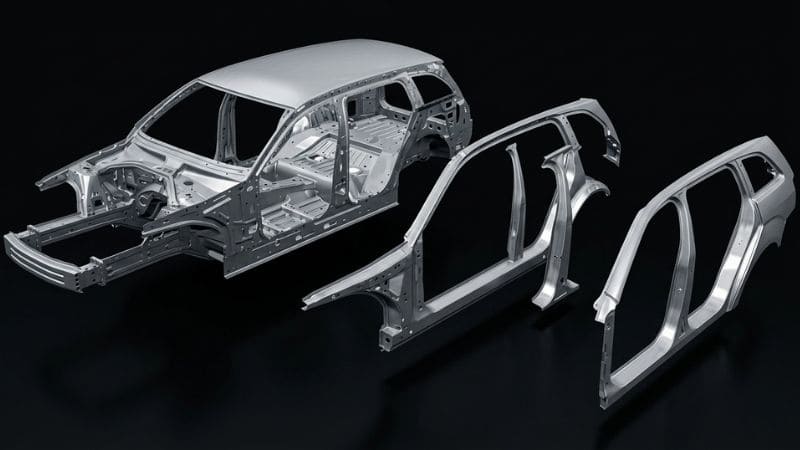
This alloy is the most widely used material for normal vehicle structural components because of its excellent formability, corrosion resistance, and proven field performance.
Subframes and Crossmembers: The chassis can be welded and fitted with a steel sheet that has high fatigue strength and weldability to absorb the road’s vibrations.
Floor Pan Reinforcements: These components depend on the material, which is easily extruded into complex, hollow profiles to maximize crush-zone volume and shield the vehicle underbody.
Engine Cradles and Mounting Structures: Due to the high impact toughness of the metal, these frameworks can support heavy powertrain components and safely absorb dynamic loads.
Body Structural Extrusions: Manufacturers prefer this alloy as it flows easily into complex shapes with thin walls that are optimal for structural weight efficiency.
Bumper Beam Supports: A key feature of these assemblies is that they have superior energy-absorption capacity, which ensures that during a front or rear collision, the component deforms predictably to manage impact forces.
Al7075 is a high-stress structural metal. It is used for parts like chassis crossmembers, suspension knuckles, and bumper beams due to fatigue resistance and high strength.
High-Load Suspension Arms: The extremely high tensile strength of this material ensures that the components do not bend or deform when cornering at high speeds and also during harsh impacts from the road.
Steering Knuckles And Uprights: The hard alloy of this wheel stops local distortion from happening under heavy braking force, which maintains the alignment of the wheel to be true.
Chassis Reinforcement Brackets: These stiff connectors make use of the metal’s high fatigue limit to avoid structural flexing while preventing fatigue cracks from critical frame junctions.
Drivetrain Mounting Interfaces: This alloy enables shear resistance and structural stiffness management of high-torque powertrains that create violent torsional forces.
Motorsport Structural Components: This grade offers an unmatched strength-to-weight ratio that enables race vehicle assemblies to reduce rotational mass while ensuring highest structural safety.
The production efficiency and the durability will depend on whether you select Al6082 or Al7075. The Al6082 provides predictable energy absorption and ease of fabrication for mass-market platforms, while the Al7075 provides the uncompromising stiffness necessary for elite motorsport and high-load applications.
Have DEK Automotive help with your next project, including material specification and impeccable production. Contact our experts today to enhance your competitive edge in manufacturing.
Alan specializes in the machinability and structural integrity of high-performance automotive materials like Magnesium and 6061/7075 Aluminum. He ensures these alloys maintain their mechanical properties after heavy metal removal, providing technical backing for critical CNC-machined EV components.
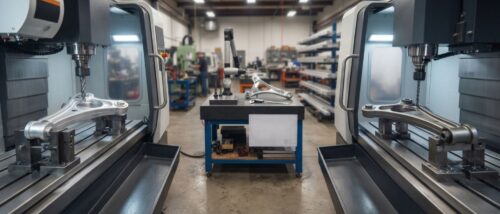
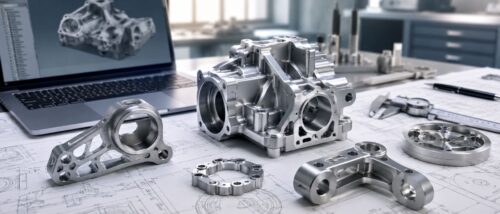
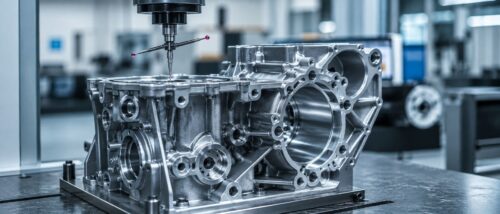
We integrate advanced machining, specialized materials, and surface finishing to deliver mission-critical parts that meet every rigorous automotive standard.
Fill out the form below and our team will get back to you promptly with a personalized quote tailored to your needs.