Kim • Published 29 2026 May
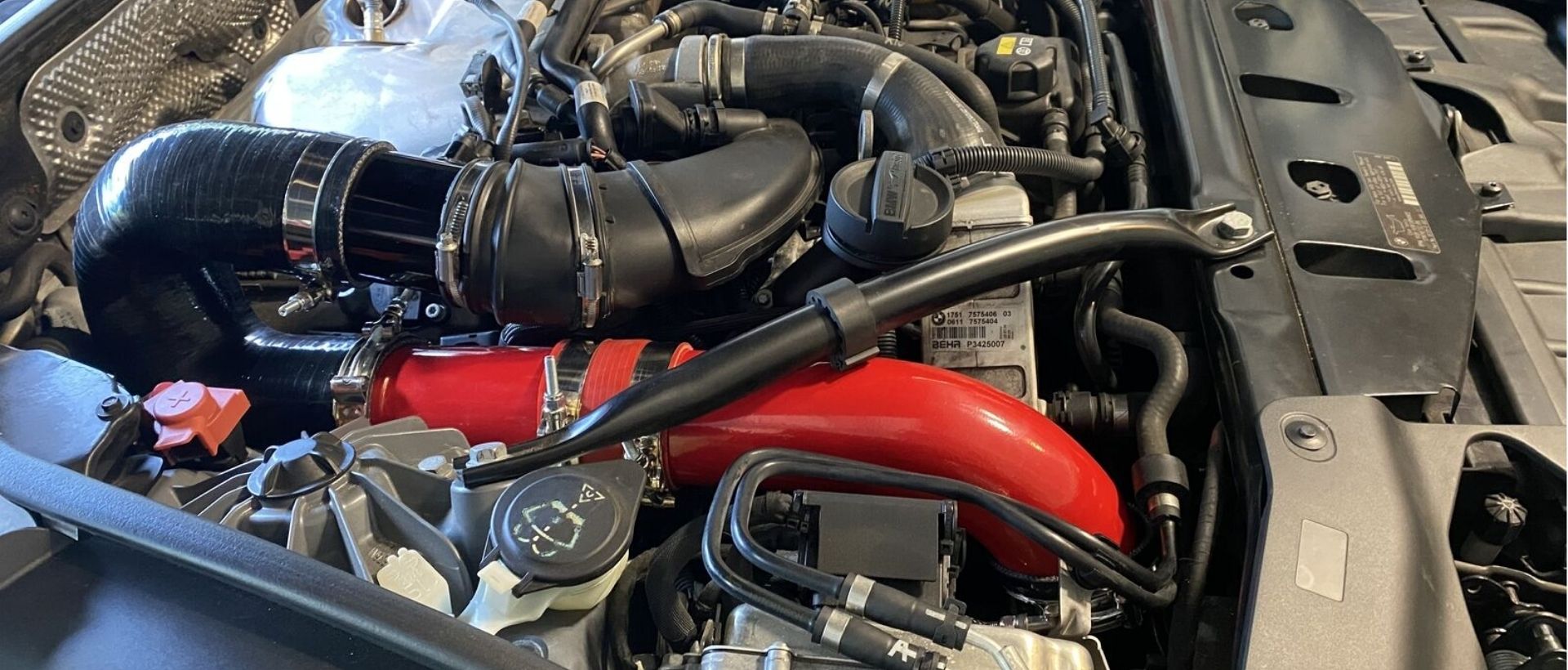
Many modern vehicles utilize sensors in monitoring temperature, fuel efficiency, motion, pressure, etc. With that, it provides adequate data and signals needed for automotive safety and performance. However, they must be designed with an accurate enclosure for optimal functioning. This blog explains all you need to know about sensor housing.
Sensor housing is a protective enclosure that prevents the internal sensor components and electronics from environmental factors like dust, moisture, temperature, EMI, chemicals, and so on.
As such, it ensures the sensors maintain signaling accuracy and consistent performance.

Sensors operate in harsh conditions like high temperature, moisture, dust, and chemical exposure. With well-designed housing, sensor parts are protected from these factors, thereby preventing failure and damage, and improving their lifespan.
Many automotive sensors are usually placed close to the exhaust unit, where the temperature can be above 500 degrees Celsius. As such, materials including stainless steel and aluminum help dissipate heat to aid sensor functioning.
Moreso, sensor housing provides protection against electromagnetic interference, which can affect signaling. Because of that, aluminum and stainless steel are used for the enclosures.
A well-designed housing also allows for easy integration and mounting. It provides cable routing support, alignment accuracy, simple replacements, maintenance, and so on.
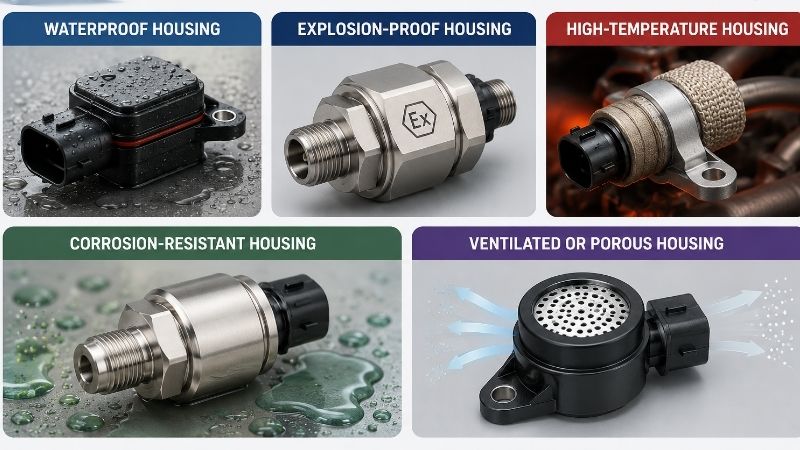
This housing gives protection to the sensor part in wet and humid conditions, thereby ensuring they maintain performance.
Usually rated IP67 or IP68, they are commonly used for exterior automotive sensors. Beyond that, they are designed with O-rings and hermetic seals to prevent water ingress.
Explosion-proof sensor housings are used in environments where there are flammable gases or vapors.
With that, they help prevent sparks or heat from igniting surrounding materials. They are usually made with stainless steel and must be ATEX and IECEx compliant for safety
Many sensors function close to engines, exhaust, and braking units, and the turbocharger, where temperatures are consistently high. As such, enclosures must be designed to withstand heat, ensure accuracy, and durability.
These are made to protect sensors against corrosive materials like acids, chemicals, fuel, etc. They are made of stainless steel, titanium, and PEEK to enhance lifespan and performance.
Ventilated housing allows airflow to the internal part while preventing exposure to dust, moisture, and contaminants. So they are with some membrane material like PTFE for air molecules to pass through it.
| Threat Type | How Sensor Housings Protect |
| Moisture and Liquids | Hermetic seals, O-rings, and reinforced mechanical interfaces protect the sensor against moisture |
| Dust and Particulates | Seals with IP rating IP 67 and IP68 prevent the sensor from dust and other contaminants |
| Mechanical Impact | Housings are made with high-strength plastics and metals to avoid cracking or damage. |
| Corrosion | Stainless steel, aluminum, and PEEK are used to withstand corrosive environments. |
| Electromagnetic Interference | Coatings and conductive housings eliminate EMI |
| High Heat | Heat sinks are included in the design, and temperature-resistant materials are used. |
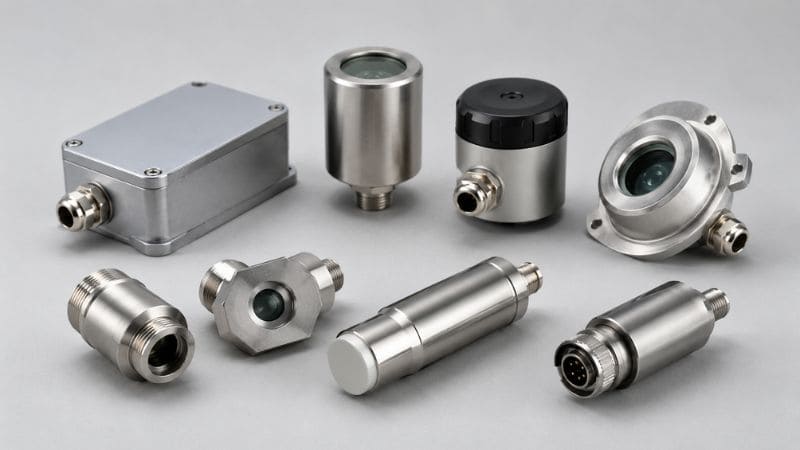
Aluminum alloys suitable here are 6061 and 7075. It offers lightweight, durability, corrosion resistance, electrical and thermal conductivity, etc. Beyond that, it is easy to use machines, and it provides good EMI protection.
Stainless steel is used for automotive sensor housing because of its great strength, durability, temperature and corrosion resistance, and easy machinability. Common alloys used are 304, 316L, and 303.
Although magnesium is lighter than aluminum, it requires some coating to prevent corrosion. As such, it is used in electric vehicle sensor housing applications where low weight matters.
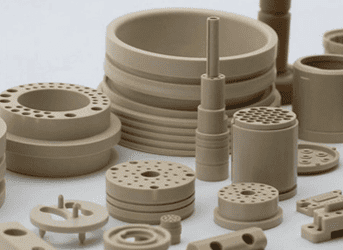
PEEK is a high-performance plastic valued due to its exceptional strength, lightness, and chemical resistance. It also maintains its structure even in high temperatures up to 170 degrees Celsius. Beyond that, it offers electrical insulation and dimensional stability.
This offers corrosion resistance, electrical, and thermal conductivity. Apart from that, it can be easily machined into shape. They are valuable for pressure and hydraulic sensor applications.
Several black sensor housings are made with PPS because of its dimensional stability and durable surface finish. The plastic is also known for its heat, chemical, and flame resistance.
Adequate sealing helps protect the sensor from dirt, moisture, and other environmental conditions.
With that, O-rings, gaskets, and ultrasonic welding can be used. IP ratings usually contain two numbers, and they indicate the resistance level of the housing to environmental exposure.
Mounting can be done with many methods, such as adhesive, magnetic, or stud mounting, based on applications. Proper fit must also be ensured to avoid vibration and misalignment. Clearance fit must be provided as it enables easy assembling and disassembling.
The Coefficient of thermal expansion of the sensor material must align with that of the enclosure.
In high temperatures over 150 degrees Celsius, ceramics, PEEK, and nickel alloys are the best. Also, for hybrid designs with metal and plastics, the thermal expansion of both materials must be considered
With aluminum and stainless steel housing, EMI protection is provided. When plastic enclosures are involved, conductive gaskets or coatings should be utilized.
It must also be designed to meet the rules and standards of ISO 16750 and SAE J1455 to ensure safety. As such, it must be strong and heat, chemical, and vibration resistant.
Die casting works by injecting molten metal, usually aluminum and magnesium, into steel molds under pressure to create the housing components. It is suitable for complex, high-volume enclosure production, and it gives a smooth surface finish.
For injection molding, the molten materials like PEEK and PPS are subjected to or poured into the mold and allowed to cool to solidify and form the part. It produces lightweight, intricate parts and allows for color customization, like the green sensor housings.
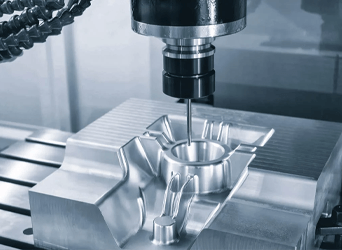
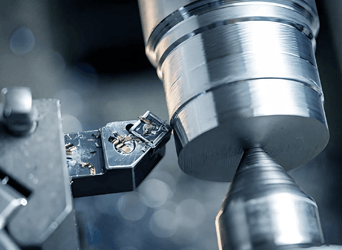
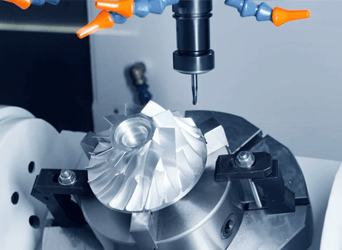
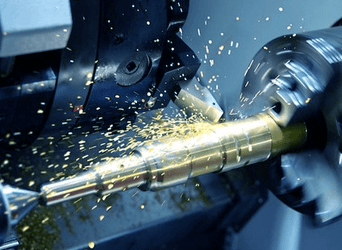
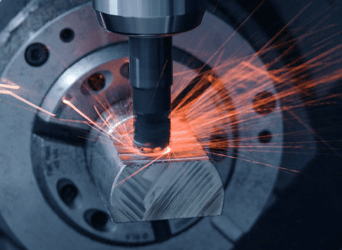
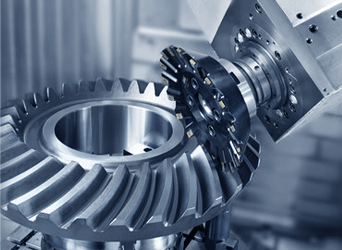
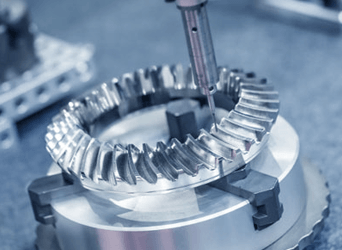
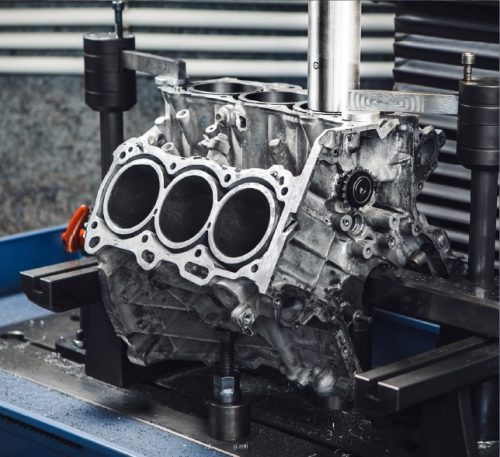
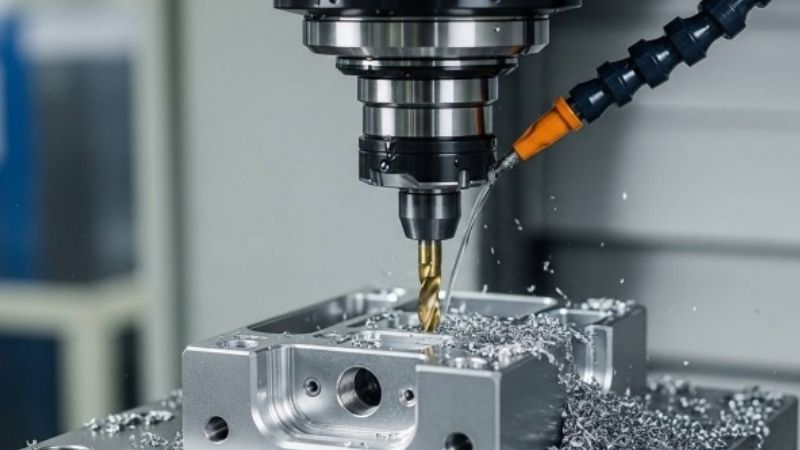
This utilizes CNC tools to remove materials from a workpiece to form the desired sensor housing components. CNC machining produces precise, accurate, and consistent parts, and it is compatible with many metals and plastics.
Future sensor housing may be designed with polymers capable of self-healing by sealing small cracks. As such, the materials will enhance durability, thermal management, and reduce maintenance needs.
As sensors are now being compacted, so is the housing too. This miniaturization will help reduce weight, save installation space, and improve integration.
Autonomous driving systems require LIDAR and RADAR, and their housing must be designed with self-cleaning surfaces so that the lenses can be prevented from dirt and contaminants. With that, accurate signaling and safety can be ensured.
Future housing will also include wireless communication features rather than external wiring and plenty of cables.
Sensor housing is important for environmental protection, heat management, and EMI protection. However, factors like sealing and IP ratings, thermal expansion and material compatibility, mounting and integration should be considered when designing.
DEK Automotive delivers high-quality, durable, and precise components like the sensor housing. From CNC machining, injection molding, 3D printing, and vacuum casting, we ensure every process follows thorough documentation and inspection. We are ISO 9001 and IATF 16949 compliant. Contact us today for a reliable collaboration.
Kim oversees engineering operations, including complex CNC programming, DFM reviews, and solving challenges associated with high-precision automotive components. He specializes in strict tolerance control and multi-axis machining of complex geometries essential for powertrain modules, suspension systems, and ADAS sensor housings. Outside of work, he enjoys the precision and strategy of playing snooker.
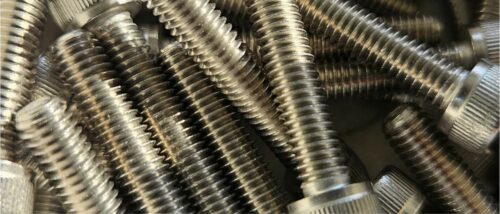
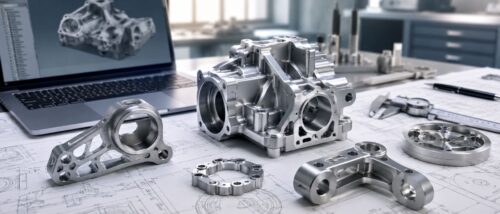
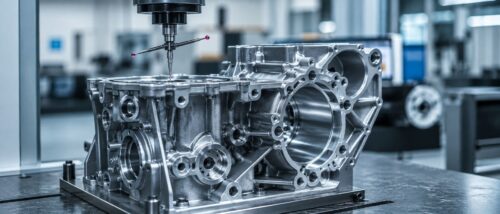
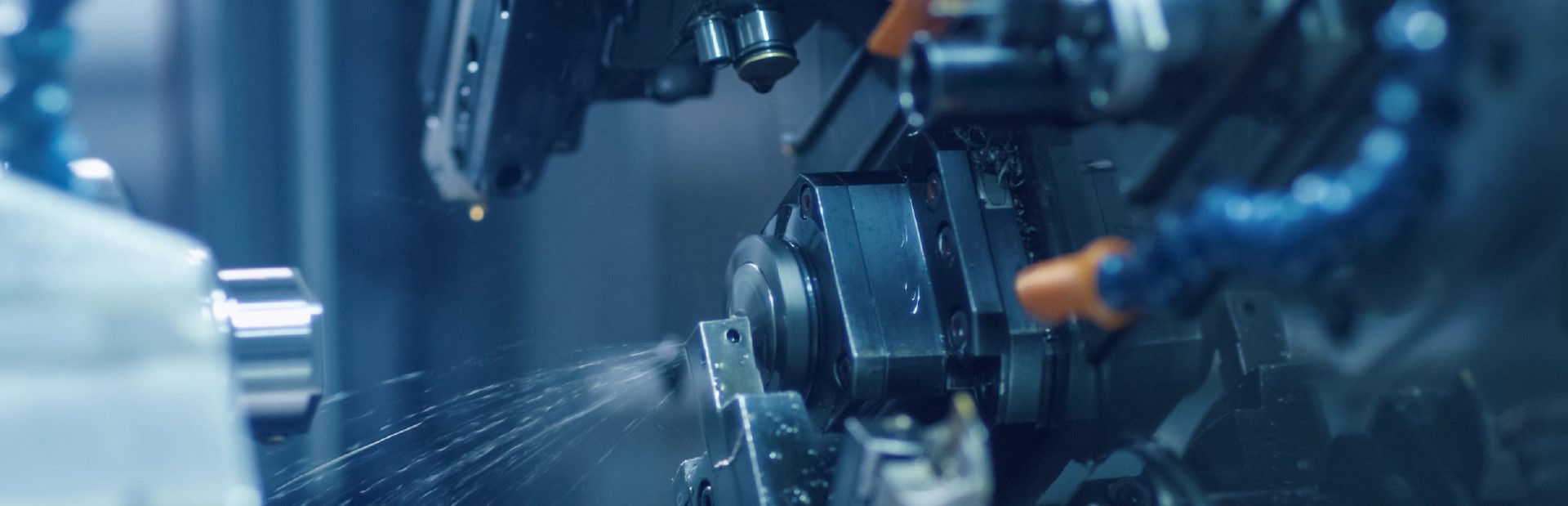
We integrate advanced machining, specialized materials, and surface finishing to deliver mission-critical parts that meet every rigorous automotive standard.
Fill out the form below and our team will get back to you promptly with a personalized quote tailored to your needs.