Peter • Published 01 2026 Sep
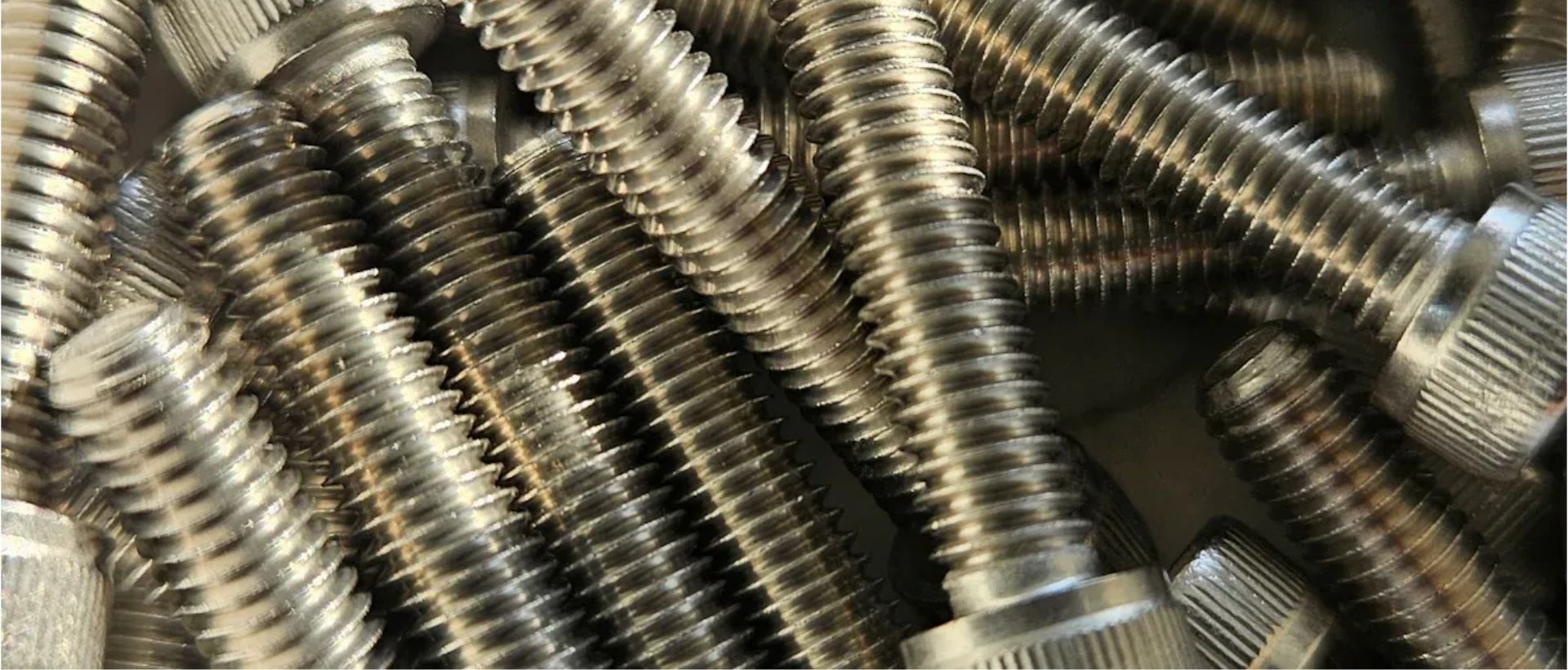
Modern assembly lines use hardware that can handle severe stress. Choosing the right automotive fasteners assures structural soundness in various vehicle platforms.
In this feature, we will discuss how these locking devices work.
Automotive fasteners are mechanical hardware that is designed to join vehicle parts under severe operating conditions. The industry uses a wide array of hardware, including high-tensile threaded bolts and specialized clips and screws, which are designed to resist continuous vibration, thermal cycling, and intense mechanical stress.
Manufacturers maintain careful tolerances so that these restraining components do not loosen or suffer structural fatigue over time, which is essential for the joint safety of vehicles.
The structural strength of a vehicle relies entirely on its connection points, where the fasteners hold the parts together. These little components keep the joints from loosening because of the engine vibrations and bumpy roads. The type of material and strength rating prescribed in every area affects the safety of the vehicle, decreases transmission of noise into the cabin, and prevents failure of critical parts under daily driving conditions.
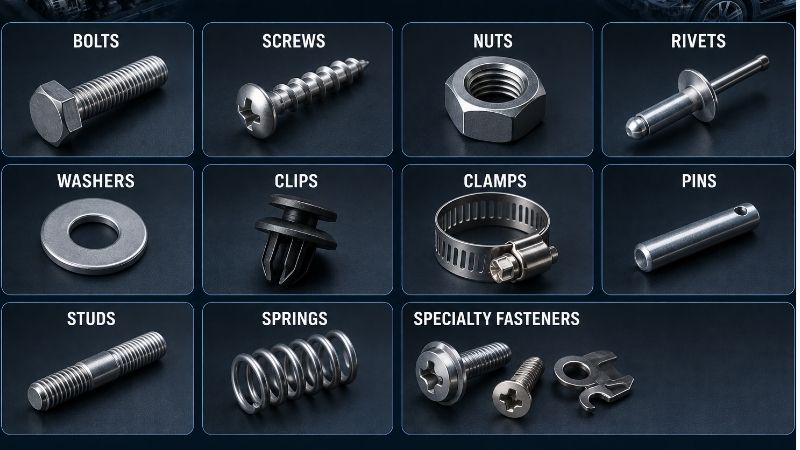
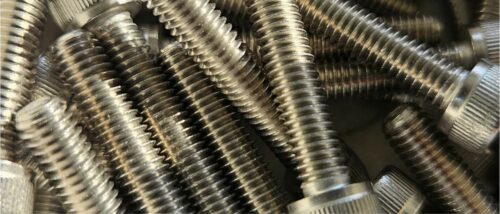
These threaded shafts cannot be used just anywhere because a nut or a tapped hole is needed to fit the thread. These are used on high-stress components like engines or suspension components. They apply a high clamping force to hold together structural parts under high pressure.
Unlike bolts, these components usually cut their own threads into a soft material such as wood, plastic, or sheet metal. These are often used to fix interior panels, dashboards, and lightweight housing assemblies.
Fasteners with internal threads fit right onto a bolt and secure parts together. They resist the pulling actions that try to separate the bolt from the rest of the joint.
Permanent, unthreaded, and installed through pre-drilled holes and deformed at the opposite end to make them tight. These are perfect for joining body panels and heat shields where regular disassembly is not required.
The load applied by a bolt or nut on the surface material is distributed uniformly by means of flat or curved discs. These nuts shield the surfaces being fastened and prevent loosening.
These non-threaded, snap-on ones are ideal for quick installation and disassembly for maintenance purposes. These are the common types of plastic automotive fasteners for securing interior trim and wire routing.
These adjustable loops apply even external pressure to seal fluid connections safely. They secure radiator hoses and fuel lines in place to prevent leakage despite changing temperatures.
These cylinder-like pieces either fit identical parts together in a precise manner or lock moving linkages so they cannot shift. These are important for the continuous movement of machines, such as shift mechanisms and steering columns.
Rods without heads that are permanently anchored into heavy engine blocks or wheel hubs with external threads. They can allow other components to slip over them easily and secure them with a nut.
These components stretch and bend without permanently deforming and then return to their original shape to maintain tension. They return brake assemblies and throttle cables to their rest positions in order to keep them working.
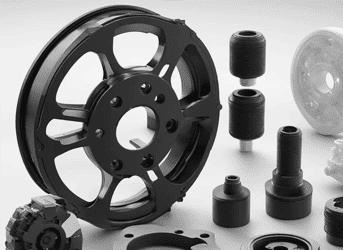
These custom-engineered components feature demanding geometries or thermal management requirements and are used in contemporary vehicles. They provide personalized lock solutions for specific locations insufficiently supported by standard hardware.
| Type | Function | Application |
| Bolts | High-clamping structural joints require a nut or threaded hole | Suspension mounts, engine blocks |
| Clamps | Circumferential adjustable loops for sealing fluid connections | Fuel delivery lines, radiator hoses |
| Clips | Non-threaded, snap-on hardware for rapid assembly and removal | Wiring harness routing, door panel moldings |
| Nuts | Internally threaded counter-pieces used for securing mating bolts | Chassis assemblies, wheel hubs |
| Pins | Cylindrical alignment rods that are used to prevent shifting in linkages | Steering column pivots, shift linkages |
| Rivets | Fixed, unthreaded deformation fasteners for fixed joints | Exhaust heat shields, body panels |
| Screws | Thread-cutting fasteners for soft or thin substrate materials | Light housings, trim pieces, interior dashboards |
| Specialty Fasteners | Custom hardware built for specific geometric or thermal demands | Localized sensors, high-performance racing components |
| Springs | Flexible, stores tension to reset moving parts | Throttle linkages, brake caliper return systems |
| Studs | Threaded rods that are headless and anchored directly into a heavy component | Exhaust manifold attachments, wheel lugs |
| Washers | Distribute load and protect surfaces, curved or flat discs | Structural joint faces, oil pan drain plugs |
Steel: This tough material is used in structural joints due to its high tensile strength and capacity to withstand extreme mechanical force.
Aluminum: This low-density metal helps cut down the weight of the vehicle without losing stiffness or its non-corrosive nature.
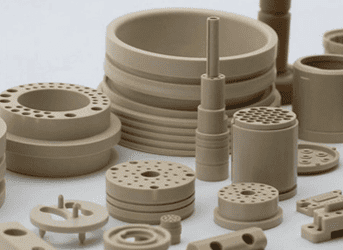
Plastics: Different types of plastic automotive fasteners secure the interior cabin trim, exterior molding, and wiring harnesses without weighing the vehicle down, thanks to versatile polymer use.
Titanium: This high-end metal has a better strength-to-weight ratio and heat resistance than any other metal, making it suitable for exhaust systems and racing powertrains.
Brass: This conductive and low-friction alloy is chosen for electrical ground points, fuel system connectors, and any sensors that require spark resistance.
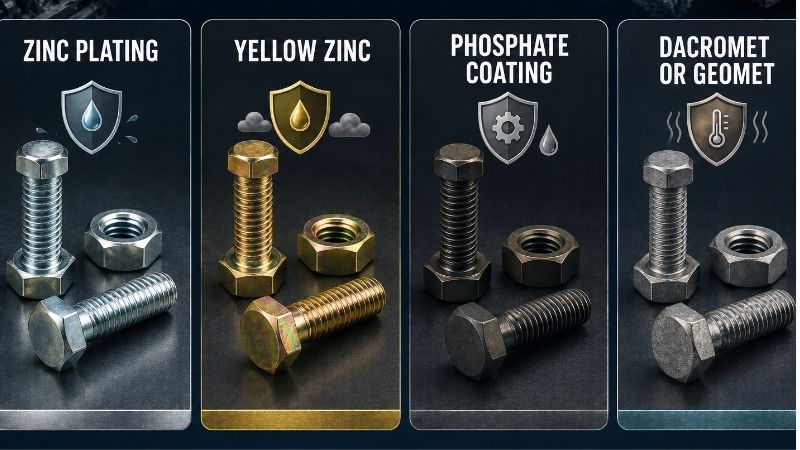
Zinc Plating: This electroplated sacrificial layer protects carbon steel fasteners against moisture exposure, which prevents rusting of the normal body and chassis hardware.
Yellow Zinc: Standard zinc plating has a gold color due to chromate conversion treatment. This also provides humidity resistance and chemical protection under the hood.
Phosphate Coating: This chemical treatment is porous and gives minimal rust protection. It serves as a vital base coat, absorbing oil or lubricant to prevent thread galling during high torque assembly.
Dacromet or Geomet: Zinc and aluminum flake coatings deliver thin film, high performance corrosion protection that is able to sustain extreme heat cycles without resulting in hydrogen embrittlement of high-strength engine and suspension bolts.
Engineering teams must analyze the tensile, shear, and fatigue stresses that the joint will experience when operating in service to determine a fastener grade that will withstand those forces without yielding.
Verify that the fastener material will not cause galvanic corrosion with the host metals; the constituent metals making contact with the fastener must be the same or compatible, and if not, the connections will weaken and degrade.
Choose suitable materials or specialized protective coatings for the joint to be exposed to road salt, high humidity, chemical fluids, and extreme under-hood operating temperatures.
In order for the joint to achieve the optimum clamping force when loaded during installation, the pitch of the thread and the engagement length must match that of the receiving material to avoid stripped threads.
The stresses on the various joints are different. Hence, its use must be determined before choosing a fastener. Choosing heavy-duty steel for high-stress locations such as suspension systems will lock them in place, while lightweight materials can be used in low-load areas to avoid over-engineering.
Examining the exact location where the fastener will be installed prevents expensive mismatches and future component failures. By selecting a fastener with resistance properties that match its location, such as corrosion-resistant ones to use under the chassis, the fastener will not deteriorate and lose its grip.
The ability of a fastener to resist loosening depends on the tension created at installation. It is necessary to confirm that the yield strength of the chosen hardware will withstand the tension at the vehicle joint and keep the joint from moving without changing shape.
Automotive parts are continuously changing size because of the high temperatures created by the engine and exhaust. It’s important to use components with thermal properties compatible with those of surrounding materials, ensuring that the joint retains its tightness and does not loosen when the metals heat and cool during use.
DEK Automotive delivers precision-designed fasteners that can withstand severe vibrations, heavy weights, and extreme temperatures. The use of high-grade materials on these high-performance components guarantees maximum clamping force and long-term durability, eliminating any risk of hardware loosening on the road.
Get in touch with us now to procure top-quality automotive fasteners designed to meet your specifications.
It is essential to choose the right type of automotive fastener for the integrity of the vehicle and road safety. In order for a specific component to be secured to its ideal hardware, it is essential to understand how materials, designs, and threading styles work.
Peter leads the engineering team, bridging the gap between design concepts and functional machined parts. He specializes in optimizing DFM for subtractive manufacturing, ensuring complex components like EV motor housings and battery enclosures are optimized for high-speed milling. Outside work, he enjoys cycling and restoring vintage motorcycles.
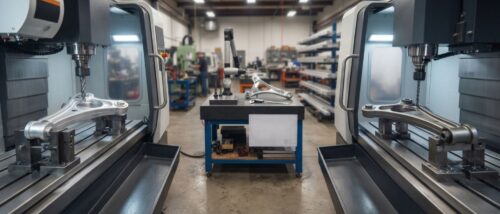
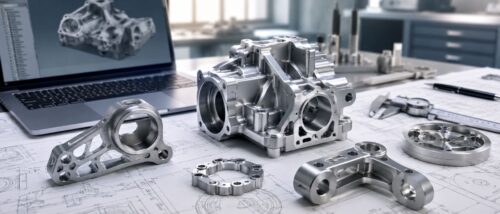
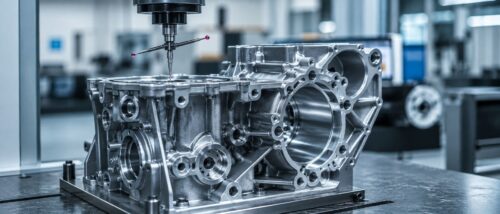
We integrate advanced machining, specialized materials, and surface finishing to deliver mission-critical parts that meet every rigorous automotive standard.
Fill out the form below and our team will get back to you promptly with a personalized quote tailored to your needs.