Peter • Published 29 2026 May
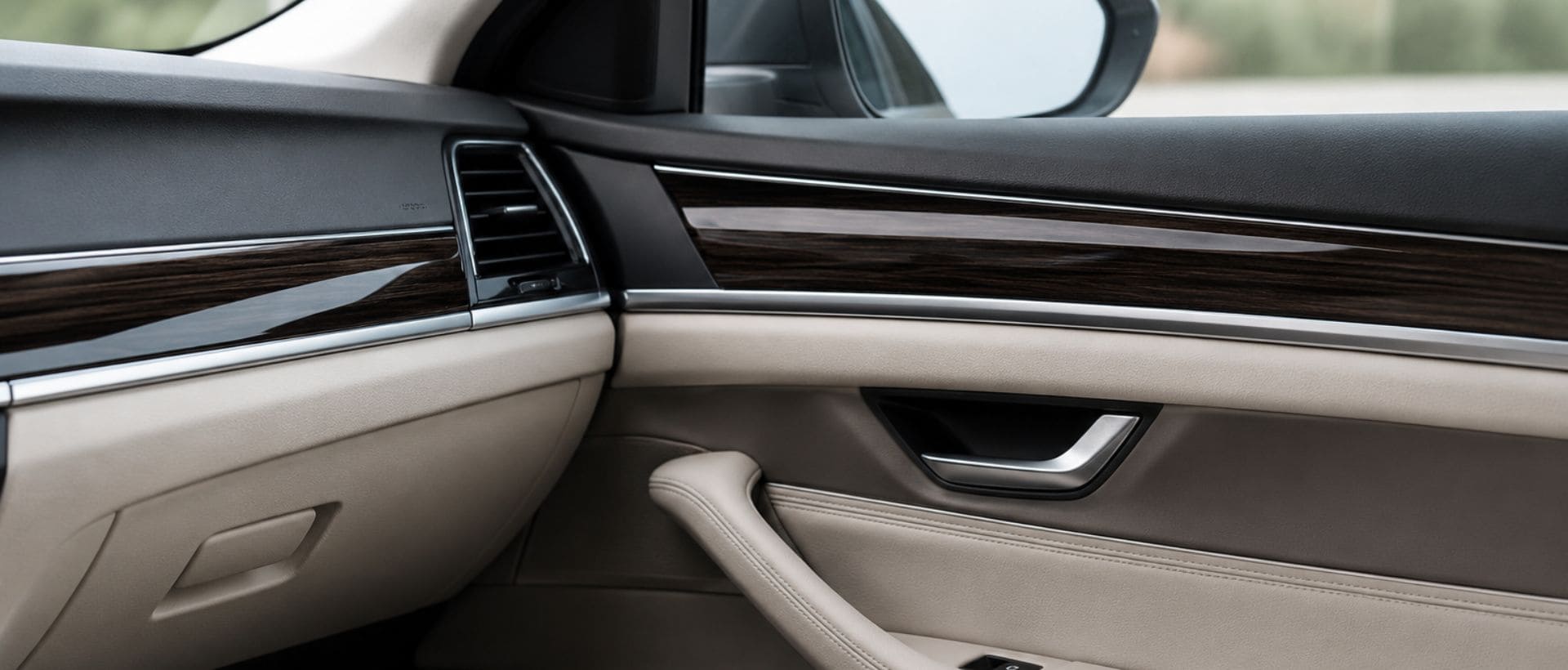
Automotive interior trim plays a crucial role in enhancing the overall visual look of a car. But beyond that, it offers several other benefits, which you’ll find out in this blog. Now let’s read on to explore its types, manufacturing processes, applications, and lots more.
This refers to all the functional and aesthetic components and materials located inside a vehicle cabin.
Trims within a car interior are applied to the dashboards, seats, automotive interior trim clips, center console, etc., and are made with materials like leather, vinyl, plastic, and fabric.
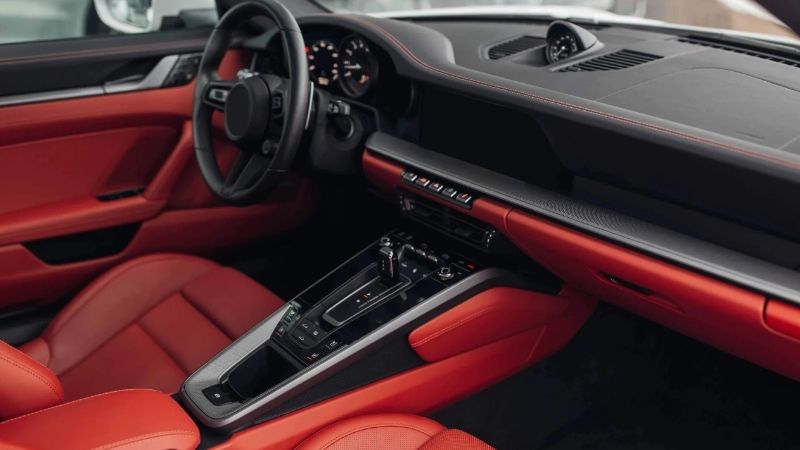
Manufacturers can select textures, finishes, designs, and colors for the trim to meet specific customers’ needs. From plastic, fabric, and leather, every material improves the visual appearance of the car.
Materials like suede, leather, and vinyl enhance passenger comfort. During a long journey, the ergonomic design of the vents, touch screen, and soft surfaces makes driving enjoyable.
Interior trim parts and insulation also help absorb too much noise and vibration from the engine and road, thereby enhancing vehicle performance.
Many modern auto trims are designed to support safety features like cameras, sensors, and warning lights. The soft materials used for these trims also absorb collisions, thereby protecting passengers.
And since these designs and components enhance the car’s interior look, it improves vehicle value too. The more quality and appealing the interior is, the more buyers are willing to pay.
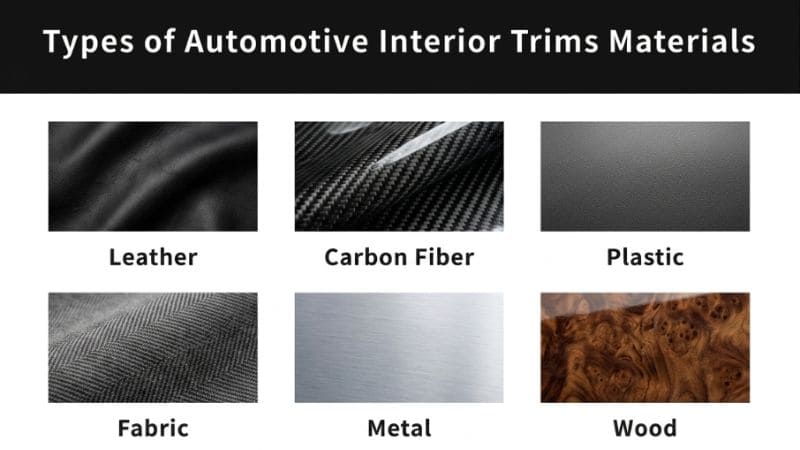
Wood grain is commonly used by luxury cars like sedans, Bentleys, and SUVs as it offers a classic look. From natural wood veneers, including walnut, oak, and maple, to synthetic options, there are several varieties that manufacturers use.
Also, it is a perfect option for dashboard panels, door inserts, and center consoles. However, it cannot resist scratches, and it is expensive.
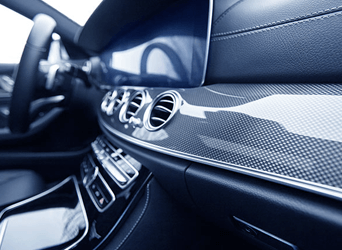
When it comes to strength, low weight, and durability, carbon fiber trim is a top choice. As such, it is used for sports cars and other high-performance vehicles. Beyond that, it gives a modern look and is usually found in door trims, steering wheels, etc.
This can be found in seats, door inserts, and the dashboard. Leather automotive interior trim assembly offers durability, comfort, and style.
While it might require regular maintenance, it can increase the resale value of a car. It is also costly and prone to wear and tear.
Plastic trims are valued because of their lightweight, ease of care and maintenance, low cost, and versatility. Popular ones are ABS, PP, PC, and PVC.
It supports color customization, and with that, the best automotive interior trim paint can be applied. Apart from that, it is also suitable for complex shapes and textured surfaces.
Aluminum and titanium trims offer lightweight, strength, and durability. Titanium is used for luxury cars, but it is expensive.
However, aluminum is commonly used. Both metals offer temperature and scratch resistance and can be easily CNC machined.
This type gives a sleek and fine appearance. It offers versatility as it is found in many applications, including instrument panels, center consoles, dashboards, etc.
While it is not considered a luxury, it is very durable, resistant to chemicals, wear, UV, and other environmental conditions. It is also easy to clean, recyclable, and can be customized with many colors and designs to enhance its look.
These materials are cheaper compared to real leather. They also offer ease of maintenance, versatility, and durability, resistance to moisture and UV.
When comfort, affordability, and customization options are crucial, this material is a good choice. It is also soft and thus suitable for hot weather.
Despite this, it is considered less durable, attracts stains, and is difficult to clean. However, because of its softness, it can absorb vibration better.
Suede is known for its soft, fine, and attractive appearance. Synthetic types like Alcantara have low weight, wear, and UV resistance, which makes it a popular option. It requires special maintenance practices, and it attracts stains.
When selecting materials for your vehicle’s interior trim, certain factors must be considered. Here are some of them.
First, you should check how long it could last while maintaining good performance. Materials like vinyl and silicone film are appreciated. As such, they must be able to withstand chemicals, temperature, UV, and other conditions.
Depending on the specific car applications, whether sport, commercial, or luxury, select the materials that align.
Look out for color, texture, pattern, and finishes. Custom automotive interior trim allows you to choose a design that meets your style and standards.
Beyond considering aesthetics, check out for the ease of maintenance. You would want to know if it’s easy to clean or not, and if the material attracts dirt easily. Vinyl, leather, and silicone film are generally simpler to maintain than suede.
Because passengers come into contact with some of the interior trim structures, like seats and armrests, comfort must be ensured. So, you need materials like fabrics and suede to enhance convenience and driving experience.
Fabric and vinyl are generally less expensive than wood and leather. And while they might not necessarily appear luxurious, they still meet up to quality standards and can be designed to suit your style.
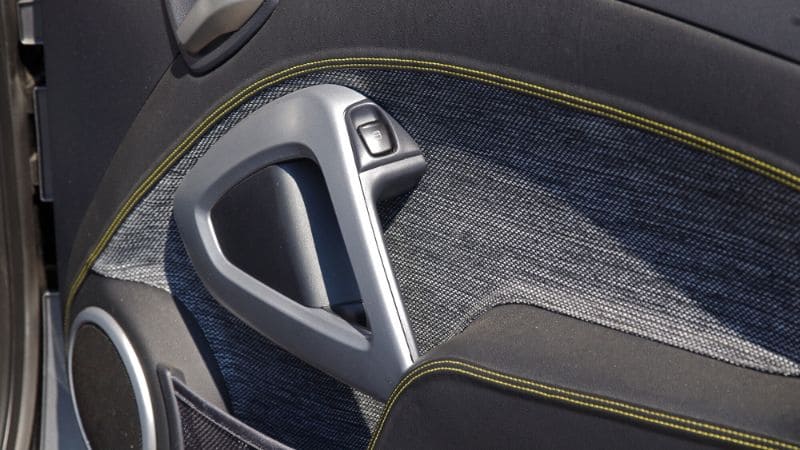
Door Panels and Inserts: Serves as enclosures for armrests, speakers, storage, and switches. They are made from a combination of materials, including fabric, plastic, and leather.
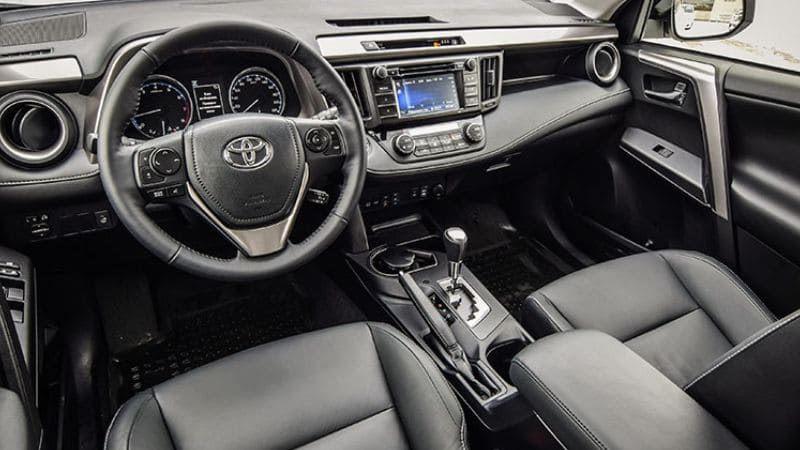
Dashboard and Instrument Panels: Help display information and contain the sensors, wiring, HVAC system, and airbags. Wood and metallic trim support a luxury look and durability.
Center Console: Houses several components like cupholders, controls, and electronic interfaces. Interior trim is applied to the center console to improve durability and appearance.
Pillar Trims (A, B, and C Pillars): Act as covers for the structural frame around the windows and doors, and also enhance cabin appearance.
Roof Linings and Headliners: They cover the vehicle’s roof structures. Usually made with fabric, they act as insulators and prevent the cabin from temperature and noise. They also consist of components like vents, lighting, and speakers.
Scuff Plates and Door Sills: Scuff plates protect the door entry space from scratches. They can be made with stainless steel, aluminum, or plastics and usually contain some lighting features that enhance visual appeal.
Seats: Seats are crucial interior parts that provide comfort for passengers. From bucket designs to benches, you can select a manual or powered adjustment type. They enhance the overall appearance of the vehicle interior.
Injection molding involves forcing or injecting molten material into a mold under pressure and allowing it to cool and solidify to form the interior trim component.
This method is suitable for complex, large-volume production, and it ensures consistency and accurate finishing.
In the overmolding process, manufacturers build a single trim component from two different materials, and usually the second material, like rubber or plastic, is molded on the first.
With this, grip, comfort, durability, and aesthetics are enhanced. The method is suitable for armrests, steering wheel trims, control panels, etc.
Many automotive interior trim suppliers use this method for custom and low-volume production.
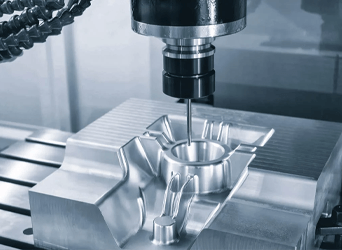
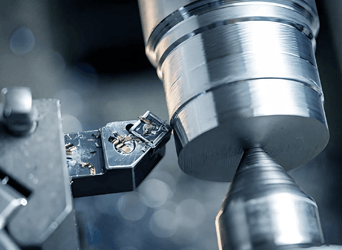
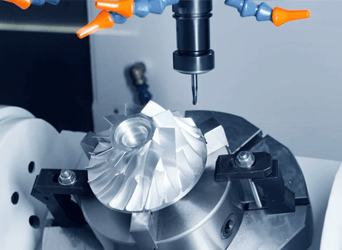
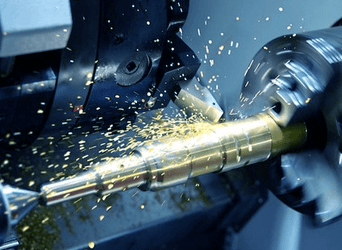
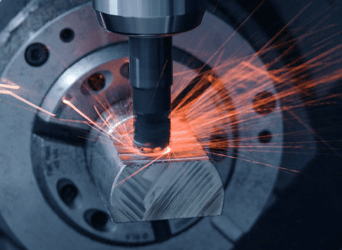
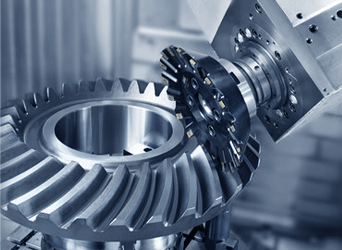
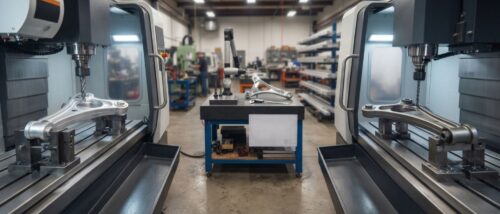
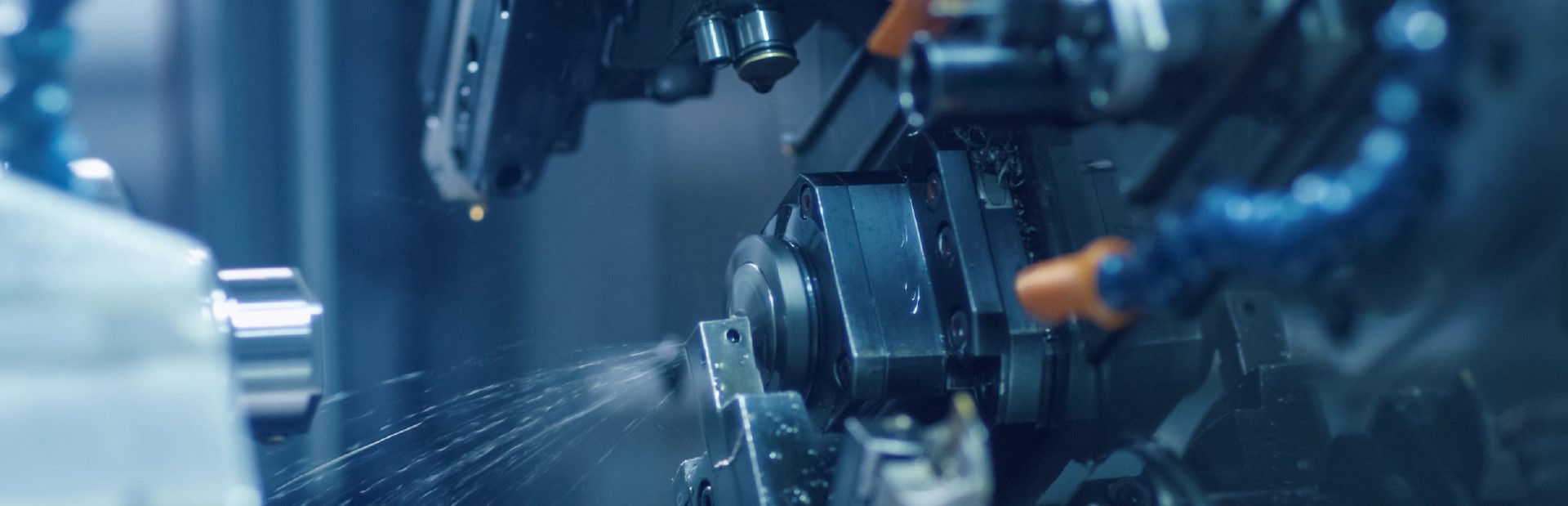
It is a subtractive process and involves using CNC tools and machines to eliminate material from a workpiece to create the desired trim part. It works with many metals and complex designs, and gives dimensional accuracy.
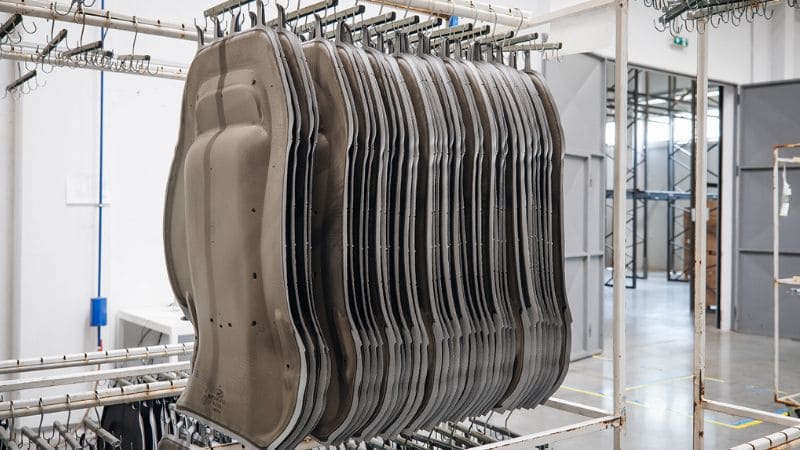
This method is carried out by applying pressure to a heated mold containing material like plastic and composite in order to shape it to the desired component.
It is usually used for large, lightweight parts like headliners and door panels. Beyond that, it supports structural strength and eliminates material waste.
Beyond supporting aesthetics, automotive interior trim also provides comfort and safety to passengers, reduces noise and vibration, increases car value, and improves overall driving experience.
At DEK Automotive, we deliver several car components all over the world. From the interior trims to engine and gear components, we ensure quality, precision, and durability. Whether you need just a part or thousands of units, we have the advanced facilities, material expertise, and team of professionals required to bring your project to life. We are ISO 9001 and IATF 16949 compliant. Get in touch with us today.
Peter leads the engineering team, bridging the gap between design concepts and functional machined parts. He specializes in optimizing DFM for subtractive manufacturing, ensuring complex components like EV motor housings and battery enclosures are optimized for high-speed milling. Outside work, he enjoys cycling and restoring vintage motorcycles.
We integrate advanced machining, specialized materials, and surface finishing to deliver mission-critical parts that meet every rigorous automotive standard.
Fill out the form below and our team will get back to you promptly with a personalized quote tailored to your needs.