Alan • Published 13 2026 Aug
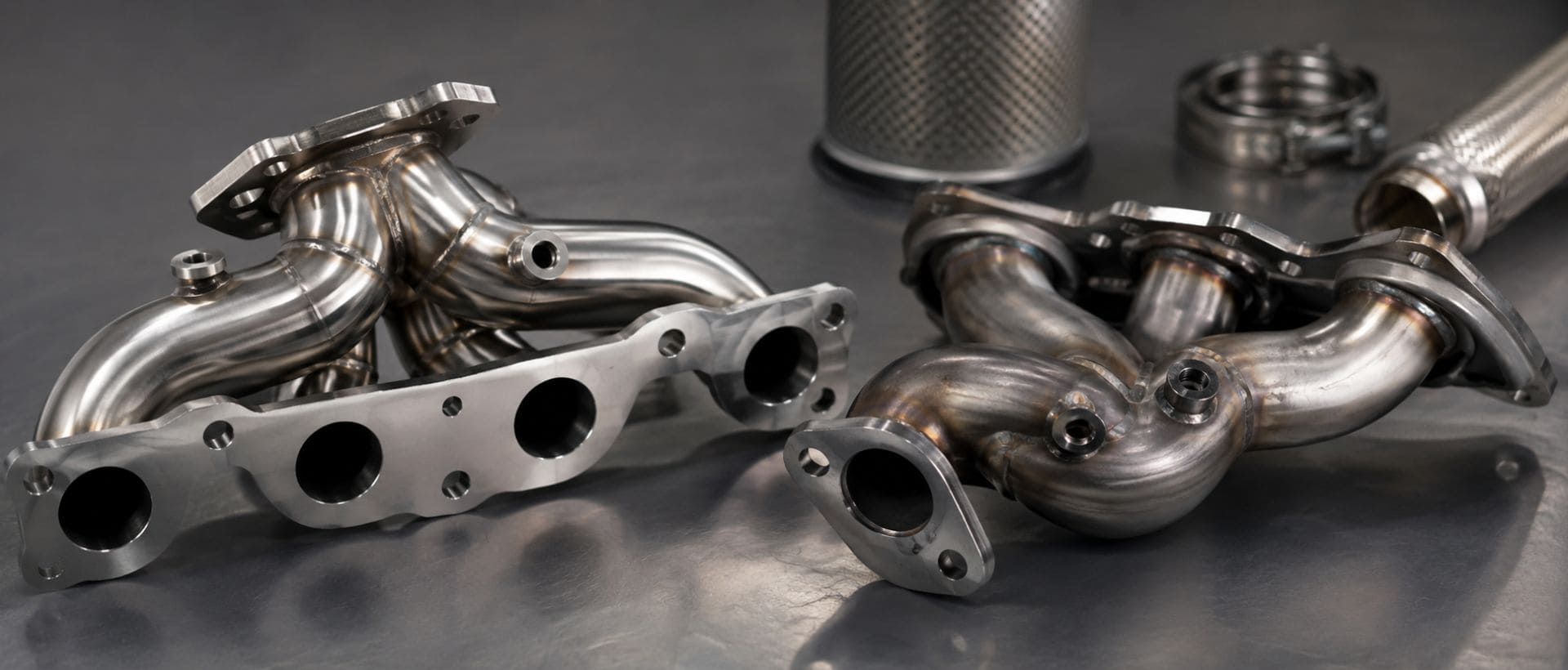
If you’re considering selecting between stainless steel 316L vs. 430 for your exhaust manifold application, you should understand that both grades offer varying compositions, features, and benefits, which makes them suitable. However, in this blog, we provide all the information you need to make the best choice
An exhaust manifold might appear as a simple component to you, but it functions in an extreme environment within the vehicle. It operates by transferring hot gases from the engine to the exhaust system, enduring a temperature range of about 400 to 900 degrees Celsius.
Every time you start your engine, it becomes exposed to consistent vibration, heat, pressure changes, moisture, etc. As such, the material used must be able to survive all these factors while maintaining shape and performance
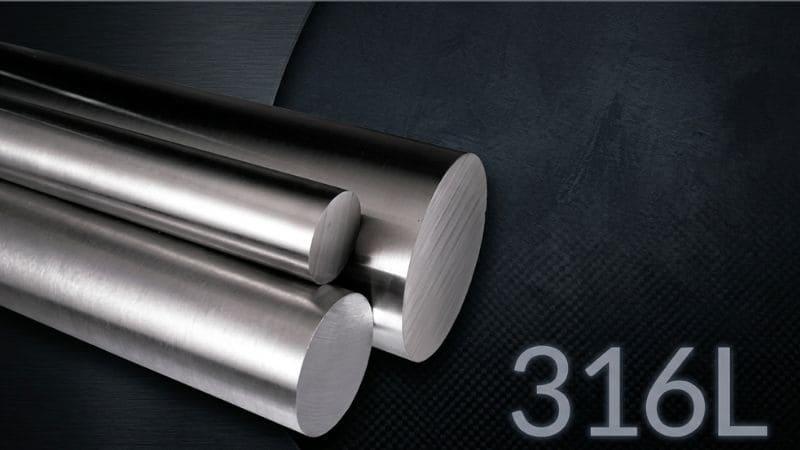
If you’ve ever asked, is 316L stainless steel good for exhaust applications? The answer is yes. This is because it contains molybdenum, which helps resist corrosive conditions and chlorides better than the other alloy.
It is a low-carbon austenitic material and contains chromium and nickel. While ductile, tough, and moderately heat-resistant, it is not suitable for long-term high-temperature usage.
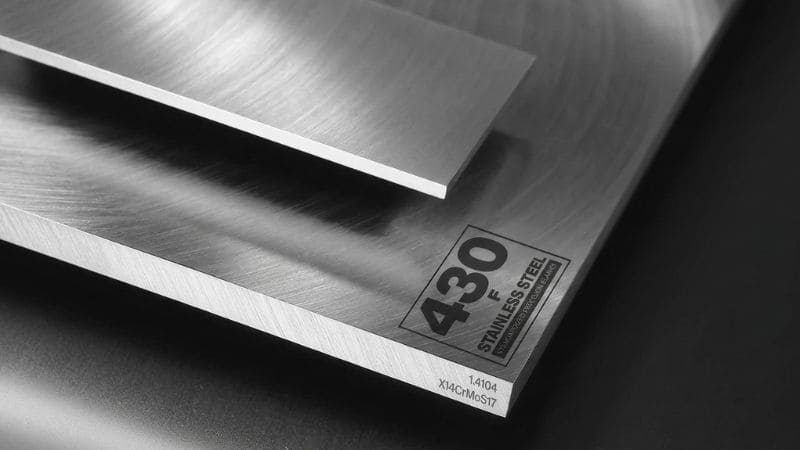
Compared to SS 316L, this is a popular ferritic material you’ll find. Due to its lower coefficient of thermal expansion, it is widely used in the automotive industry. As such, it has fewer chances of thermal fatigue even when used in extreme exhaust heat applications. It also consists of chromium with little to no nickel.
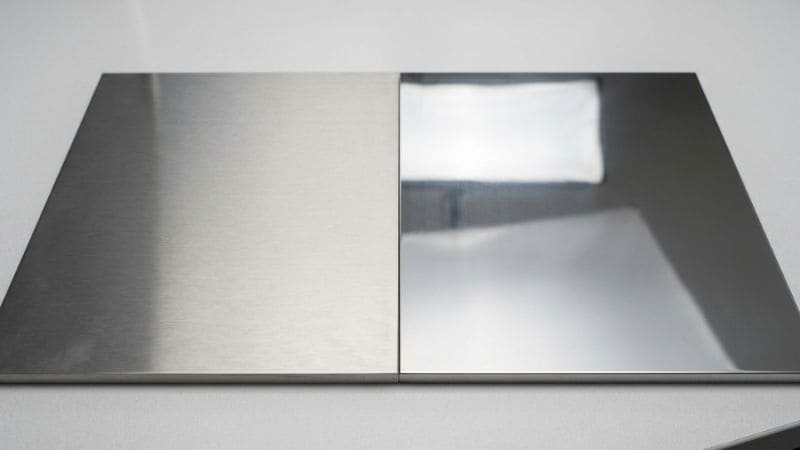
When looking out for the differences between stainless steel 316L vs. 430, you need to check different properties and features as outlined below.
This is the first major difference you’ll notice. Both contain 16 to 18% chromium, while 316L contains an additional 10 to 14% nickel and 2 to 3% molybdenum. 430 sometimes contains very low nickel content, about 0.75% or less.
Stainless steel 316L temperature range allows it to maintain good strength at moderate heat; however, the other alloy gives better resistance since it can maintain its structure and functionality with temperature fluctuations.
316L is the best here as it can survive salt and marine environments consistently.
While stainless steel 316L is very ductile and tough, which enhances its vibration resistance, the other is hard and rigid, which helps it preserve its dimensional accuracy under high thermal load.
If your manifold design involves several welded areas, 316L is the best choice. Its low carbon content eliminates the risk of carbide precipitation while welding. However, the second alloy needs specialized heat control methods.
| Property | Stainless Steel 316L | Stainless Steel 430 |
| Structure | Austenitic | Ferritic |
| Nickel Content | 10 to 14% | Little to None |
| Corrosion resistance | Excellent | Good |
| Thermal Expansion | High | Low |
| Cost | Higher | Lower |
| Machinability | Moderate | Good |
| Best Applications | Corrosive/Marine applications | Standard/High heat manifolds |
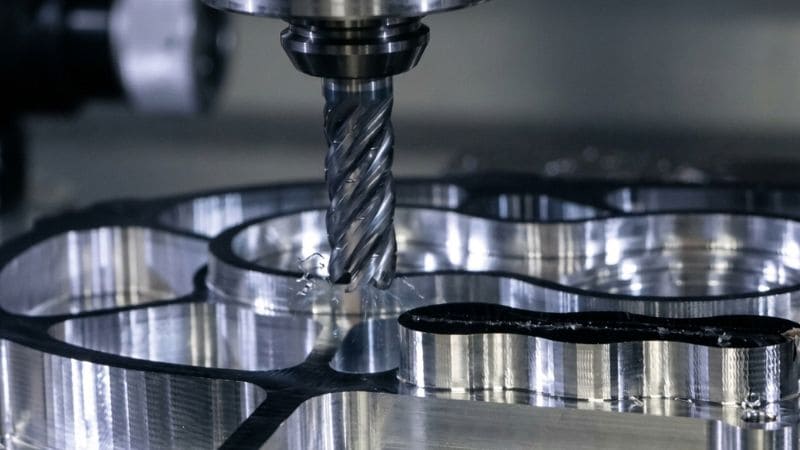
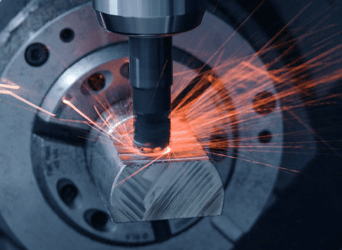
To optimize production efficiency, SS 430 is easy to machine as it causes less work hardening and allows for smooth material removal, whereas the other stainless steels need sharp tools and consistent feed rates.
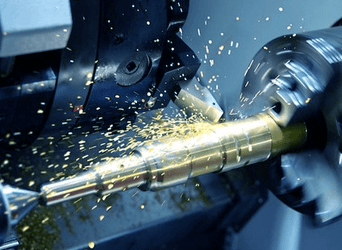
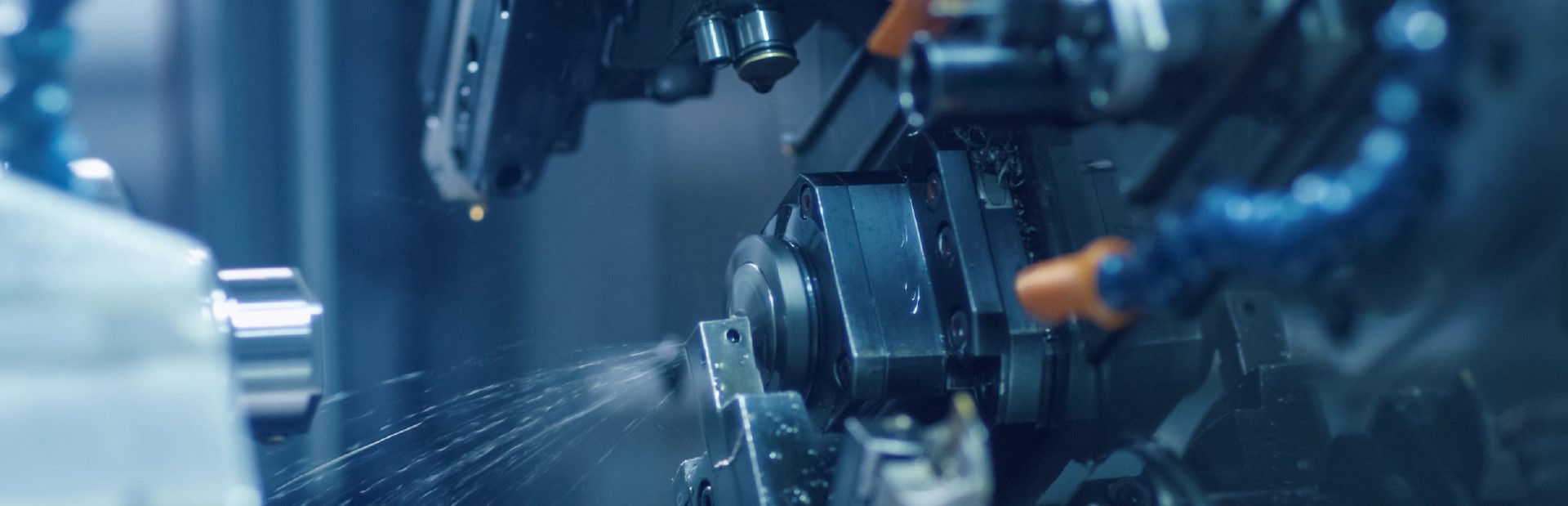
When we are working on 316L, high cutting forces are generated, which make the tool wear faster. As such, we utilize carbide-coated tools and specialized coolant to control heat. Stainless steel 430 enables faster cutting speed, thereby improving machining efficiency.
Both stainless steel can achieve an excellent surface finish. But we ensure accurate process control.
Since SS 316L is prone to work hardening, we maintain consistent precise machining parameters for dimensional accuracy, whereas for the second comparison alloy, the right tool geometry must be chosen. Moreover, its lower thermal expansion helps maintain dimensions.
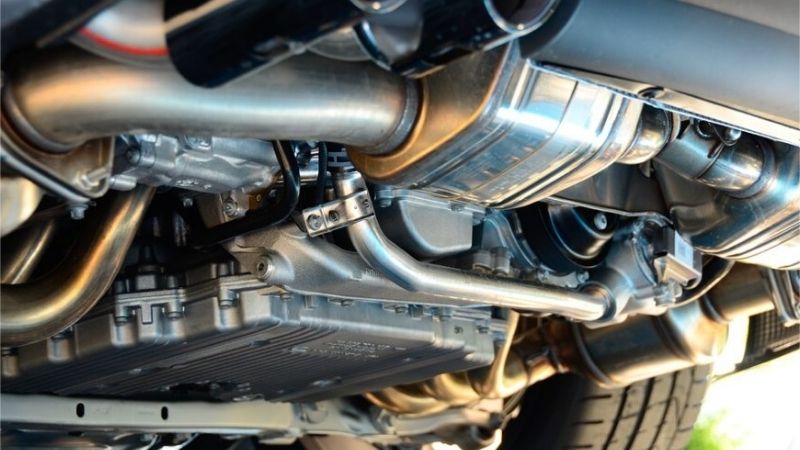
High-Performance and Turbocharged Vehicles: Generally, austenitic alloy provides good performance, but when high temperature is involved, 430 is best due to its ability to preserve its form in extreme heat
Standard Passenger Vehicles: For a normal everyday passenger vehicle, SS 430 is a great choice because of its durability and low cost.
Marine and Corrosive Environments: if the car will operate in high humidity, salt water, or coastal regions, 316L is the best choice.
If you have two delivery vans, one operating in a dry inland city and the other along the coastline, even if both travel the same distances, the coastal van is exposed to a more corrosive condition, and thus, utilizing 316L helps reduce maintenance costs.
Material cost: Because of the nickel and molybdenum content, SS 316L is more expensive.
Manufacturing cost: When machining 316L, there are more chances of tool wear and higher processing time, which lead to higher costs.
Maintenance and service life: When your applications involve normal operating conditions, 430 stainless steel offers the best longevity with low maintenance requirements since it can withstand thermal fatigue cracking. But if it’s corrosive or wet conditions, the second alloy gives a better service life.
Total cost of ownership: Choosing SS 430 for standard exhaust operating conditions is a good investment, but if it’s a corrosive environment, it’s not.
Suppose you want to select an exhaust manifold that’s expected to remain functional after 10 years; 430 is more economical and might be worth the investment. However, if it requires replacement because of corrosion, then other SS would have been the best choice
At DEK Automotive, we specialize in high-precision auto component manufacturing. Whether you need an exhaust manifold, a gear part, or engine components, we provide the material expertise to ensure durable, high-performance structures. Get in touch with us today.
When it comes to choosing between stainless steel 316L vs. 430 for your exhaust manifold parts, the right choice depends on the specific application. So you need to balance performance, operating environment, and cost.
Alan specializes in the machinability and structural integrity of high-performance automotive materials like Magnesium and 6061/7075 Aluminum. He ensures these alloys maintain their mechanical properties after heavy metal removal, providing technical backing for critical CNC-machined EV components.
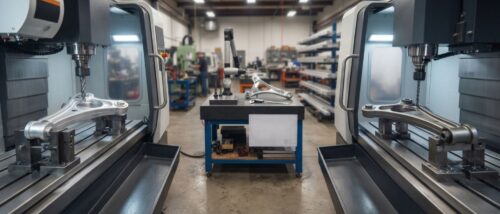
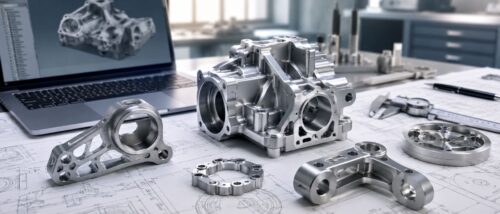
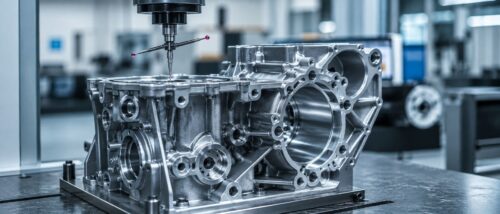
We integrate advanced machining, specialized materials, and surface finishing to deliver mission-critical parts that meet every rigorous automotive standard.
Fill out the form below and our team will get back to you promptly with a personalized quote tailored to your needs.