Peter • Published 04 2026 Jun
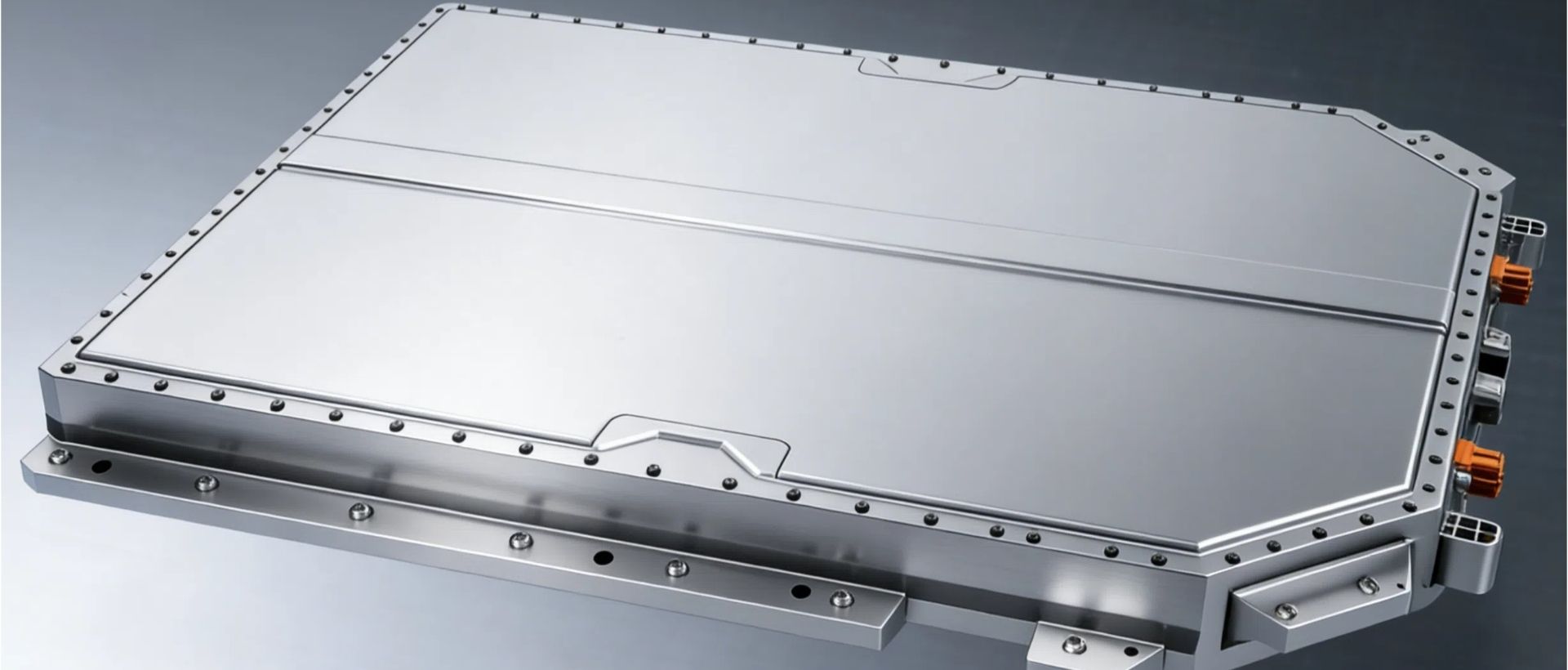
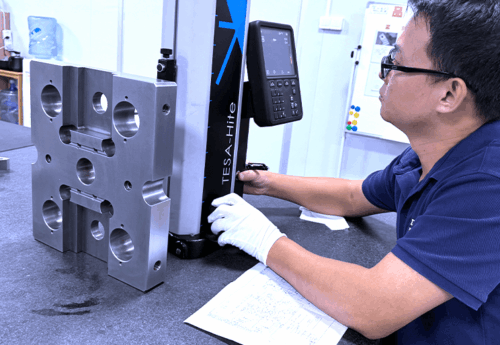
The machined part is covered on our EV battery enclosure page.
Thin-walled EV battery housing helps reduce overall electric vehicle weight and enhance driving efficiency. However, machining them without deformation comes with a lot of challenges as they can be easily affected by factors like temperature changes, vibration, and cutting force. In this blog, you’ll get to understand some of these difficulties and how to overcome them, and lots more.
EV battery housings are enclosures that protect battery cells, electronic systems, and other internal components from impact, vibration, moisture, and other conditions within an electric vehicle. Beyond that, it supports the vehicle chassis, enhances safety, and usually includes sealing surfaces, cooling channels, mounting points, etc.
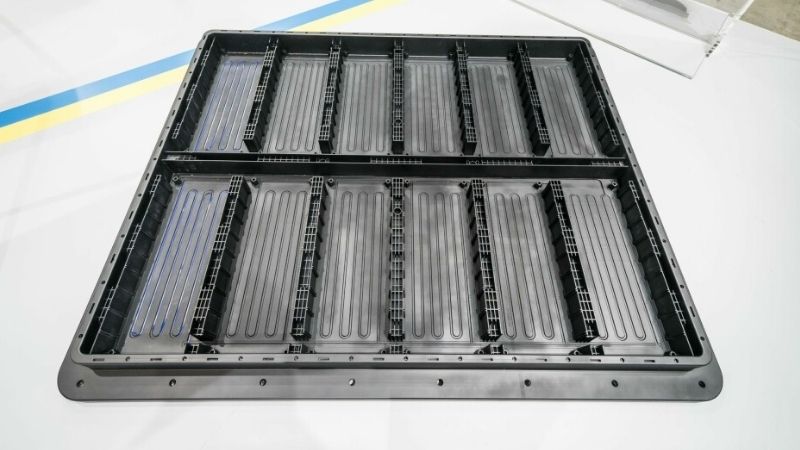
Thin-walled EV battery housing machining helps reduce the overall weight of the EV while still maintaining its strength and protection purpose. This enhances fuel efficiency and overall car performance.
Batteries are usually heavy and are located under the vehicle floor. Their design and layout directly influence how weight is distributed. Housings with thin battery technology help improve balance and stability, steering, handling, etc.
Also, it helps create more cabin space, which improves passengers’ comfort. Thin-wall design gives rise to a flat floor with a lower height, thereby enhancing cabin layout.
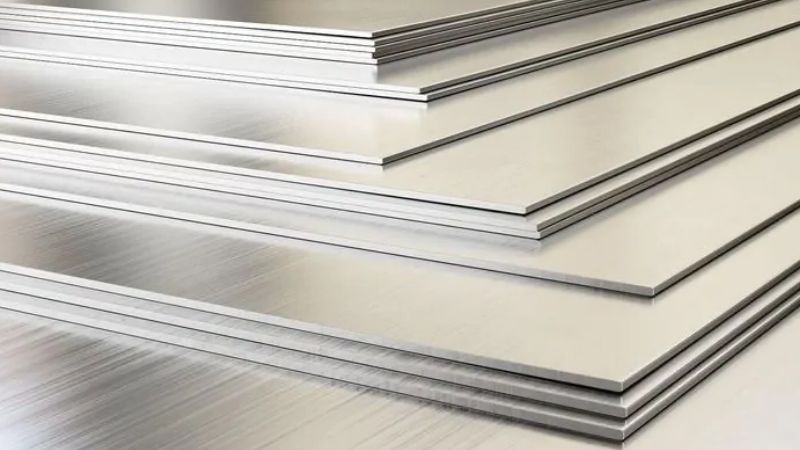
Aluminum is known for its strength-to-weight ratio, which makes it valuable in EV battery housing. It is resistant to corrosion with high machinability and thermal conductivity. However, they can be easily affected by vibration and thermal expansion, and as such require process control in thin-wall CNC machining.
While steel offers a lower cost, high strength, and impact resistance, the metal generates high cutting forces, tool wear, and heat, which increases the chances of deformation.
This material is now commonly used because of its excellent strength-to-weight ratio. It is also corrosion-resistant but causes tool wear. With that, specialized tooling is required.
Compared to aluminum, magnesium is about 33% lighter. With that, it is crucial for EV weight reduction. Also, it is known for its easy machinability and vibration damping, but could require heat control techniques and the use of coolant, as it can be easily affected by high temperatures.
Machining titanium for EV battery walls requires specialized expertise, as the material causes much tool wear due to heat concentration. It has a low thermal conductivity but is very durable with high corrosion resistance.
Plastics like PEEK, PC, and PA offer lightweight, good strength, and electrical insulation. While they might be easier to machine than metals, they might be prone to deformation with excessive heat generation.
In thin-wall machining, the workpiece or material maintains a low weight, which makes it prone to vibration and chatter. This affects surface quality, dimensional tolerances, and tool stability.
As the material thickness decreases, the chances of mistakenly cutting through increase. Wall breakthrough risk even becomes higher when there’s tool deflection, high cutting depth, inaccurate machining paths, and so on.
EV battery housing usually needs flat sealing surfaces that protect the battery against moisture and dirt particles. Thin walls are prone to bending and warping during machining. And this inhibits the flatness properties for adequate sealing.
Many materials, including aluminum, titanium, and carbon fiber, generate a lot of heat, which causes tool wear. High-speed cutting, lack of thermal conductivity, and some abrasive materials can even lead to a greater risk.
Moreso, battery housings also need accurate dimensional tolerance as they must align with the main component. Maintaining tight tolerance with thin-wall machining needs expert setup and process control.
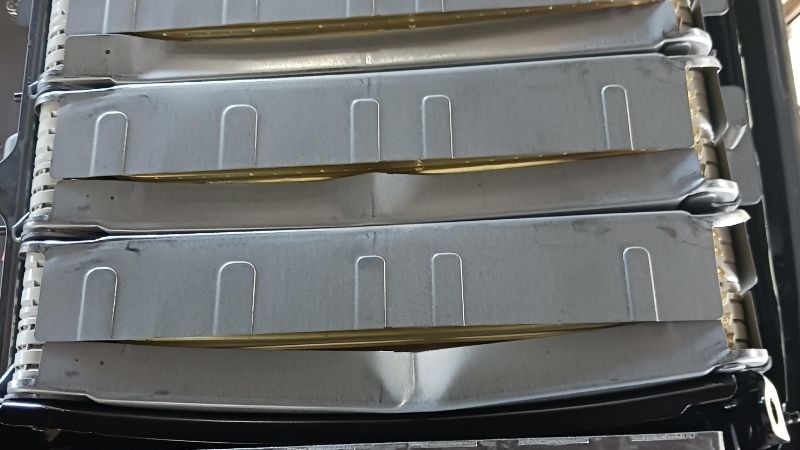
Many raw materials contain leftover internal stress from their production processes, like casting and rolling. When removing material during machining, this stress is released, causing the part to warp or bend.
While high force and pressure from clamping might not affect heavy metals, it’s not suitable for thin walls. As such, it can bend the part and affect surface quality and dimensional accuracy.
During cutting, pressure is applied to the part. Thin walls lack the rigidity and stiffness to withstand this and so might bend away. This results in uneven wall thickness and inaccurate dimensions.
Inadequate fixturing also makes housing prone to vibration and shifting when milling. Advanced support techniques are needed for the complex EV battery housing.
Modern thin-walled EV battery housings require accurate dimensions for effective assembly and sealing. As such, flatness, surface alignment, and wall thickness consistency must be ensured.
While thin walls are crucial for housing, they must retain their structural strength. This will allow them to maintain resistance against vibration, thermal cycling, stress, and other harsh vehicle conditions.
Battery enclosures must also withstand impact and undergo safety crash testing. With this, lightweight and safety needs are considered during design. Modern housing layout now includes thin non-critical sections, while the critical high-impact areas are slightly thicker.
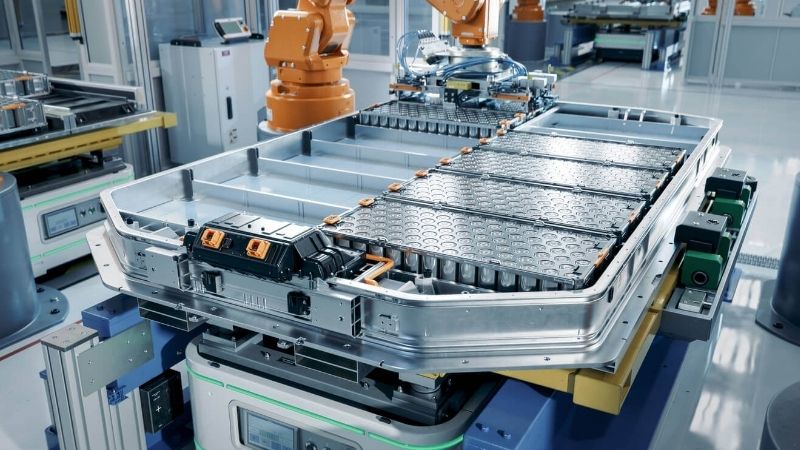
High spindle speeds help reduce cutting force and enhance surface quality. Aluminum machining speed, for example, may vary from 12,000 to 24,000 RPM. With more speed comes less chip and heat accumulation.
Feed rate must be balanced. When it is too slow, excessive heat and friction are generated, and when it is too high, it causes tool pressure and wall deflection.
To prevent bending when machining thin walls, a low radial depth of cut and a high axial depth of cut are used. With this, the cutting force is distributed appropriately, thereby minimizing deformation and instability.
This helps control temperature and prevent chip load around the tool path. With that tool wear, dimensional inaccuracy and poor finishing can be avoided.
Beyond using coolants, a climate-controlled environment is also used, and temperature is monitored.
Minimum Quantity Lubrication systems allow for the application of a small amount of lubricant to the cutting tool edge. This helps reduce friction and heat generation and makes sure the component remains clean and dry.
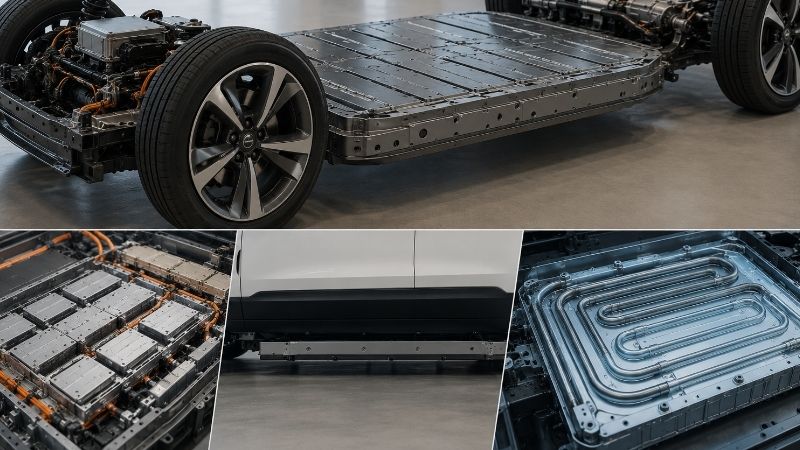
Cell to pack eliminates the traditional module structure. So cells are inserted directly into the battery pack. With this, a larger complex single structure with intricate features that allow accurate alignment is needed.
To improve interior vehicle layout and efficiency, lower height housing profiles are used. This usually needs higher machining precision and thinner structural walls.
Modern thin battery technology also includes cooling channels directly into the housing. This helps enhance thermal control and battery performance and lifespan.
A solid-state battery enhances storage efficiency by reducing overall battery size. With this, manufacturers can design more compact, low-weight enclosures.
A solid-state battery also needs housing with accurate geometries to ensure battery alignment and thermal control. As such, the machining process must consider highly optimized toolpaths, with less tool deformation
Machining thin-walled EV battery housing involves considering material selection, optimizing tool path and feed rate, using accurate fixtures and coolant, and maintaining a climate-controlled environment.
Whether your project required advanced CNC facilities, injection molding, and 3D printing, or you require an expert who could work efficiently with high-grade materials like titanium, aluminum, and PEEK, DEK Automotive is your go-to partner. From precise thin-walled battery enclosures to heat sinks, engine and gear components, and inverter housing, we deliver many products worldwide. Contact Us Now.
Peter leads the engineering team, bridging the gap between design concepts and functional machined parts. He specializes in optimizing DFM for subtractive manufacturing, ensuring complex components like EV motor housings and battery enclosures are optimized for high-speed milling. Outside work, he enjoys cycling and restoring vintage motorcycles.
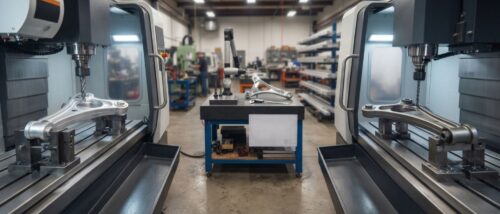
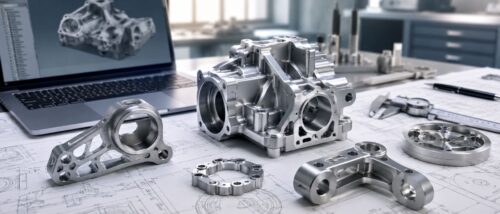
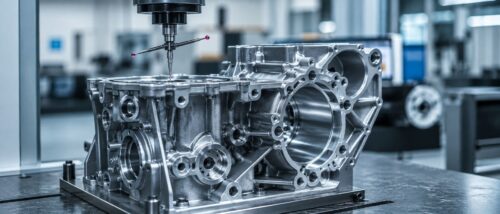
We integrate advanced machining, specialized materials, and surface finishing to deliver mission-critical parts that meet every rigorous automotive standard.
Fill out the form below and our team will get back to you promptly with a personalized quote tailored to your needs.