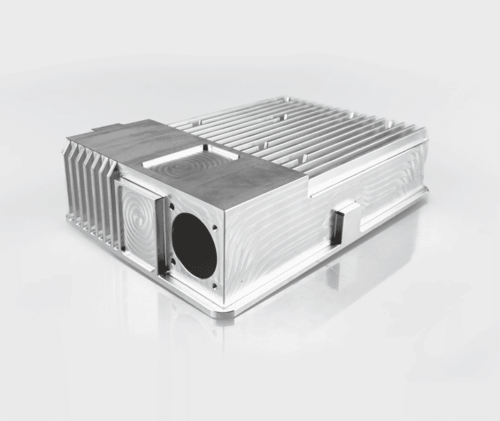
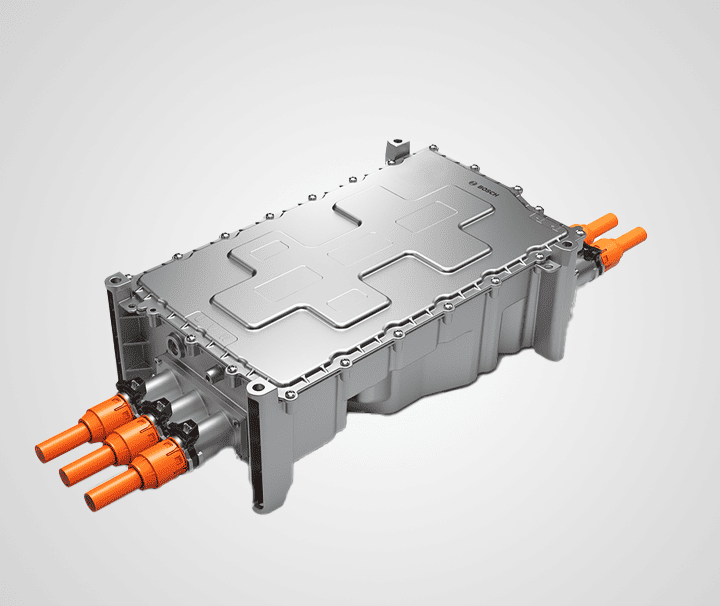
Powertrain-Ready Inverter Housing

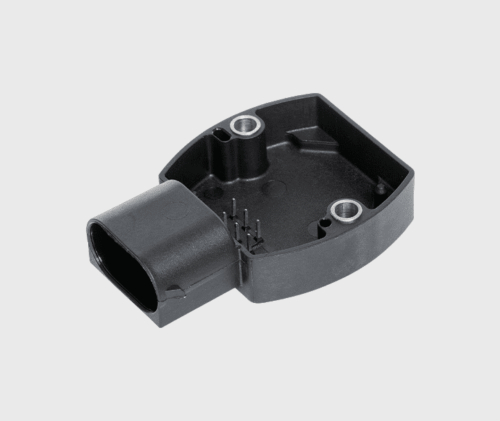
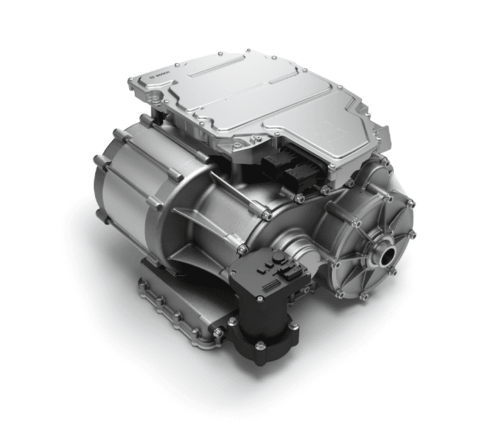
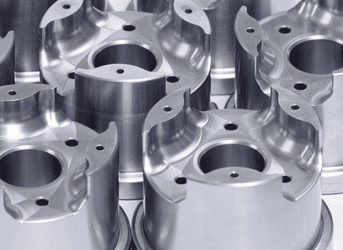
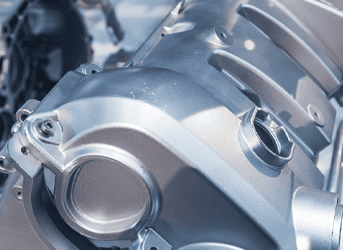
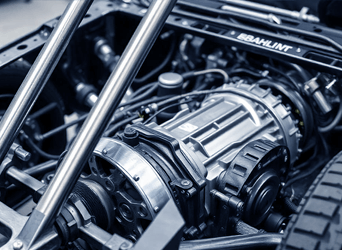
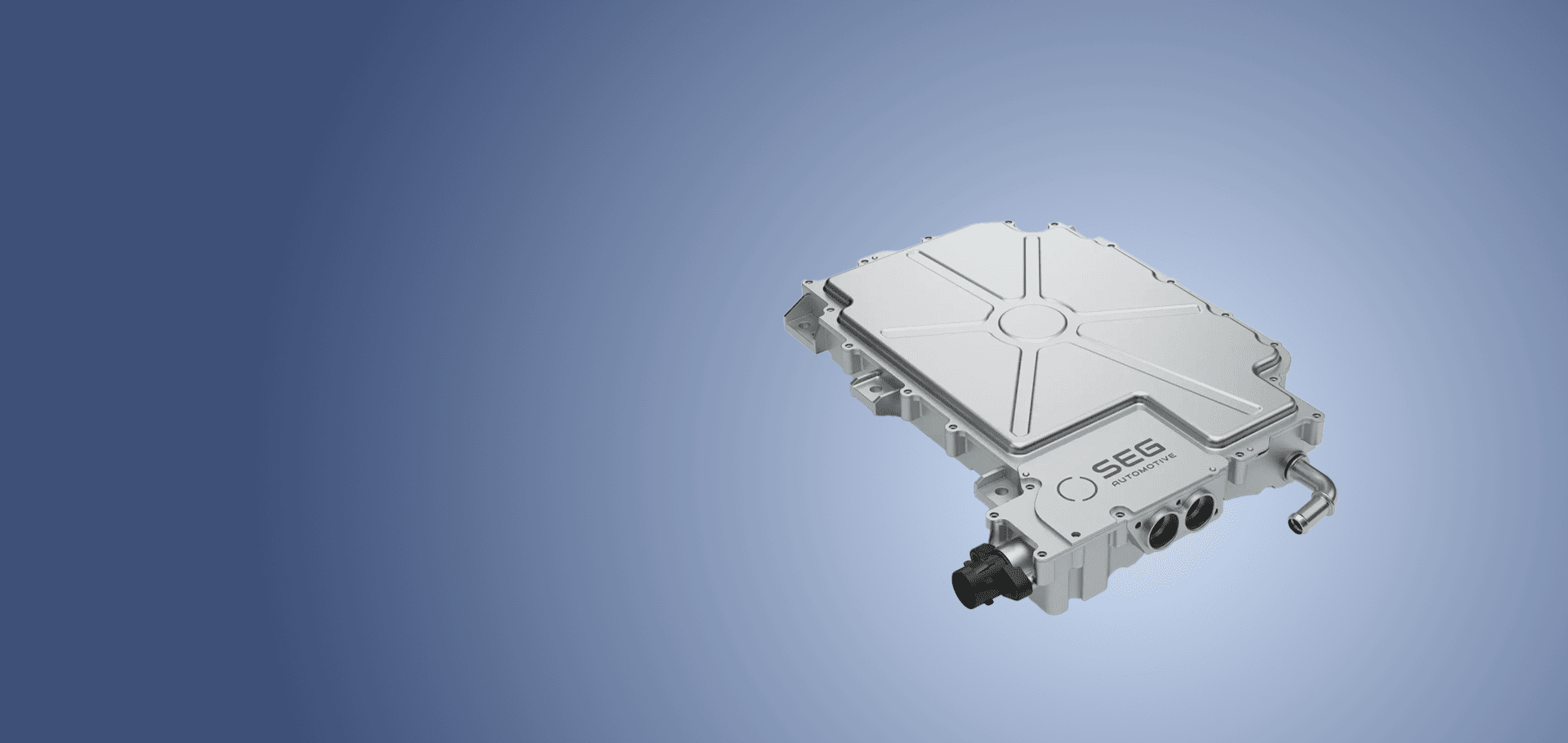
Micro-machined to strict geometric tolerances, our tough inverter housings provide exceptional EMI/RFI shielding for high-frequency EV environments.
Contact Us
Overview

Engineering Superior Inverter Housing Solutions

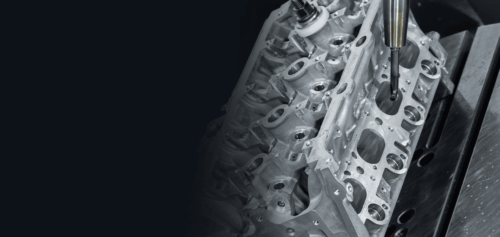
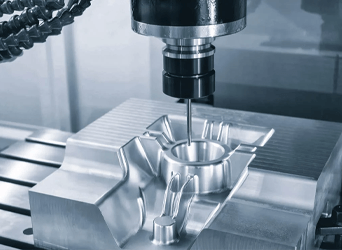
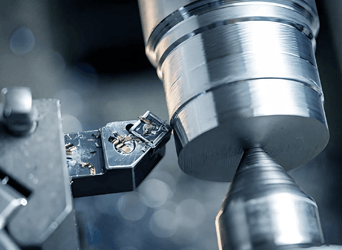
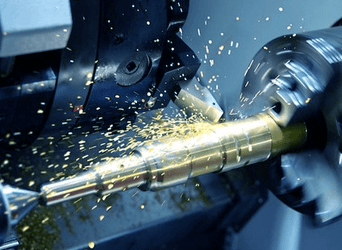
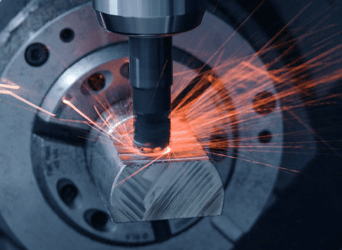
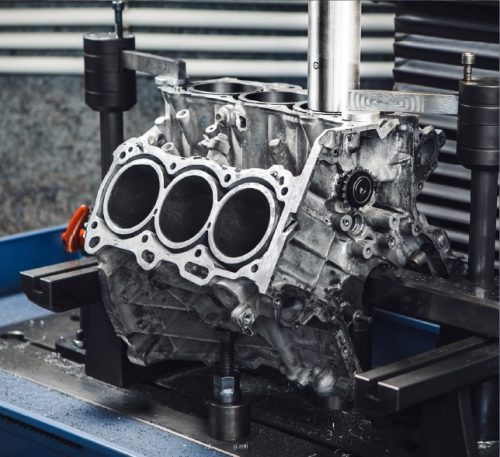
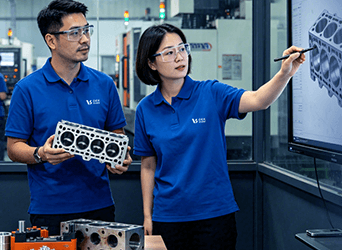
We utilize high-pressure die casting and precision CNC machining to deliver tight-tolerance inverter housings. Parts are made under an ISO 9001-certified quality system.

Engineered for seamless scalability, our automated facilities handle high-volume automotive runs with consistent cycle times. We provide end-to-end support, including advanced leak
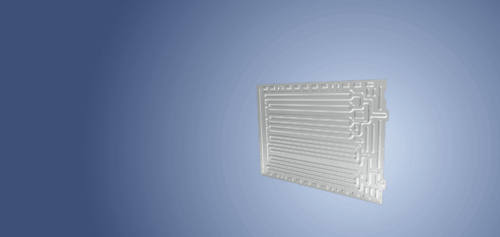
testing, surface finishing, and just-in-time delivery logistics. Where the inverter is liquid cooled, the mating part is covered under liquid cold plates.

Contact Us
Challenge

Challenges & Solutions For Inverter Housing

  • 01

    Thermal Dissipation

    Cooling channels and high-conductivity aluminum alloys accelerate heat transfer, preventing thermal throttling in high-density environments to maintain electronic component efficiency.

  • 02

    EMI Shielding

    Conductive gasket grooves and metallurgical shielding properties block electromagnetic interference, protecting control boards and ensuring signal integrity within the powertrain.

  • 03

    Environmental Sealing

    Precision-milled mating surfaces achieve strict IP67 and IP69K ratings, preventing moisture ingress and coolant leaks under severe automotive thermal cycling and washdowns.

  • 04

    Structural Integrity

    Low-porosity die casting eliminates internal micro-voids, delivering mechanical strength that withstands continuous high-vibration chassis mounting and severe mechanical impact loads.

  • 05

    Dimensional Accuracy

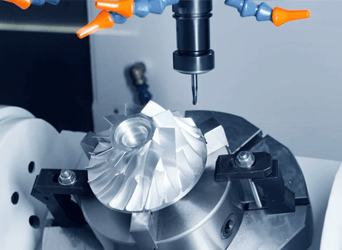
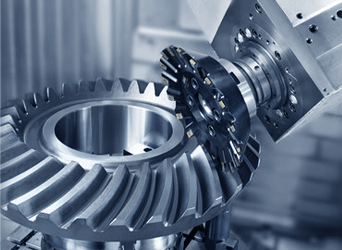
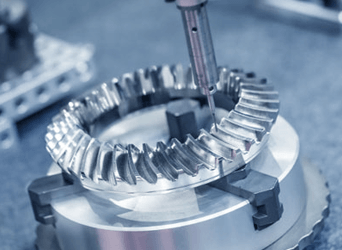
    Multi-axis CNC machining maintains position tolerances within microns, guaranteeing perfect alignment for rapid robotic assembly line integration and automated module sensor insertion.

Capabilities

Inverter Housing Technical Specs

Advanced manufacturing capabilities engineered to meet strict automotive tolerances and rigorous structural integration requirements.

Contact Us
Manufacturing Parameter Technical Specification
Max 5-Axis Machining 1200 mm × 1000 mm × 800 mm
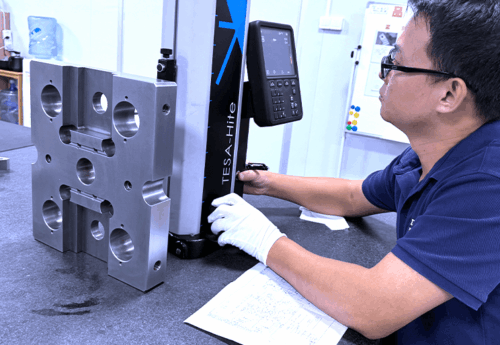
True Position Tolerance ± 0.015 mm
Die Casting Force 1600 to 4400 Tons
Ingress Protection IP67 & IP69K
Porosity Standard ASTM E505 Level 1
Surface Flatness Under 0.05 mm
Base Materials AlSi10Mg, A356, A380 Aluminum


Why Choose Us

Why Engineers Choose Our Inverter Housings

  • 01

    Verified Quality

    Parts are made under an ISO 9001-certified quality system.

  • 02

    Micron Precision

    Advanced multi-axis CNC machining maintains tight, print-specified automotive tolerances.

  • 03

    Scalable Output

    Automated manufacturing delivers high-volume powertrain components efficiently.

FAQs

Frequently Asked Questions

Contact Us
What casting standards do your inverter housings comply with?
We manufacture all aluminum housings to meet ASTM E505 Level 1 porosity specifications and strict VW 50097 automotive porosity and solidification quality requirements.
What surface flatness can you achieve on sealing faces?
Our high-precision multi-axis milling processes achieve a consistent surface flatness of under 0.05 millimeters across all critical liquid-cooling mating flange connection surfaces.
How do you verify the environmental sealing integrity?
Every single manufactured housing unit undergoes automated high-pressure differential leak testing to guarantee complete compliance with strict IP67 and IP69K environmental ingress protection ratings.
Can you integrate electromagnetic interference shielding features?
Yes, we precision-machine dedicated conductive gasket grooves and engineer optimized wall thicknesses to block harmful high-frequency electromagnetic interference and protect sensitive electronic control units.
What aluminum alloys do you use for high thermal conductivity?
We primarily utilize high-grade AlSi10Mg, A356, and A380 aluminum alloys to optimize critical heat dissipation pathways and maximize overall housing structural component strength.