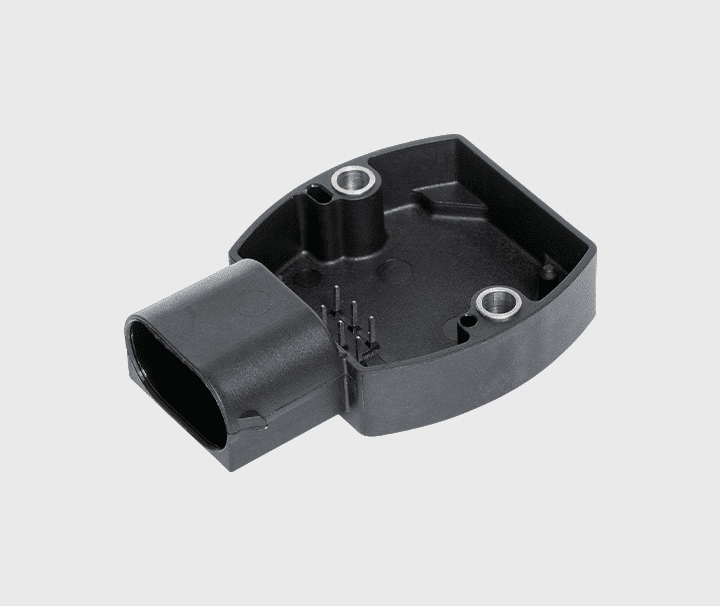
High Quality Sensor Housing Machining

Precise sensor enclosures built to micron-level tolerances with high-performance alloys and rapid lead times for critical automotive safety systems.
Contact Us
Overview

Advanced
Automotive Sensor
Housing Machining

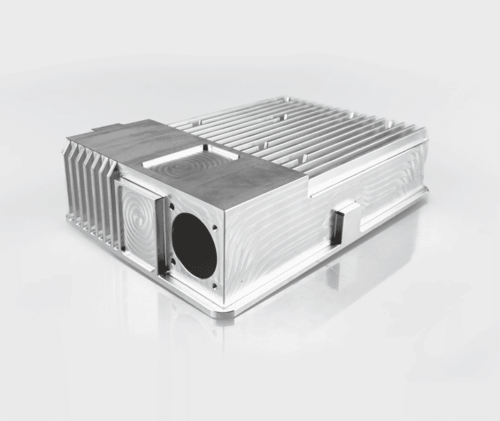
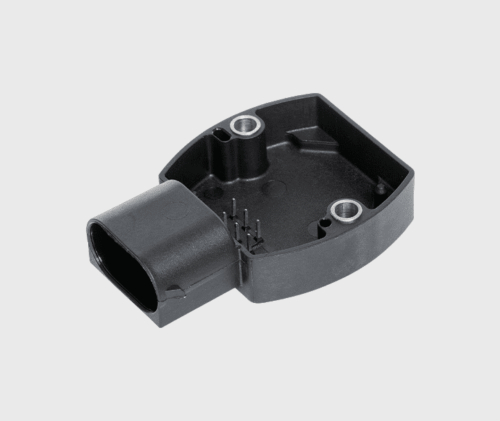
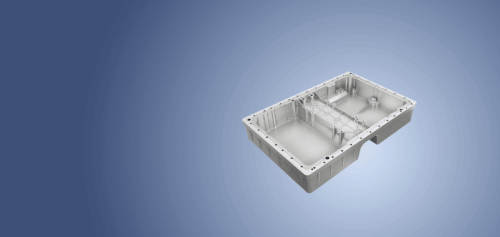
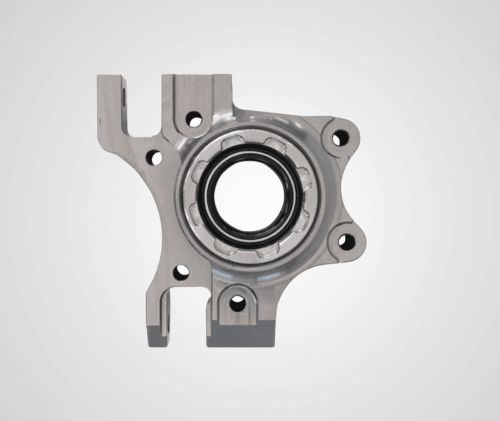
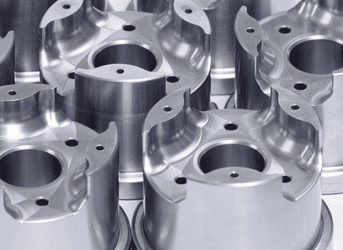
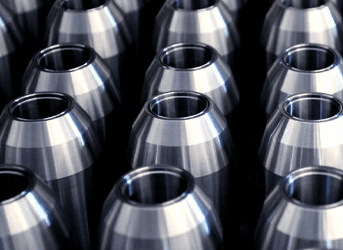
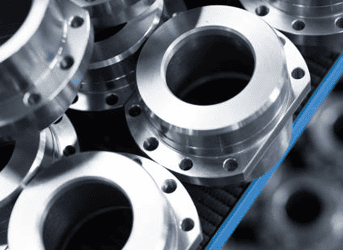
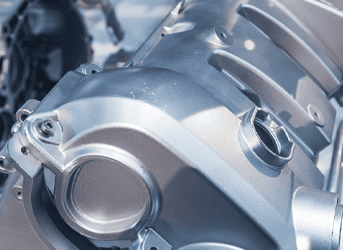
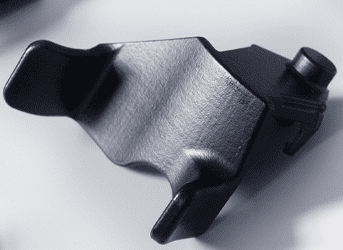
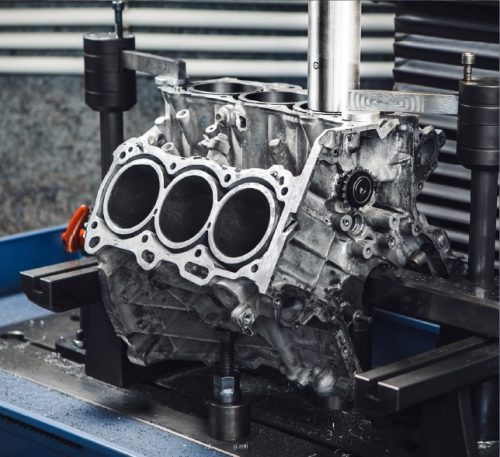
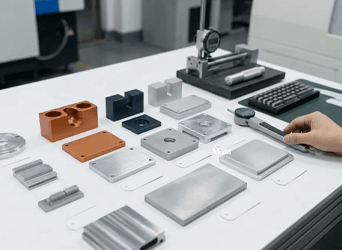
We manufacture precision-engineered sensor enclosures utilizing advanced CNC processes to protect electronic units from environmental extremes. Every component adheres to strict IATF 16949 and ISO 9001 frameworks with comprehensive first-article validation.

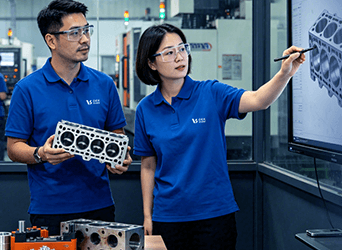
From rapid single-unit to scalable high volumes, our production lines ensure flawless batch consistency. We leverage upfront Design for Manufacturability (DFM) reviews alongside full trace documentation to accelerate assembly integration.

Contact Us
Challenge

Challenges & Solutions For Sensor Housings

  • 01

    Signal Interruption Risks

    We machine internal cavities and positioning faces within a strict sub-0.02 mm tolerance to guarantee flawless alignment and accurate feedback telemetry.

  • 02

    Continuous Vehicle Vibration

    Structural walls and external mounting flanges are milled with uniform mass distribution to resist road shock without mechanical fracturing.

  • 03

    Fluid Ingress Failures

    By cutting micro-precise O-ring grooves and face seals down to specific Ra finishes, we ensure airtight protection against chemical splashes.

  • 04

    Extreme Heat Expansion

    Our team machines high-stability alloys to strict dimensional parameters, preventing thermal distortion from shifting critical bore alignments over the road.

  • 05

    Miniature Geometric Features

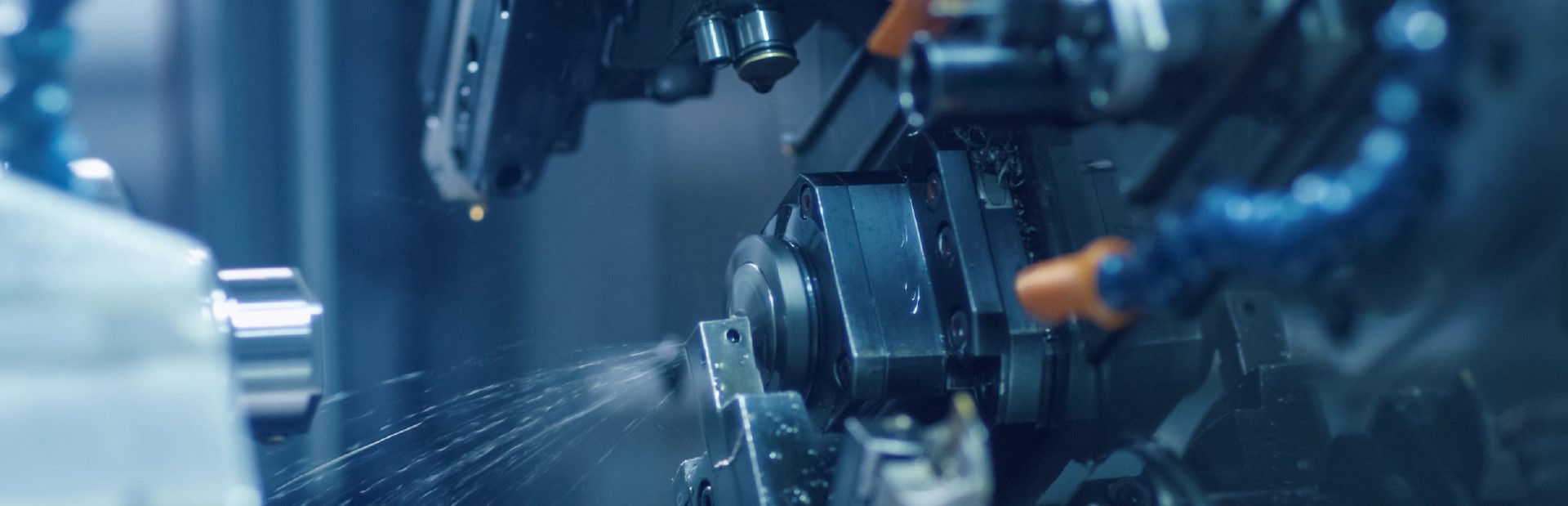
    Leveraging simultaneous 5-axis CNC toolpaths allows us to mill intricate internal ports and ultra-thin wall partitions without tool deflection or damage.

Capabilities

Sensor Housing Technical Specs

Key technical dimensions and machining parameters our teams evaluate when qualifying high-reliability sensor enclosures for automotive monitoring programs.

Contact Us
Manufacturing Parameters Technical Specifications
Max Machining Size 400 × 350 × 300 mm
Dimensional Tolerance Up to ±0.005 mm Precision Grade
Surface Finish Value (Ra) Ra 0.4 – 1.6 µm on sealing faces
Primary Process Materials Aluminum (6061-T6, ADC12), 316 Stainless Steel
Minimum Wall Thickness Down to 0.8 mm on compact housings
Thread Interface Accuracy Metric sizes M2 to M10, ±0.02 mm
Related

Explore More Parts


Why Choose Us

Why Engineers Choose Our Sensor Housings

  • 01

    Micron-Level Repeatability

    Sub-0.02 mm cavity dimensions held consistently on all production batches.

  • 02

    Material Expertise

    Stainless steel and aluminum alloys uniquely selected for thermal stability.

  • 03

    FAI and Traceability

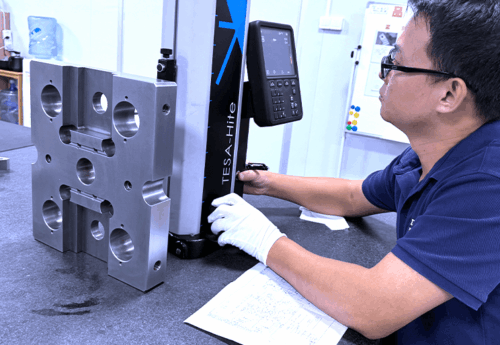
    CMM reports and material certifications delivered on every Auto program.
FAQs

Frequently Asked Questions

Contact Us
What base materials are typically chosen for automotive sensor protection?
We machine structural 6061-T6 aluminum, high-fluid resistance 316 stainless steel, and die-cast ADC12 for optimal environmental protection.
Are your manufacturing operations fully compliant with global IATF standards?
Yes, our facilities maintain IATF 16949 certification, delivering complete PPAP Level 3 documentation packages for verification.
What is your thinnest reliable wall threshold for miniature enclosures?
Utilizing specialized high-speed toolpaths and custom fixtures, we achieve ultra-thin wall sections down to a stable 0.8 mm thickness.
Do you supply dimensional verification records before releasing production lots?
We provide complete First Article Inspection (FAI) reports covering full dimensional layouts, material tracking, and surface roughness readings.
How do your facilities secure part-to-part consistency over long manufacturing campaigns?
We implement rigorous in-process gauging, strict SPC tracking loops, and final automated CMM inspections across every product batch.