Durable Battery Management System Housing

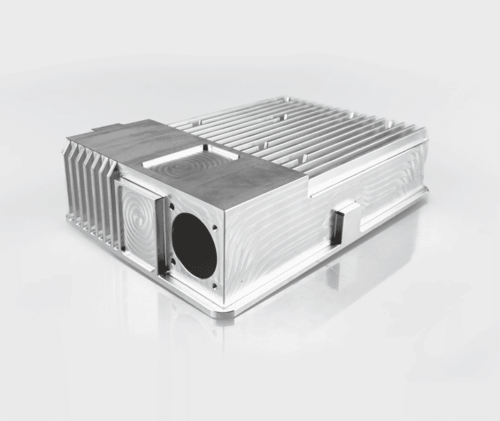
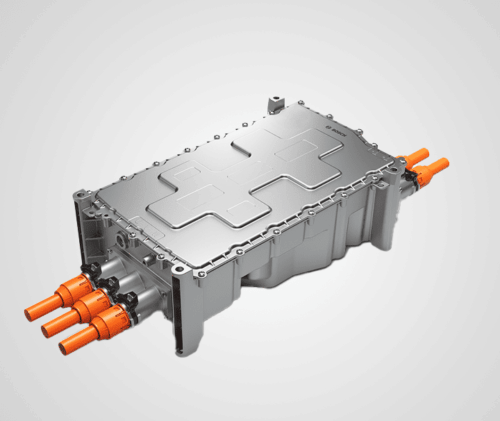
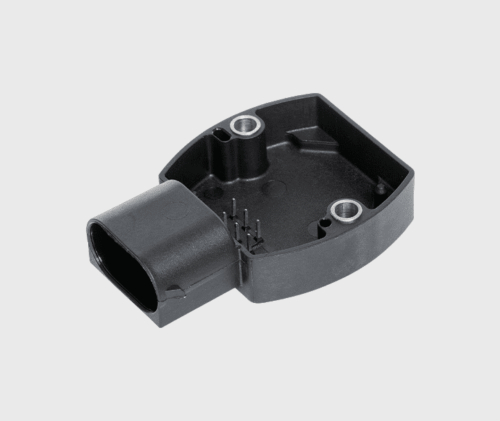
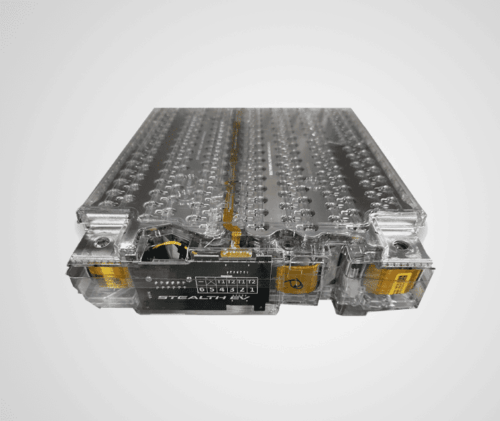
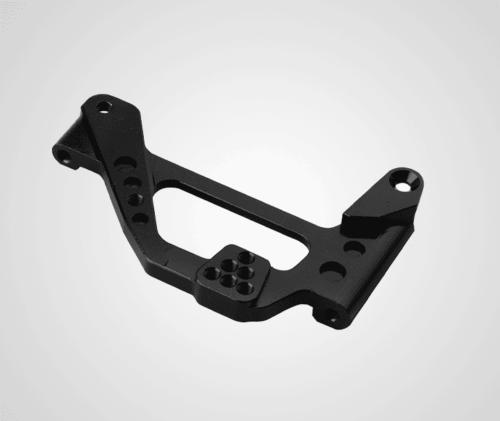
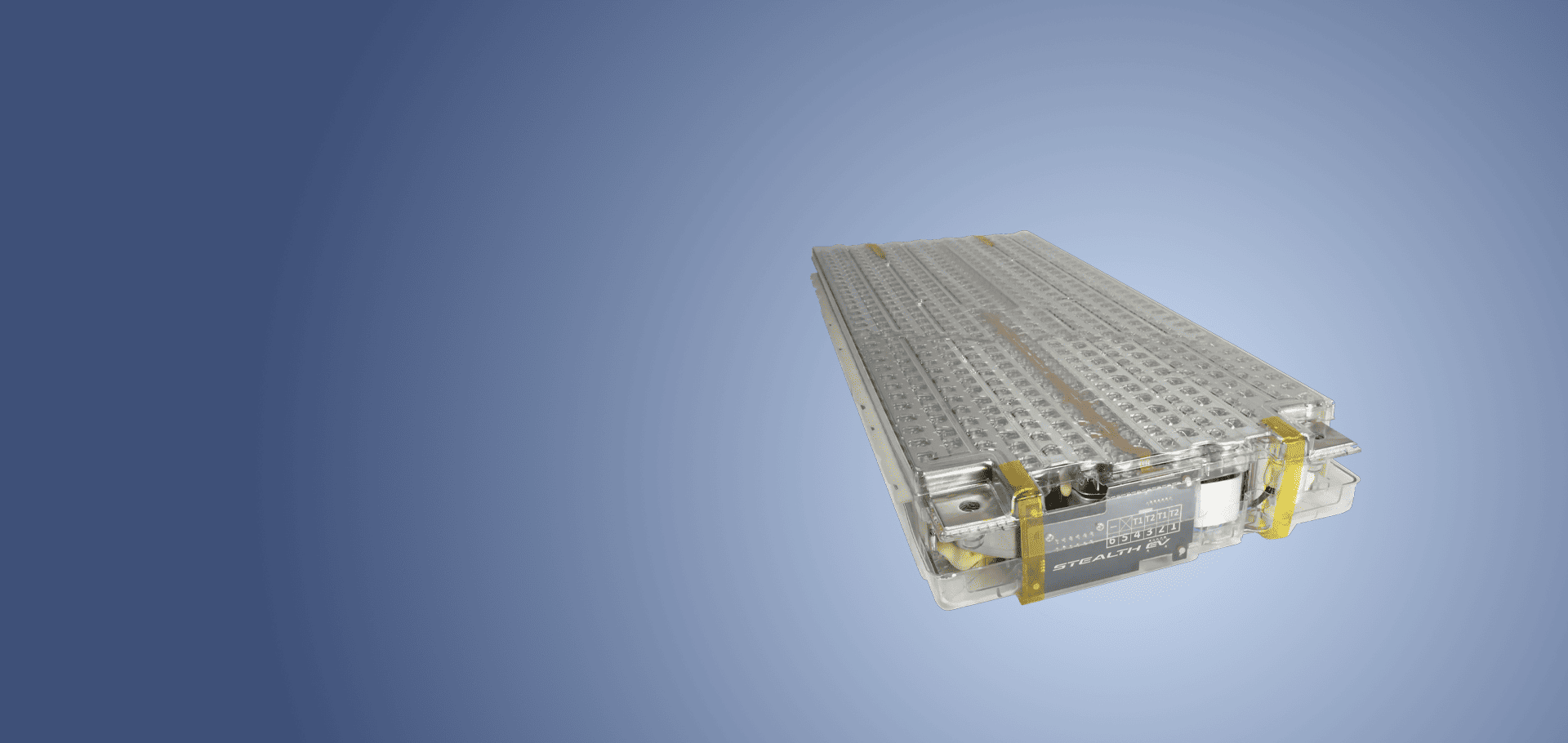
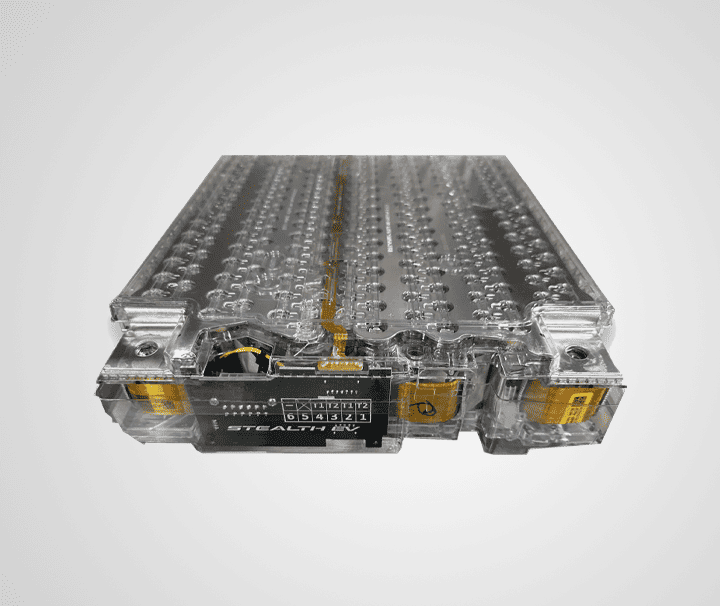
Tight-tolerance battery management system housings made with high-performance material provide structural crash protection for automotive needs.
Contact Us
Overview

Expert Machining Service for BMS Enclosures

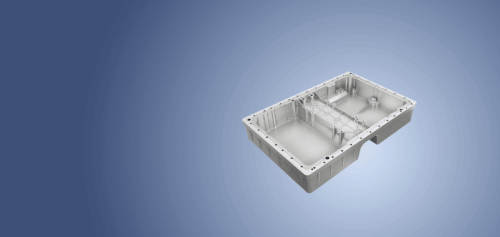
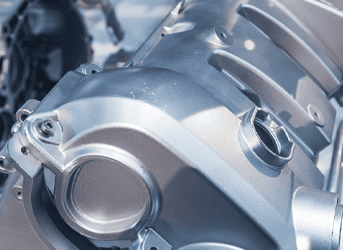
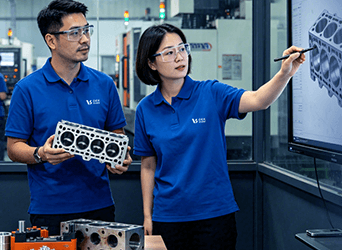
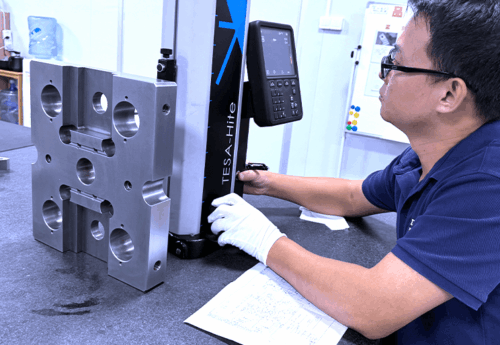
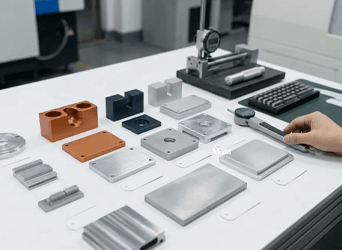
We manufacture high-precision enclosures engineered to shield delicate battery management electronics from thermal spikes and external vibrations. Every unit complies with rigorous IATF 16949 standards, backed by full automated CMM tracking to secure unmatched system reliability.

From initial functional prototypes to large-scale powertrain component supply chains, our production lines maintain strict batch consistency. We leverage comprehensive Design for Manufacturability (DFM) reviews to lower component weight and optimize volume production.

Contact Us
Challenge

Challenges & Solutions For BMS Housings

  • 01

    Thermal Runaway Mitigation

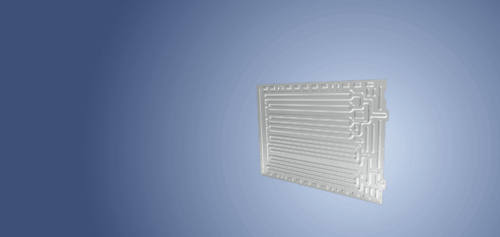
    We integrate specialized, ultra-flat thermal contact plates directly into the housing base, ensuring uniform cooling distribution across sensitive monitoring circuit boards.

  • 02

    High-Vibration Structural Stability

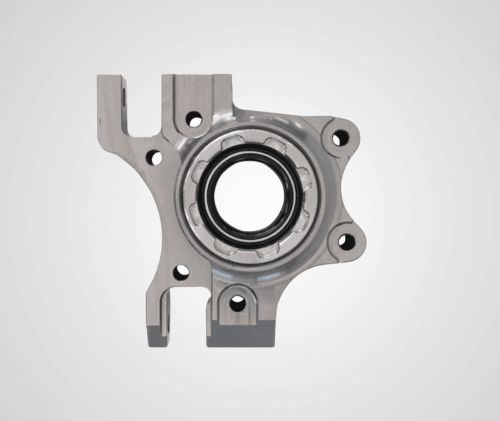
    By machining reinforced mounting points and thick-walled fastening lugs, we eliminate structural resonance and protect internal relays from extreme over-the-road forces.

  • 03

    Tight Seal Integrity

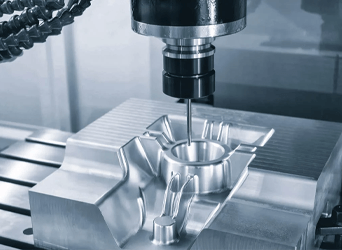
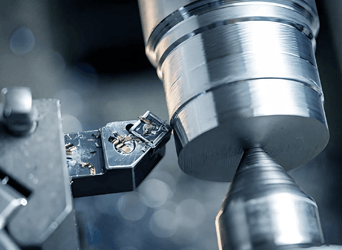
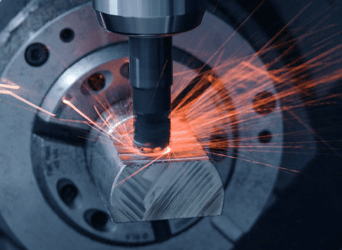
    We utilize high-speed finish face-milling to achieve micro-flat gasket grooves, delivering dependable IP67 fluid rejection to protect high-voltage electronic systems.

  • 04

    Lightweight Energy Efficiency

    Our team machines complex, thin-walled aluminum profiles down to minimum functional thicknesses, trimming total pack weight while preserving crash-impact integrity.

  • 05

    Multi-Pin Port Precision

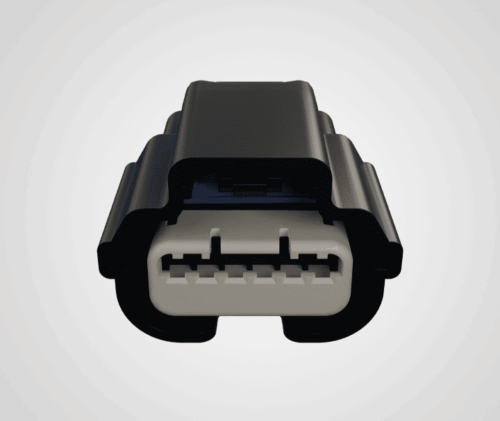
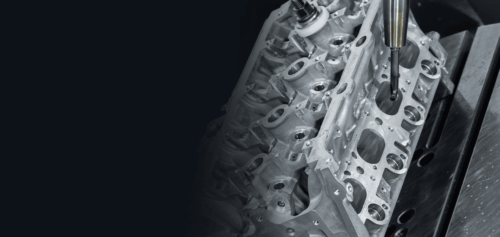
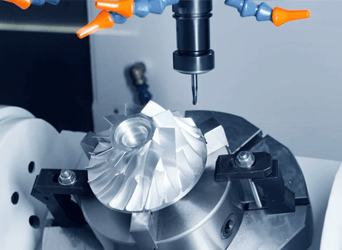
    Through advanced 5-axis machining and single-setup positioning, we maintain exact alignment across dense sensor connector ports to prevent assembly cross-mating errors.

Capabilities

BMS Housing Technical Specs

Technical specifications covering tolerances, materials, and machining capabilities for high-reliability battery management system enclosures.

Contact Us
Manufacturing Parameters Technical Specifications
Machining Capability 3-Axis, 4-Axis & 5-Axis CNC Precision Milling
Dimensional Tolerance ±0.02 mm to ±0.05 mm
Surface Finish (Ra) Up to Ra 0.8 – 1.6 µm
Max Part Dimensions 750 × 600 × 350 mm
Supported Materials Aluminum (6061-T6, 7075), Flame-Retardant Polymers
Quality Validation IATF 16949, PPAP Level 3, FAI, Full QC Traceability
Production Lead Time 7 to 10 Business Days
Related

Explore More Parts


Why Choose Us

Why Engineers Choose Our BMS Housings

  • 01

    Clearance Control

    Internal cavities machined to precision preventing high-voltage busbar contact.

  • 02

    Structural Integrity

    Uniform wall thickness delivers consistent mechanical strength under crash loads.

  • 03

    Process Continuity

    Identical tooling strategy and inspection standards applied across every volume.
FAQs

Frequently Asked Questions

Contact Us
What certifications back your electric vehicle battery component manufacturing lines?
Our facilities run under IATF 16949 and ISO 9001, providing full traceability, PPAP documentation, and IMDS uploads.
Can you machine extra-large structural enclosures for modular battery packs?
Yes, our multi-axis CNC centers support large-part machining configurations, holding tight tolerances across sprawling thin-walled profiles.
Which aluminum grades do you utilize for structural battery management housings?
We primarily machine aerospace-grade aluminum 6061-T6 to achieve an optimal balance of lightweight durability, corrosion resistance, and machinability.
How do your engineering reviews help decrease structural component mass?
Our comprehensive Design for Manufacturability (DFM) analysis highlights opportunities to thin non-critical walls while maintaining necessary component rigidity.
Do you accommodate single-piece prototyping alongside scalable automotive supply tiers?
Yes, we provide flexible production frameworks spanning initial R&D prototypes straight through to high-volume Tier 1 component manufacturing.