High-Fatigue Strength Shaft Components

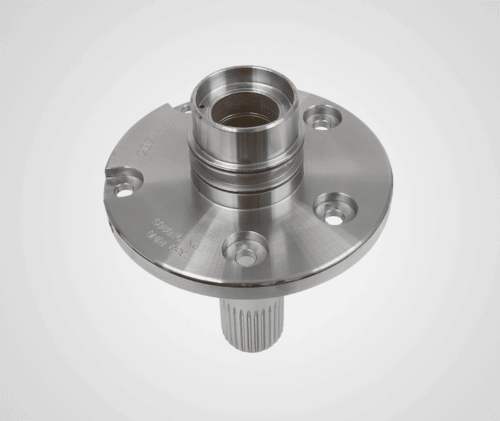
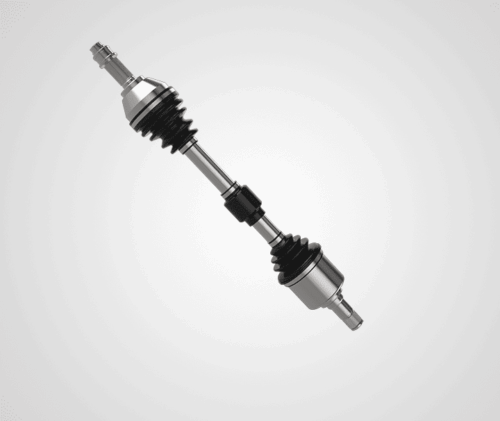
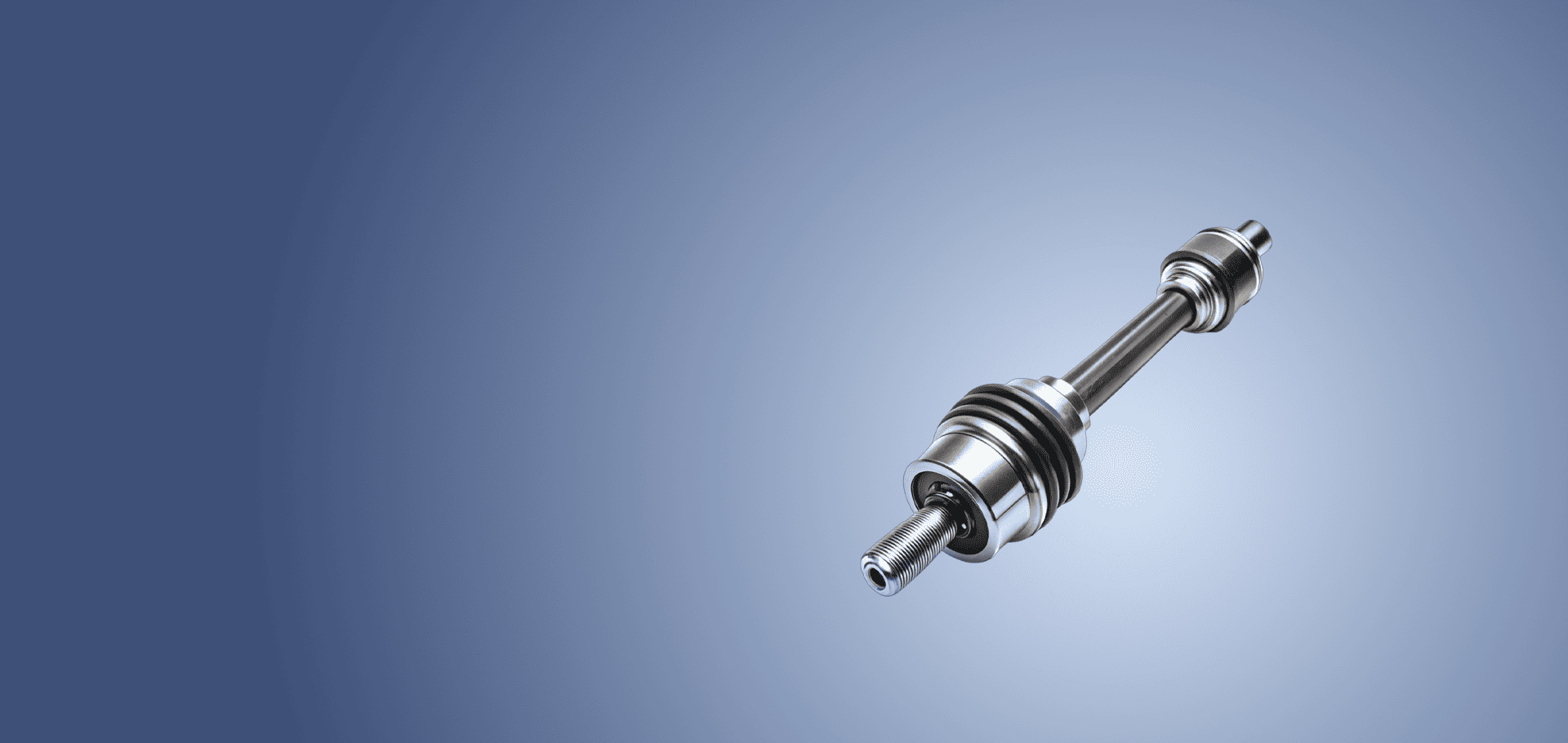
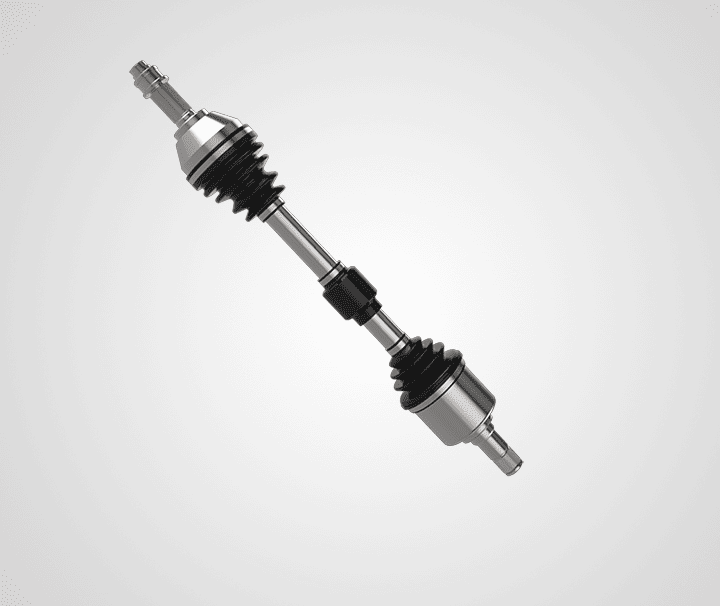
Secure mechanical power transmission assemblies with our rugged forged shafts, featuring micrometric journal concentricity and precise spline profile accuracy.
Contact Us
Overview

Manufacturing High-Load Shaft Solutions

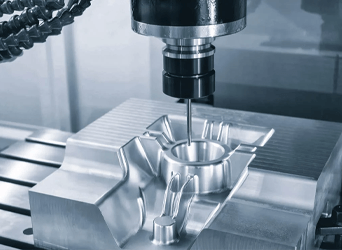
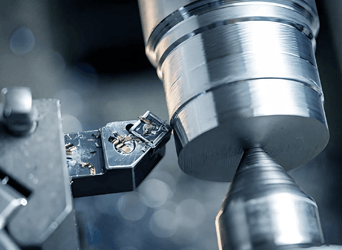
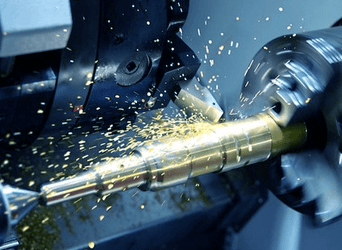
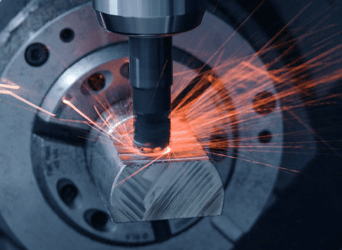
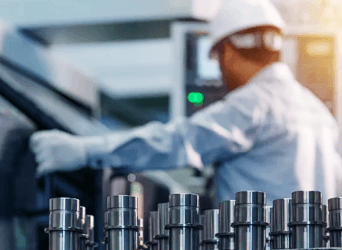
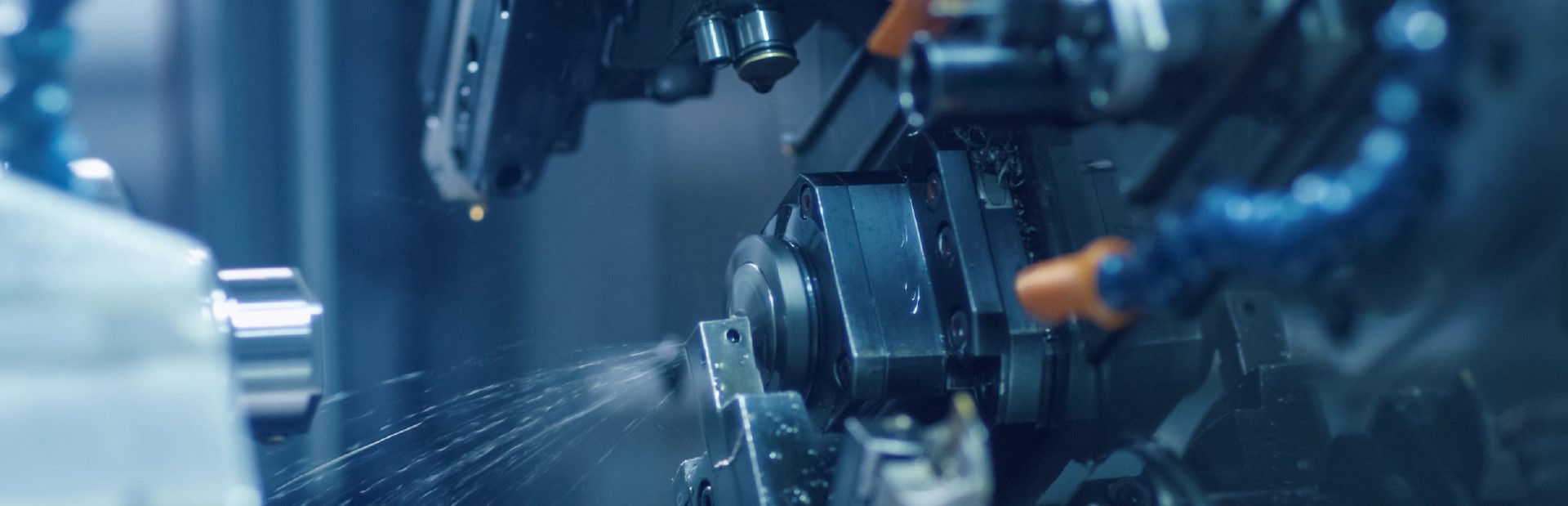
CNC cylindrical grinding mills process hardened steel alloy bars, maintaining precise bearing journal diameter tolerances and AGMA compliance to prevent critical drivetrain vibration or premature bearing failure under heavy continuous loads.

Automated spline rolling lines easily manage high-volume global vehicle programs. We complement this mass-production capacity with comprehensive metallurgy services, providing complete ultrasonic non-destructive testing and induction hardening depth reports.

Contact Us
Challenge

Challenges & Solutions For Shaft Components

  • 01

    Rotational Vibration

    We utilize precise cylindrical grinding on CNC machines, creating micrometric concentricity across all bearing journals to ensure smooth, balanced rotation at high operational speeds.

  • 02

    Spline Tooth Shear

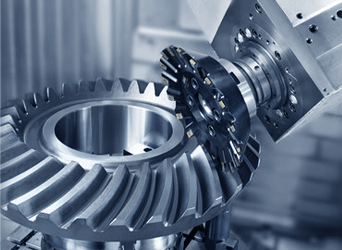
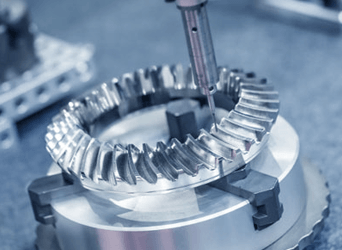
    Spline rolling on indexable cold-forming racks holds tooth profile tolerances within twelve microns, guaranteeing high torsional fatigue strength during sudden directional torque reversals.

  • 03

    Internal Material Fatigue

    Utilizing ultrasonic non-destructive testing on centerless turned bars detects subsurface flaws and inclusions, preventing micro-cracks that cause structural shaft fracturing under load.

  • 04

    Surface Wear Scoring

    Precision induction hardening lines apply localized heat treatment, balancing core toughness with a high-hardness outer case to prevent surface scoring from continuous oil-seal friction.

  • 05

    Geometric Shaft Distortion

    Controlled vertical gas nitriding furnaces eliminate horizontal quenching deformation, preserving straightness across long axial spans without requiring aggressive straightening forces.

Capabilities

Shaft Components Technical Specs

Our production line manufactures high-torque steel power transmission interfaces engineered to precise geometric drivetrain dimensions.

Manufacturing Parameter Technical Specification
Material Grade 4140 / 4340 Alloy Steel / 8620 Case-Hardening Steel
Max Machining Length Up to 1500 mm maximum axial shaft length capacity
Journal Concentricity Within 0.008 mm to eliminate rotational vibration
Spline Lead Error Under 0.012 mm per 100 mm length
Surface Finish Roughness Controlled 0.4 µm (Ra ground finish)
Induction Hardening Depth Case depth profile from 1.5 mm to 4.0 mm
Straightness Tolerance Deviation Strictly within 0.03 mm per meter maximum limit


Why Choose Us

Why Choose Our Shaft Components

  • 01

    Micrometric Concentricity

    Cylindrical grinding centers hold bearing journal runout within eight microns.

  • 02

    Structural Toughness

    High-tensile alloy cores resist sudden torsional shearing, the hardened case prevents wear.

  • 03

    Scalable Production

    Automated spline rolling lines deliver thousands of flawless shafts monthly.
FAQs

Frequently Asked Questions

Contact Us
How do you prevent transmission shaft failure under sudden peak torque?
We utilize induction hardening on high-tensile alloy steels, creating a ductile core with a hard surface layer to absorb sudden rotational shock loads safely.
What tolerances are maintained on the splined drive connections?
Our automated precision spline rolling cells consistently hold tooth profile and pitch diameter indexing tolerances within twelve microns to ensure zero-backlash mechanical mating fitment.
How do you maintain straightness during the heat treatment process?
We use vertical gas nitriding and specialized constraint quenching fixtures, neutralizing thermal stresses to maintain perfect axial straightness without introducing brittle micro-cracking points.
Which material grades are recommended for high-fatigue input shafts?
We machine utilizing premium 4340 aircraft-quality alloy steel, providing exceptional deep- hardening characteristics and superior fatigue limits under continuous cyclic bending stresses.
What post-machining verification steps do your shaft components undergo?
Every power transmission piece undergoes strict magnetic particle inspection, ultrasonic core testing, and automated coordinate measuring machine checks to guarantee flawless dimensional accuracy.