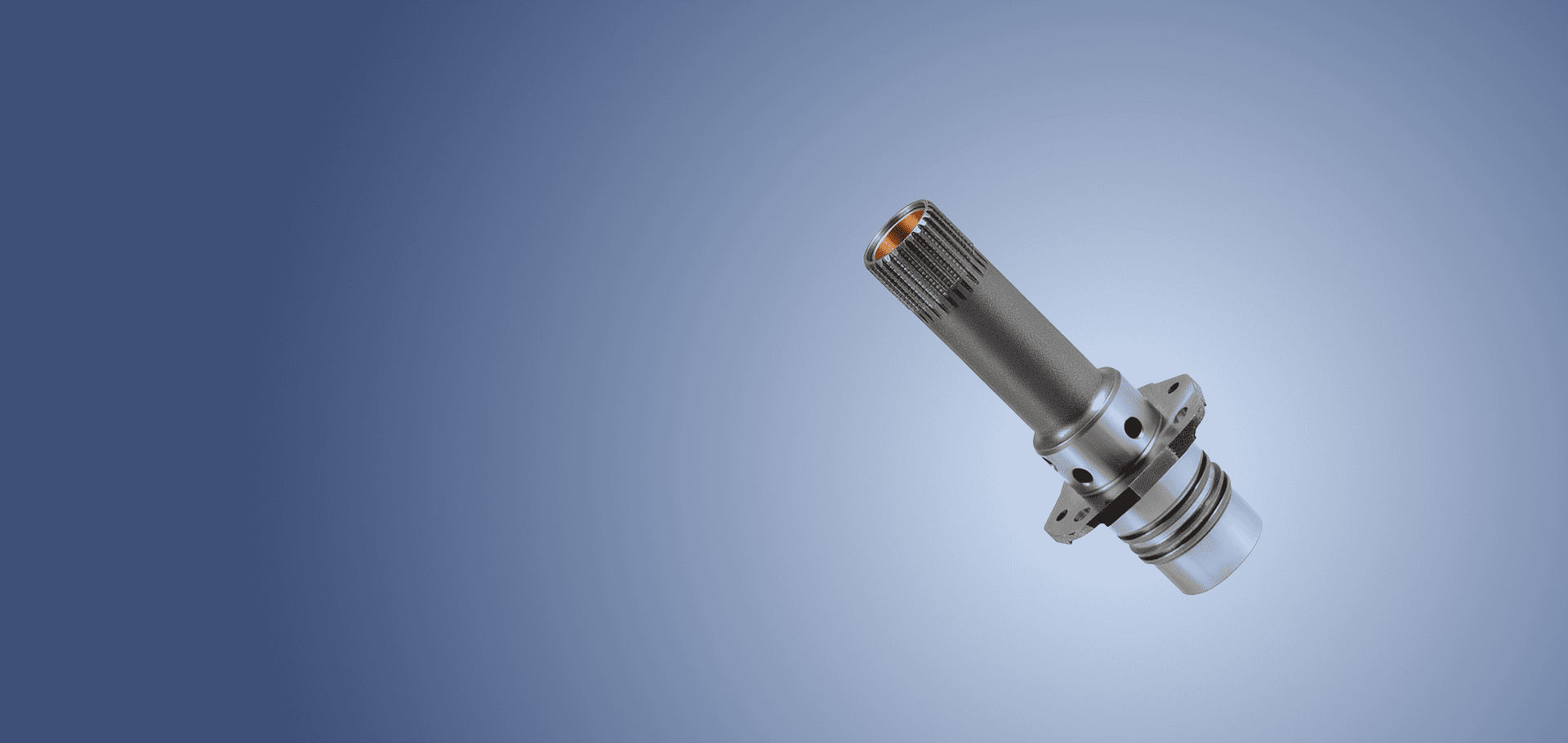
High-Strength
Stator Support

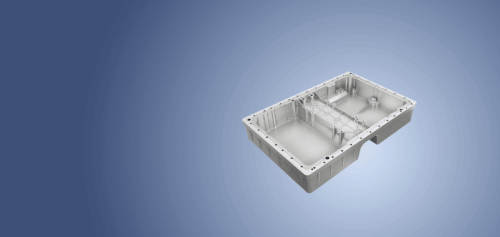
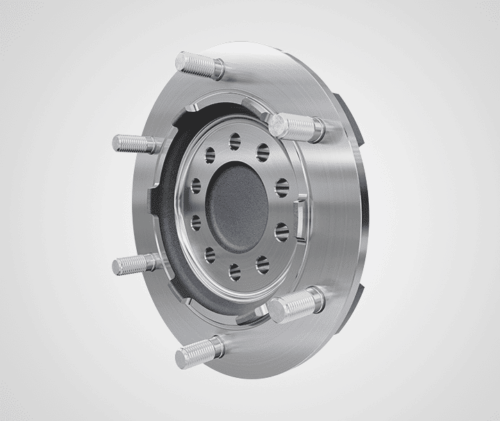
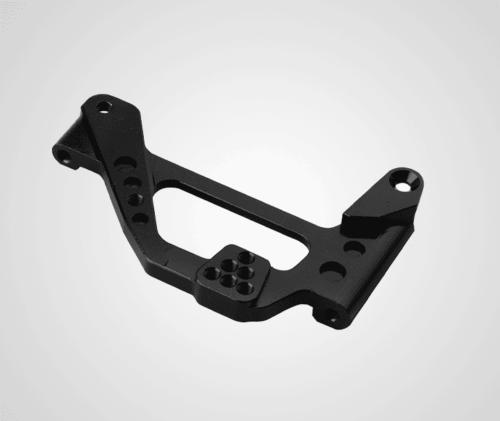
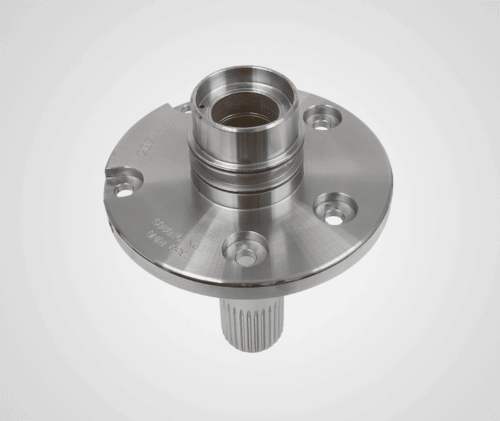
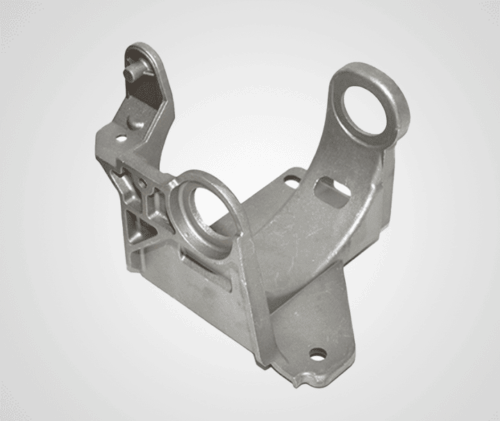
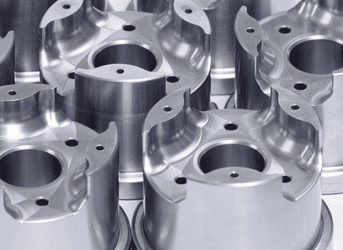
Providing thermal-stabilized stator supports engineered for extreme torsional rigidity, minimizing rotational vibration across high-rpm electric vehicle drivetrain configurations.
Contact Us
Overview

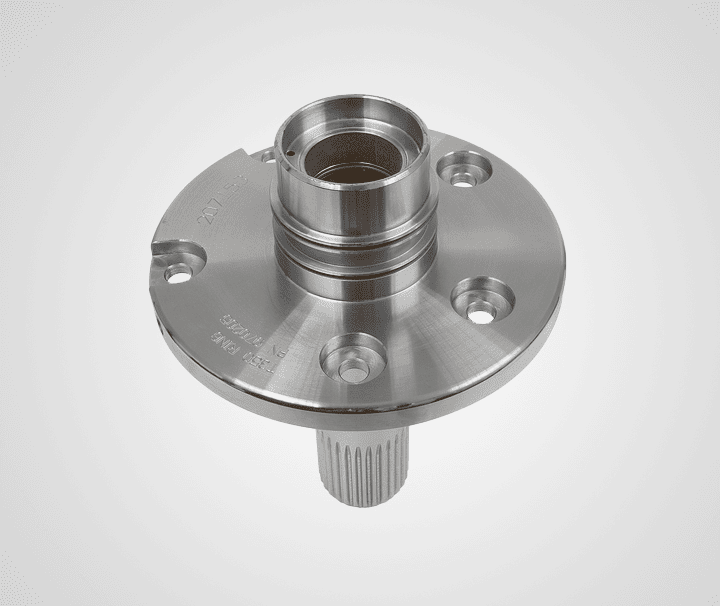
Advanced
Stator Support
Manufacturing

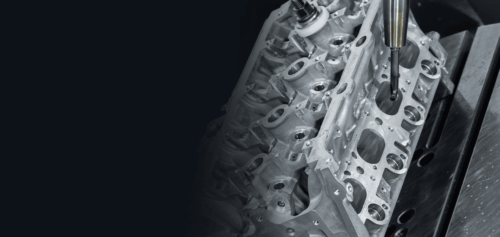
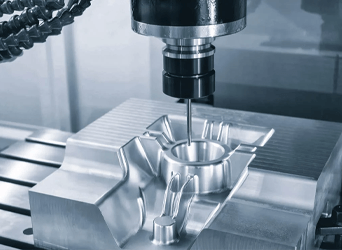
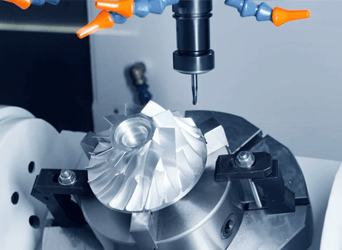
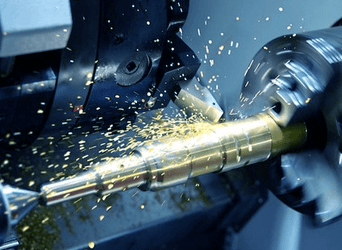
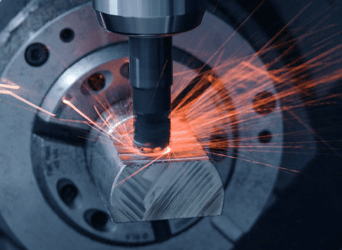
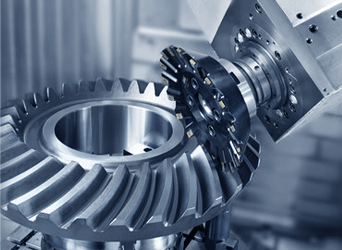
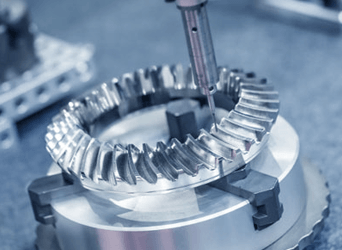
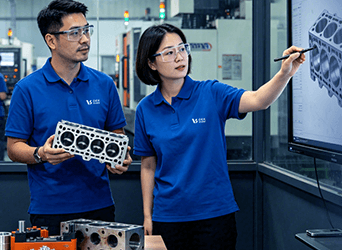
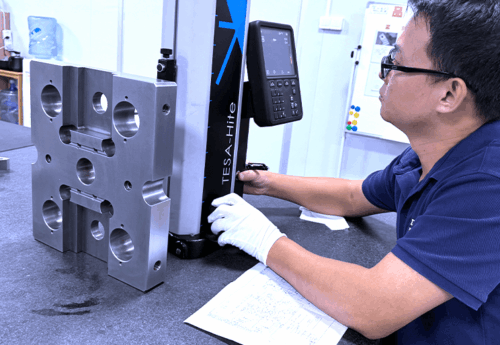
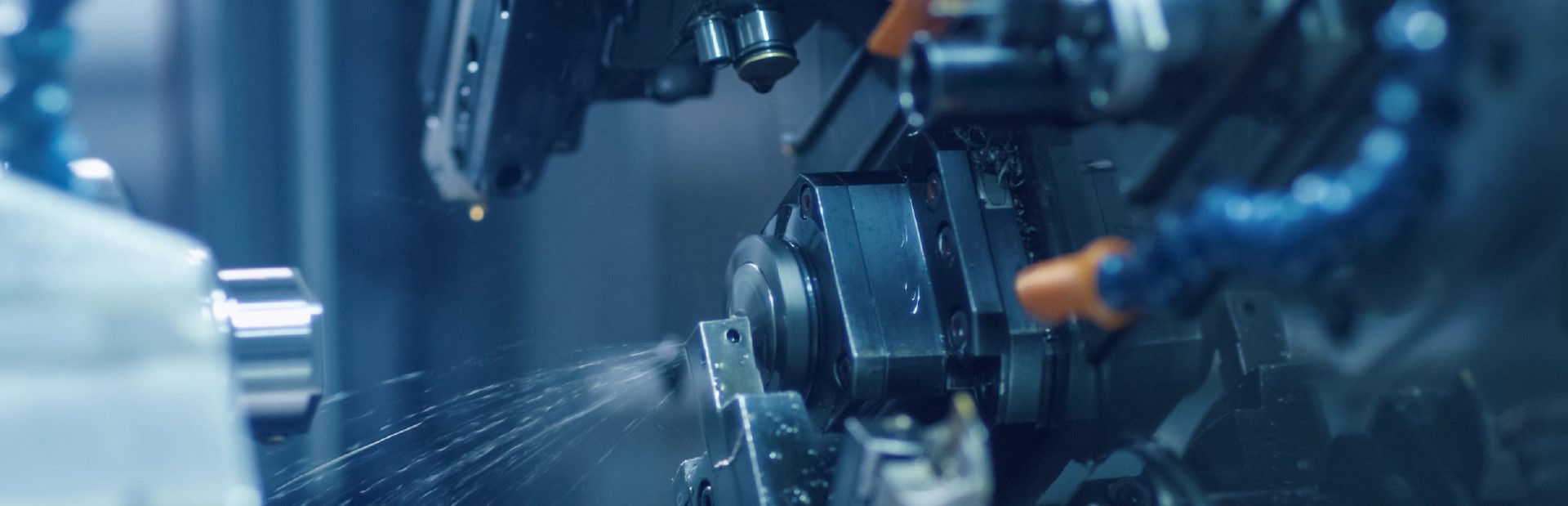
Multi-axis CNC boring tools guarantee absolute coaxiality across all mounting faces, while rigorous coordinate measuring machine inspections verify critical geometric tolerances to eliminate high-frequency operational harmonics during powertrain operation.

Scalable manufacturing cells accommodate high-volume OEM production quotas without sacrificing dimensional precision, backed by inline cleanliness monitoring, custom protective packaging, and direct-to-assembly-line logistical support. Motor mounts for this assembly are covered under custom motor mounts.

Contact Us
Challenge

Challenges & Solutions For Stator Support

  • 01

    Torsional Deflection Resonance

    Strategic structural ribbing locks the support body rigid under peak motor torque, neutralizing high frequency operational harmonics and preventing powertrain component deformation.

  • 02

    Air-Gap Misalignment Faults

    Executing every single critical boring operation within a single multi axis CNC setup seals concentricity under ten microns, eliminating cumulative coaxiality errors during assembly.

  • 03

    Thermal Expansion Loosening

    Low expansion thermal stabilized aluminum variants ensure dimensional stability across automotive temperature cycles, maintaining the critical press fit pressure profiles permanently.

  • 04

    Subsurface Structural Voids

    Vacuum-assisted high-pressure die casting processes accompanied by real time X-ray inspections guarantee void free component integrity under continuous mechanical stress.

  • 05

    Galvanic Degradation Risks

    Specialized controlled chemical conversion coatings establish a permanent dielectric barrier at all interface boundaries, preventing corrosion from dissimilar metal contact with the housing.

Capabilities

Stator Support Technical Specs

Our specialized manufacturing facility delivers the rigorous micro-level tolerances and multi-axis machining envelopes required for next-generation electric motor housings.

Contact Us
Manufacturing Parameters Technical Specifications
5-Axis Machining Envelope Up to 850 × 500 mm single-setup machining
3-Axis Milling Capacity Up to 1200 × 1000 mm rough milling capacity
Concentricity Coaxiality Limit Maintained within 0.008 mm between internal diameters
Critical Boring Precision Bearing seat accuracy within 0.004 mm
Interface Surface Flatness Flatness controlled within 0.015 mm
Machined Surface Roughness Surface finish at Ra 0.4 µm
Helium Leak Testing 100% inline tested at 350 kPa
Related

Explore More Parts


Why Choose Us

Why Engineers Choose Our Stator Support

  • 01

    High Precision

    Advanced geometric controls eliminate rotor misalignment under high-rpm operation.

  • 02

    Optimized Coolant

    Rigorous helium testing guarantees leak-free internal fluid jacket containment.

  • 03

    Rapid Scale

    Multi-axis machining accelerates production turnarounds for prototyping volumes.
FAQs

Frequently Asked Questions

Contact Us
What machining setups prevent distortion in thin-walled stator housings?
Single-setup five-axis CNC machining optimizes complex tooling paths to eliminate part repositioning and maintain structural casting integrity during precision material removal processes.
How is internal coolant jacket porosity detected during production?
Every manufactured housing undergoes one hundred percent automated inline helium mass spectrometer testing at 350 kPa to catch critical micro-porosity fluid leaks.
What geometric tolerances ensure high-rpm EV rotor alignment?
Our facility holds critical internal diameter coaxiality within 0.008 mm to maintain absolute concentricity and prevent severe high-speed electric motor rotational vibration.
Which bearing seat tolerances prevent high-torque operational slippage?
Primary structural housing bearing journals are precision-bored strictly under a 0.004 mm tolerance limit to secure tight, permanent mechanical interference component fits.
What surface finish optimizes thermal transfer to the cooling jacket?
Mating assembly interfaces achieve an ultra-smooth Ra 0.4 microns finish, eliminating micro-gaps to maximize continuous heat dissipation across critical powertrain housing contacts.