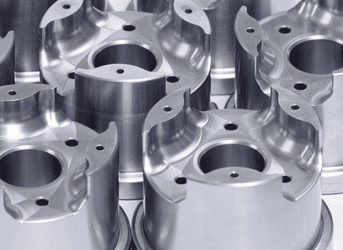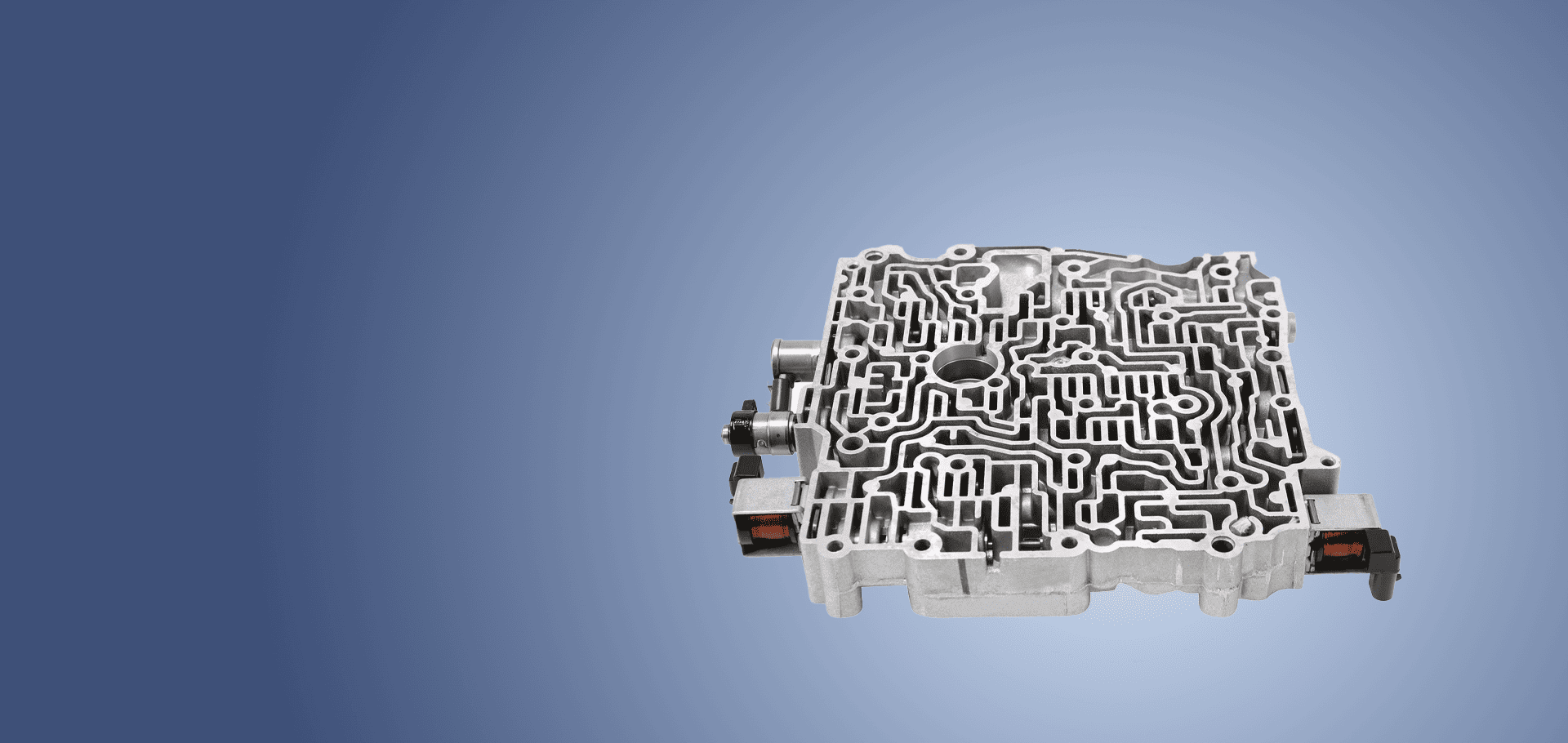
DekAutomotive offers transmission valve body machining to your drawing for OEM and Tier programs. Valve bodies and channel plates for automatic transmissions, DCTs and EV e-axles.
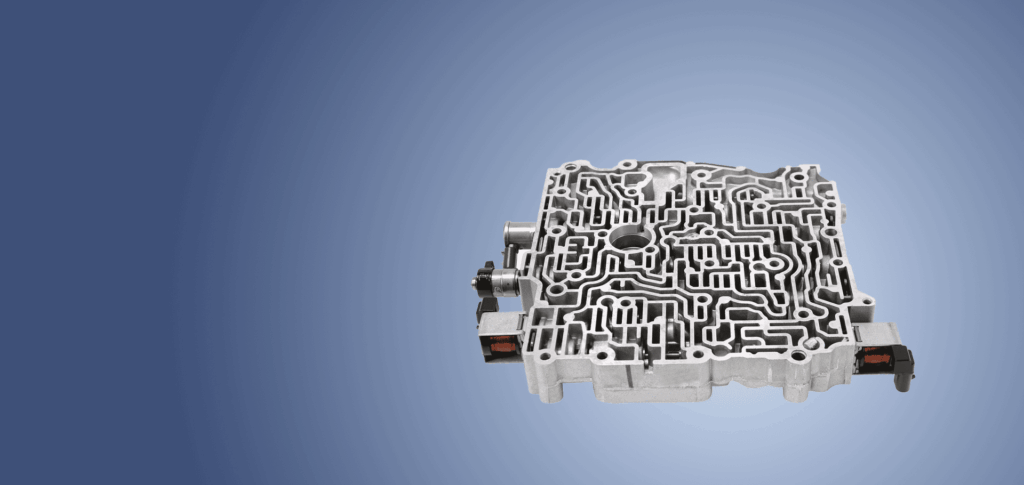
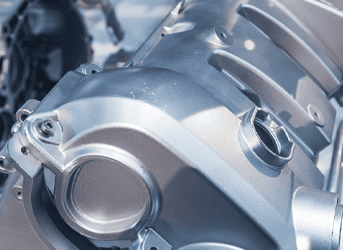
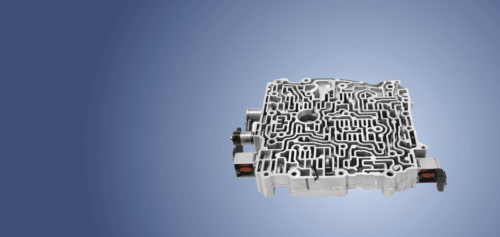
The valve body is the hydraulic control unit of an automatic transmission, DCT or wet-clutch e-axle, routing pressurized fluid through spool valves and solenoids. We machine valve bodies and channel plates to OEM and Tier drawings, with our other transmission and gearbox components.
Programs run from engineering samples and validation lots to repeat production; spool bores, sealing faces and channel intersections are inspected for each batch, with inspection reports on request. See our order process.
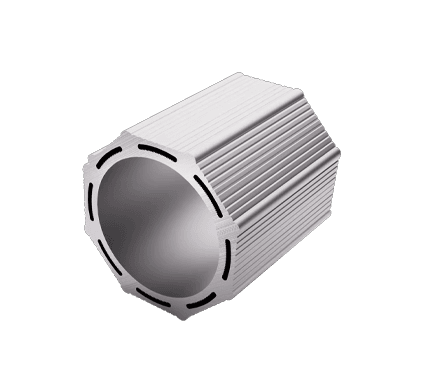
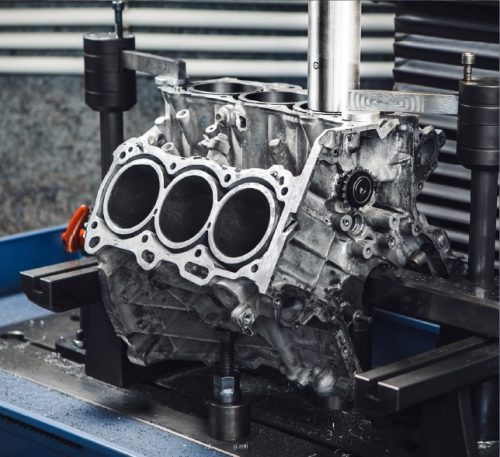
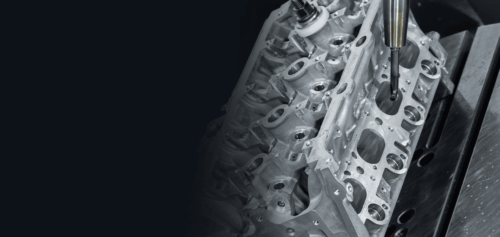
Oil passages cross inside a compact block, and every intersection leaves an internal edge that is hard to reach and easy to leave burred. We drill in an order that lets each intersection be reached and checked, and long passages follow deep hole drilling practice.
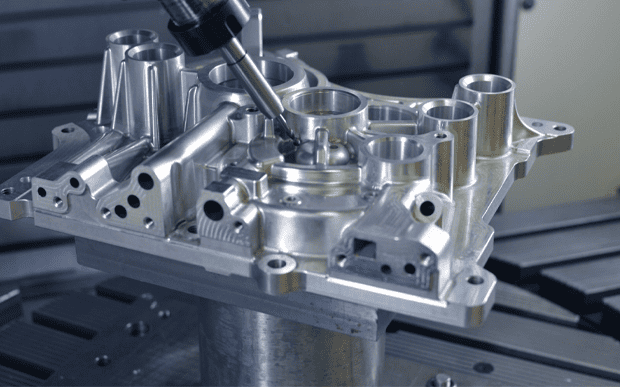
Spools slide in bores with a small radial clearance, so diameter, roundness, straightness and surface finish decide leakage and whether a spool sticks. We finish bore or ream them in one setup and agree the bore requirements per drawing at the DFM review.
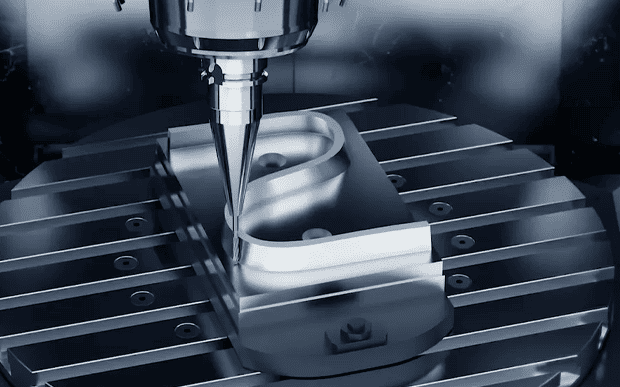
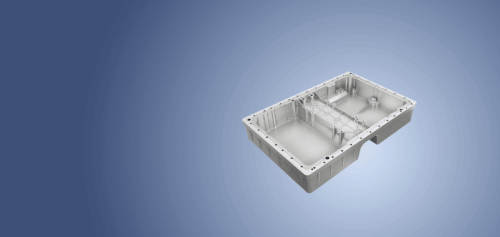
The channel face seals against the separator plate, which carries the check balls and orifices between the upper and lower halves; a face that is not flat leaks between circuits. We face mill it with a fixturing plan that limits distortion and measure its flatness.
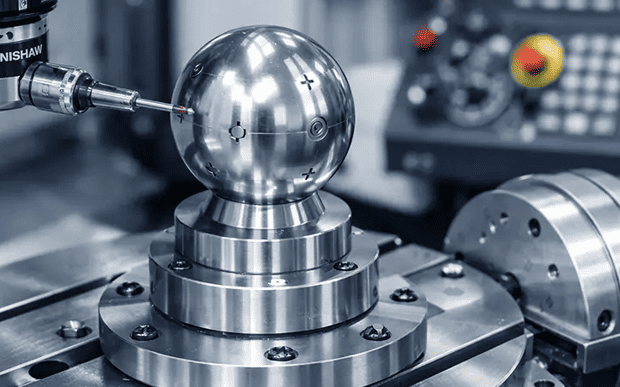
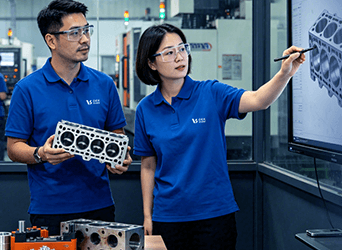
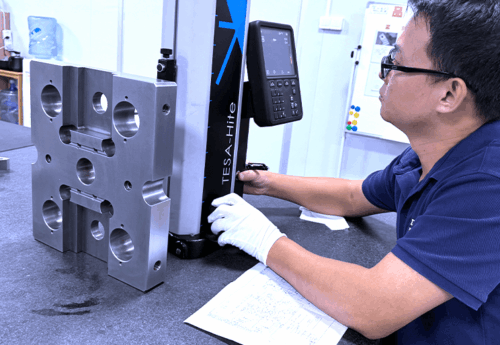
Clamping force can distort a thin-walled casting, and the bores move once it is released. We machine bores and faces from one datum structure with minimal re-clamping, then check their position and parallelism on a CMM.
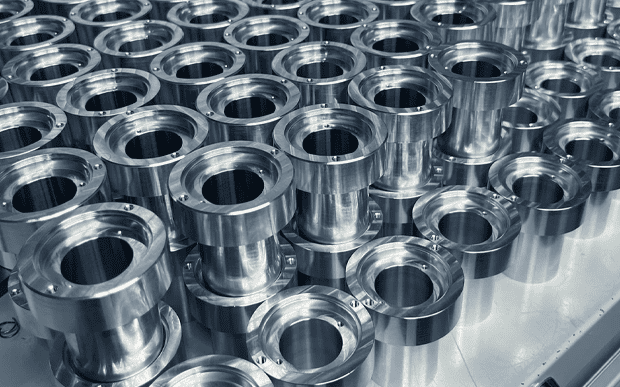
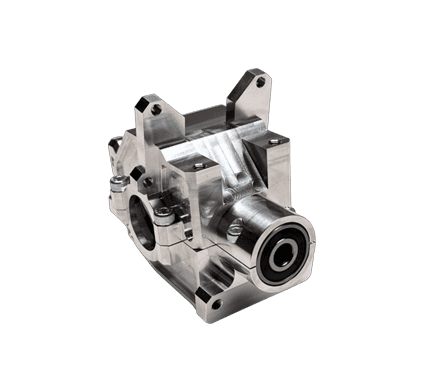
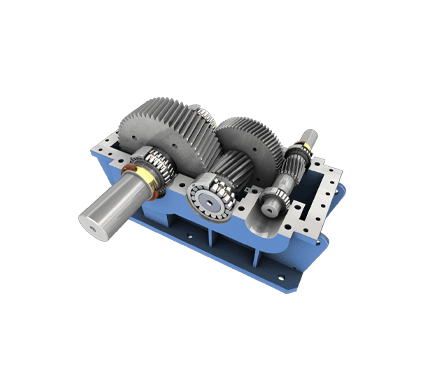
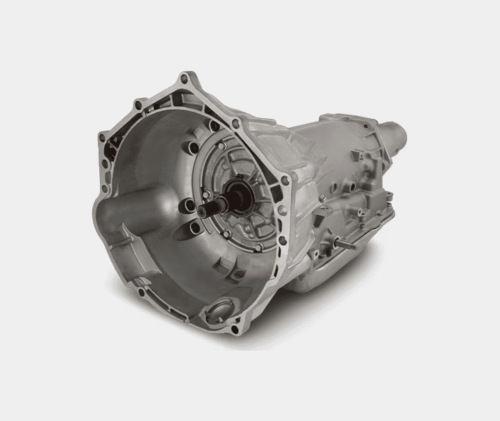
Valve bodies are carried by transmission housings in automatic transmissions, and we also machine gearbox housings for reducers and manual gearboxes. We machine new parts to your specification; we do not design transmissions.
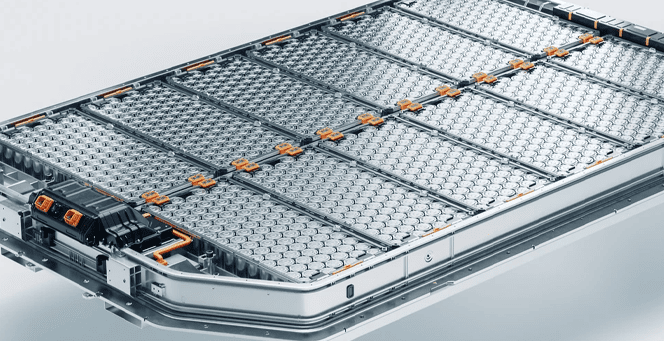
The most common valve body alloy (ASTM B85). We machine cast blanks to your drawing and its porosity criteria, and report porosity findings.
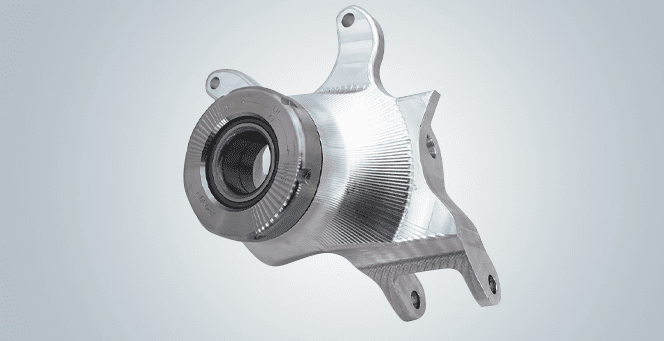
Japanese die-casting alloy close to A383, common on drawings from Asian programs. Cast blanks are machined to drawing and to its porosity criteria.
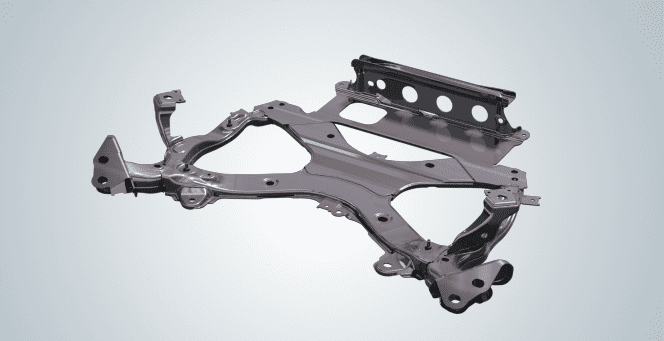
Other AlSi die-casting alloys are machined when the drawing specifies them, with the same porosity criteria and findings reporting as A380 and ADC12.
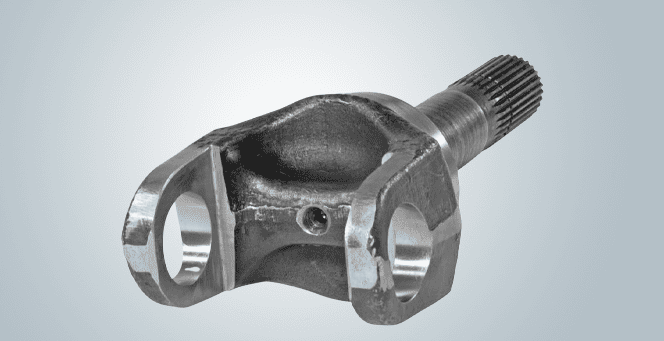
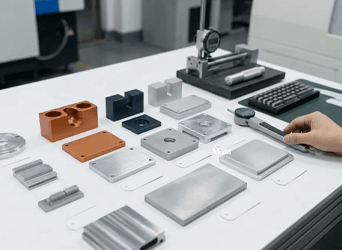
Billet engineering samples machined from 6061 to test the hydraulic circuit before the casting tool exists.
The table sums up our machining and inspection scope on valve bodies; requirements come from your drawing and your cleanliness specification.
| Manufacturing Parameter | Technical Specification |
|---|---|
| Part types | Valve bodies, channel plates, hydraulic control blocks |
| Materials | A380 (ASTM B85), ADC12, AlSi alloys, wrought 6061 |
| Blanks | Die-cast blanks; 6061 billet for engineering samples |
| Critical features | Spool bores, sealing face, channel intersections |
| GD&T | Per your drawing, ISO 1101 or ASME Y14.5 |
| Inspection | CMM; separator plate face flatness measurement |
| Documentation | FAI, inspection reports, MTRs on request |
| Quantities | Engineering samples to repeat production |
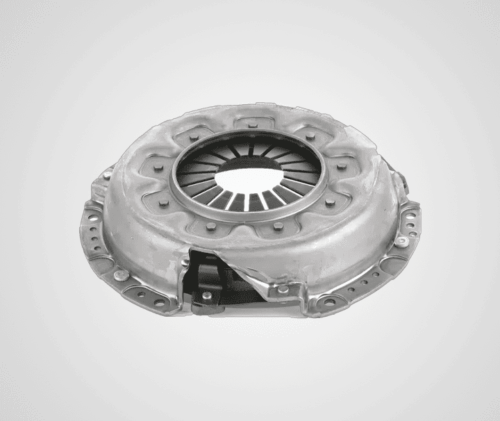
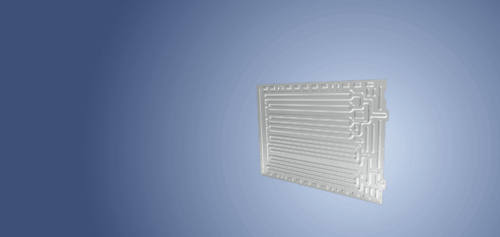
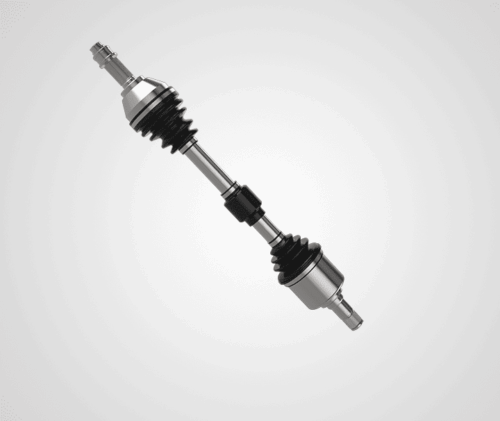

Intersections are opened in an order that lets each one be reached and checked.

Bore position and face flatness are checked against your drawing datums.

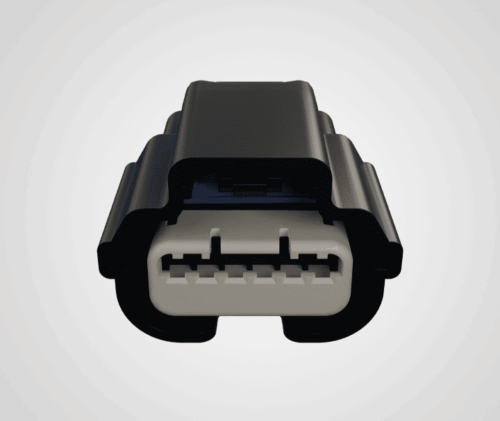
Billet samples first, then a frozen process route on every repeat batch.
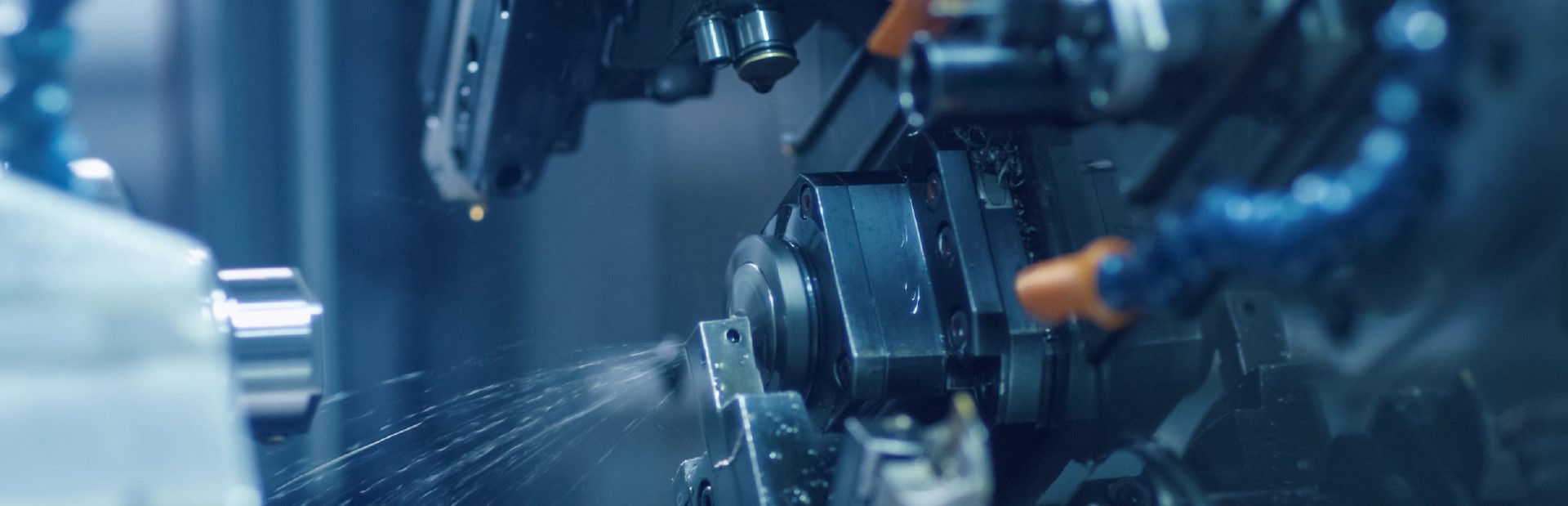
We integrate advanced machining, specialized materials, and surface finishing to deliver mission-critical parts that meet every rigorous automotive standard.
Fill out the form below and our team will get back to you promptly with a personalized quote tailored to your needs.